
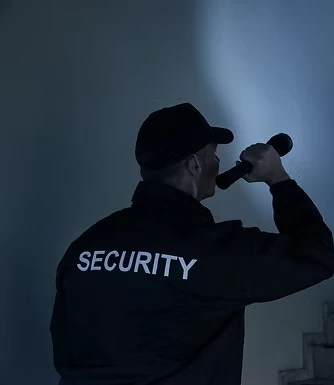
In an era of rapidly evolving retail environments, ensuring the safety of both customers and assets has never been more critical. Retail spaces are increasingly becoming complex, high-traffic areas that face a variety of security challenges, ranging from shoplifting and internal theft to cyber threats and emergency situations. Retail security services play a pivotal role in protecting these environments by combining human vigilance, advanced technology, and strategic planning. Companies like Front Line Protections LLC specialize in delivering customized security solutions tailored to the unique needs of each retail business, ensuring a safe and secure shopping experience for all stakeholders.
The future of retail security services lies in the ability to integrate advanced technology with proactive management strategies. Retailers are no longer relying solely on traditional security personnel; instead, they are embracing a holistic approach that includes surveillance systems, access control, and data-driven risk management. By leveraging these tools, security providers can anticipate potential threats, respond swiftly to incidents, and maintain a safe environment for both staff and customers.
Emerging Security Technologies and Tools
One of the most significant trends shaping the future of retail security services is the adoption of emerging technologies. Modern retail security is increasingly driven by intelligent systems that monitor activity in real time, detect anomalies, and alert security teams to potential threats. Advanced surveillance cameras equipped with facial recognition, motion detection, and behavior analytics enable security personnel to identify suspicious activity before it escalates.
In addition to video monitoring, mobile security applications, cloud-based management systems, and integrated alarm systems are enhancing the efficiency of retail security services. These technologies allow retailers to centralize security management, track incidents, and coordinate responses across multiple locations seamlessly. By investing in cutting-edge tools, retail security providers can maintain high levels of vigilance while minimizing response times and operational costs.
Another key innovation in modern retail security is the use of wearable technology and real-time communication devices for security staff. These tools enable personnel to remain connected, report incidents instantly, and coordinate responses effectively. In combination with automated monitoring systems, these technologies create a layered approach to security that is more reliable and proactive than ever before.
Increasing Focus on Risk Management
As the retail landscape becomes more dynamic, the role of retail security services is expanding to include comprehensive risk management strategies. Security providers are now working closely with retailers to identify potential vulnerabilities, assess threats, and develop preventive measures that reduce the likelihood of incidents. This proactive approach ensures that businesses are prepared for a wide range of security challenges, from minor theft to large-scale emergencies.
Risk management in retail security involves analyzing data from previous incidents, identifying patterns of criminal behavior, and implementing measures to mitigate potential threats. For example, access control systems can limit entry to sensitive areas, while monitoring customer flow can help prevent overcrowding and reduce the risk of accidents. By incorporating risk management into daily operations, retail security services provide businesses with greater resilience and operational stability.
Moreover, comprehensive risk assessments enable security providers to create tailored security protocols for individual retail locations. Each store has unique vulnerabilities based on layout, foot traffic, and the nature of merchandise. By customizing strategies for each location, retail security services can ensure a higher level of protection and minimize potential losses.
Adapting to Evolving Retail Threats
Retail environments face an ever-changing array of threats that require security services to adapt continuously. Shoplifting and employee theft remain persistent challenges, but modern retail security must also address more complex issues such as cybercrime, fraud, and even acts of violence. The ability to respond quickly and efficiently to evolving threats is a defining characteristic of leading retail security services.
Training and development of security personnel are critical components of adapting to these challenges. Security teams must stay informed about emerging criminal tactics, legal regulations, and best practices in emergency response. By investing in ongoing education and scenario-based training, retail security providers ensure that their personnel can handle both everyday incidents and unexpected crises with confidence and professionalism.
In addition to human factors, retail security services must also embrace flexibility in their technological infrastructure. Security systems need to evolve alongside retail operations, adapting to new store layouts, product offerings, and customer engagement strategies. This adaptability allows retailers to maintain a secure environment without disrupting the shopping experience or compromising operational efficiency.
Integration of AI and Smart Surveillance in Retail
Artificial intelligence (AI) and smart surveillance are transforming the way retail security services operate. AI-powered systems can analyze vast amounts of data in real time, identifying unusual behavior, potential threats, and security breaches more accurately than traditional monitoring methods. These systems are capable of learning from past incidents, improving their detection capabilities over time, and providing actionable insights to security teams.
Smart surveillance solutions also offer predictive capabilities, allowing security personnel to anticipate potential problems before they occur. For instance, AI can identify patterns such as repeated suspicious behavior by a particular individual or increased activity in specific store areas, enabling security teams to take preventative measures. This predictive approach enhances the effectiveness of retail security services, reducing the likelihood of losses and ensuring a safer environment for both employees and customers.
Integration of AI and smart surveillance does not replace human security personnel but rather complements their expertise. By automating routine monitoring tasks and providing actionable intelligence, technology allows security teams to focus on critical decision-making and rapid response, resulting in more effective and efficient protection.
Conclusion
The future of retail security services is being shaped by technology, strategy, and a proactive approach to risk management. As retail environments continue to grow in complexity and face evolving threats, security providers must adapt by embracing innovative tools, comprehensive risk assessments, and skilled personnel. By integrating AI, smart surveillance, and data-driven management with human expertise, retail security services can offer reliable protection that safeguards both businesses and customers.
In a world where safety and security are paramount, investing in modern retail security solutions is no longer optional. Companies that prioritize proactive security strategies, advanced technology, and ongoing personnel training are better equipped to face challenges head-on. With these advancements, retail security services will continue to evolve, ensuring that retailers can operate confidently while providing a safe and secure shopping experience for all.