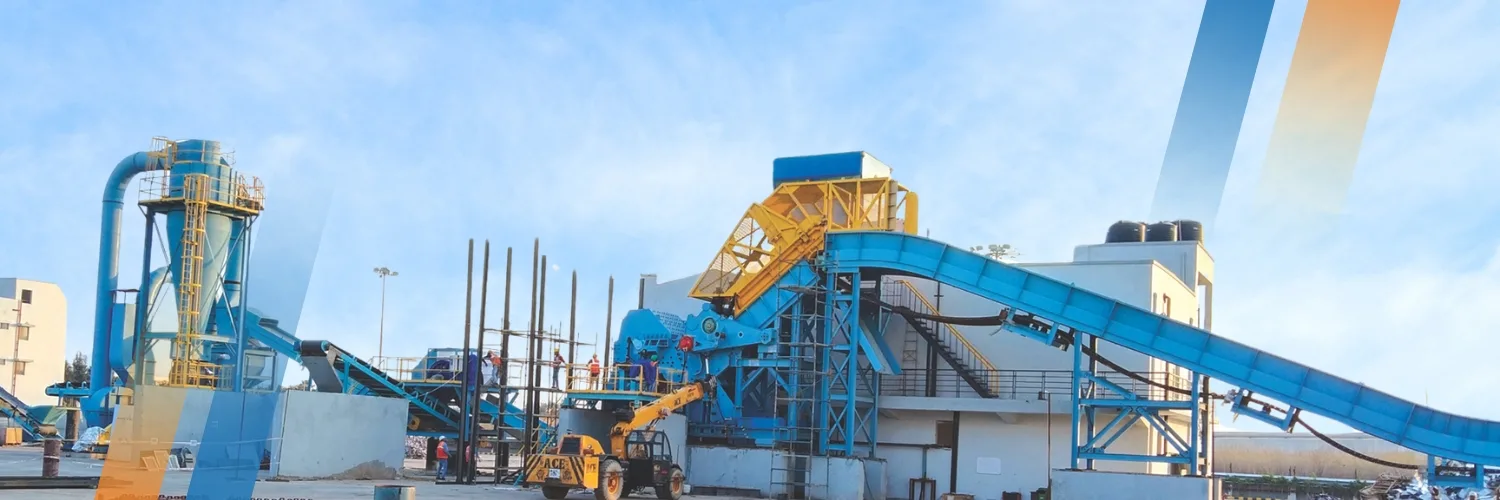
As industries continue to expand across the globe, the demand for raw materials has reached unprecedented levels. This rapid industrial growth has also led to a significant increase in metal waste generated from manufacturing plants, construction sites, automotive industries, shipyards, and demolition projects. Instead of allowing valuable metals to end up in landfills, modern industries are embracing metal recycling as a sustainable solution. At the heart of this transformation are advanced scrap recycling machines, which have revolutionized the way metal waste is processed, sorted, and reused.
Metal recycling not only conserves natural resources but also reduces energy consumption, minimizes greenhouse gas emissions, and supports the global movement toward a circular economy. Today, innovative recycling equipment such as hydraulic balers, scrap shredders, shearing machines, and metal briquetting systems are making recycling operations faster, safer, and more efficient than ever before.
Why Metal Recycling Matters More Than Ever
Metal is one of the few materials that can be recycled repeatedly without losing its original properties. Steel, aluminum, copper, brass, and other metals retain their quality after recycling, making them ideal materials for sustainable manufacturing.
The benefits of metal recycling include:
- Conservation of natural resources
- Lower energy consumption
- Reduced carbon emissions
- Less landfill waste
- Lower manufacturing costs
- Increased industrial efficiency
- Sustainable production practices
For example, recycling aluminum requires up to 95% less energy than producing new aluminum from raw ore. Similar energy savings can be achieved when recycling steel and copper, making recycling an environmentally responsible and economically beneficial practice.
The Evolution of Scrap Recycling Machines
Traditional metal recycling involved significant manual labor, lower productivity, and inconsistent material quality. However, technological advancements have transformed recycling facilities into highly automated operations.
Modern scrap recycling machines now feature:
- Intelligent automation
- Hydraulic power systems
- Heavy-duty cutting technology
- Smart monitoring systems
- High-capacity material handling
- Energy-efficient operations
These innovations enable recycling companies to process large volumes of scrap metal with minimal downtime while maintaining consistent quality.
Hydraulic Balers: Compressing Scrap for Efficient Handling
Hydraulic balers play a crucial role in modern recycling facilities. These machines compress loose metal scrap into dense, compact bales that are easier to transport, store, and process.
Hydraulic balers are commonly used for:
- Steel scrap
- Aluminum scrap
- Copper wires
- Iron sheets
- Automobile body parts
- Industrial metal waste
The advantages of hydraulic balers include:
- Reduced transportation costs
- Better storage efficiency
- Improved workplace safety
- Faster handling
- Higher scrap value
Compact bales also improve logistics by maximizing truck and container capacity.
Scrap Shredders: Increasing Recycling Efficiency
One of the most significant innovations in the recycling industry is the metal scrap shredder. These powerful machines break down bulky metal waste into smaller, uniform pieces suitable for further processing.
Scrap shredders can process:
- Cars
- Steel structures
- Metal drums
- Household appliances
- Industrial machinery
- Construction waste
The benefits of shredding include:
- Faster separation of metals
- Improved furnace efficiency
- Higher recycling rates
- Lower transportation costs
- Better material recovery
Advanced shredders are designed to operate continuously while handling extremely tough materials with minimal maintenance.
Hydraulic Shearing Machines: Precision Cutting for Heavy Scrap
Hydraulic shearing machines are essential for cutting oversized metal into manageable pieces before melting or shredding. They are widely used in steel plants, scrap yards, and recycling centers.
These machines can cut:
- Steel beams
- Pipes
- Structural sections
- Railway tracks
- Heavy industrial scrap
- Metal plates
Modern shearing machines offer:
- High cutting force
- Faster cycle times
- Lower operating costs
- Reduced labor requirements
- Enhanced operator safety
Their precision improves downstream recycling efficiency while minimizing material waste.
Automation is Reshaping the Recycling Industry
Automation has become one of the biggest trends in metal recycling. Today's recycling equipment incorporates advanced technologies that improve productivity while reducing operational costs.
Key automation features include:
- PLC-based control systems
- Touchscreen interfaces
- Automatic feeding mechanisms
- Remote diagnostics
- Real-time performance monitoring
- Predictive maintenance
These technologies reduce human error and allow operators to monitor machine performance with greater accuracy.
Environmental Benefits of Advanced Recycling Equipment
Sustainability has become a top priority for governments and industries worldwide. Advanced recycling machines contribute significantly to environmental protection by reducing waste and conserving valuable resources.
Environmental benefits include:
Reduced Carbon Emissions
Recycling metals requires significantly less energy than mining and refining raw materials, resulting in lower greenhouse gas emissions.
Conservation of Natural Resources
Efficient recycling reduces the need for mining activities, preserving natural landscapes and ecosystems.
Lower Landfill Waste
Processing metal scrap prevents valuable materials from being discarded in landfills, extending landfill lifespan.
Energy Savings
Modern hydraulic machines consume less power while delivering higher productivity, making them both environmentally and economically efficient.
Economic Advantages for Manufacturers
Investing in advanced scrap recycling machines offers long-term financial benefits.
Major economic advantages include:
- Lower raw material costs
- Increased scrap recovery
- Improved production efficiency
- Reduced labor expenses
- Faster return on investment
- Higher resale value of processed scrap
Manufacturers that recycle their own metal waste can significantly reduce production costs while generating additional revenue from recyclable materials.
Supporting the Circular Economy
The future of manufacturing depends on the circular economy—a system in which materials are continuously reused rather than discarded.
Advanced recycling machines make this possible by ensuring:
- Efficient collection
- Accurate sorting
- High-quality processing
- Reliable material recovery
- Continuous reuse of valuable metals
Instead of extracting new raw materials, industries can recycle existing metals repeatedly, reducing environmental impact while supporting sustainable economic growth.
Future Trends in Metal Recycling Technology
The recycling industry continues to evolve with emerging technologies that promise even greater efficiency.
Future developments include:
- AI-powered material sorting
- Robotics in scrap handling
- IoT-enabled machine monitoring
- Predictive maintenance using machine learning
- Energy-efficient hydraulic systems
- Fully automated recycling plants
These innovations will increase productivity, reduce operational costs, and improve environmental performance across the recycling sector.
Choosing the Right Recycling Equipment
Selecting the appropriate recycling machinery depends on several factors, including:
- Type of scrap material
- Processing capacity
- Available space
- Energy efficiency
- Maintenance requirements
- Safety features
- Automation level
- Manufacturer support
Working with an experienced recycling equipment manufacturer ensures businesses receive reliable machines that meet their operational requirements and comply with industry standards.