In today’s fast-paced healthcare environment, hospitals are increasingly turning to hospital management software to improve operational efficiency, enhance patient care, and ensure better resource allocation. The adoption of advanced hospital management software solutions is revolutionizing healthcare systems across the United States, offering innovative tools for administrative and clinical staff alike.
What is Hospital Management Software?
A hospital management software system is a comprehensive solution that integrates various hospital functions, including patient care, administration, finance, and logistics. Designed to optimize workflow, this software is increasingly becoming an indispensable tool for hospitals looking to manage their operations more efficiently. By automating processes and providing real-time data insights, hospital management solutions allow healthcare providers to focus more on patient care while reducing administrative burden.
Why Hospitals are Shifting to Digital Solutions
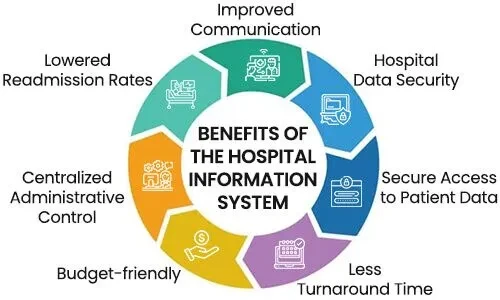
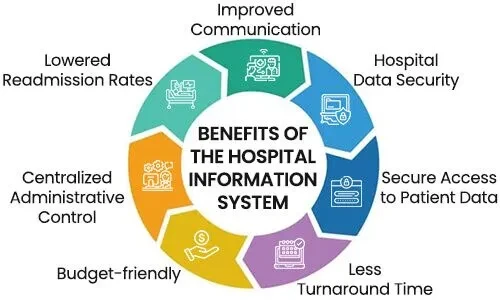
One of the main reasons hospitals are investing in hospital software systems is to enhance the management of hospital resources. From patient records to inventory management, hospital management software ensures that information is easily accessible, accurate, and updated in real-time. This leads to faster decision-making, better communication among departments, and improved patient satisfaction.
Moreover, with hospital management systems gaining traction, many hospitals are also integrating telemedicine, allowing for remote consultations and reducing the strain on in-person visits. This seamless integration helps healthcare providers deliver more personalized care, making hospital information systems essential to modern healthcare administration.
Key Features of Hospital Management Software
- Patient Management – One of the core components of a hospital information management system is the ability to store and manage patient records efficiently. This includes everything from scheduling appointments to managing treatment plans, prescriptions, and billing.
- Billing and Finance – The software also automates the billing process, helping hospitals to minimize errors and reduce time spent on manual entry. Automated billing systems are crucial for efficient financial management and improving cash flow.
- Inventory and Resource Management – Hospitals must constantly monitor the availability of medical supplies and equipment. Hospital management application tools help staff track inventory, preventing stockouts and ensuring that essential resources are always available.
- Reporting and Analytics – By providing access to real-time data and generating customizable reports, hospital administration software enables hospitals to make informed decisions based on trends, costs, and performance metrics.
How Hospital Management Software Improves Patient Care
The integration of hospital management systems ultimately translates into better patient care. With automated workflows and enhanced communication, hospitals can ensure a quicker response time to patient needs. When patient records are seamlessly integrated, medical staff can access critical information without delay, leading to faster diagnoses and more accurate treatment.
Moreover, as hospitals continue to embrace digital transformation, the focus remains on improving the patient experience. Whether it’s a hospital management app for scheduling appointments or an all-encompassing software for hospital management that handles everything from billing to discharge, these digital tools are changing how hospitals deliver care.
In conclusion, hospital management solutions are no longer a luxury but a necessity for modern healthcare institutions. By adopting hospital management software systems, hospitals can not only improve their operational efficiency but also provide superior care to patients, meeting the demands of today’s healthcare landscape.