
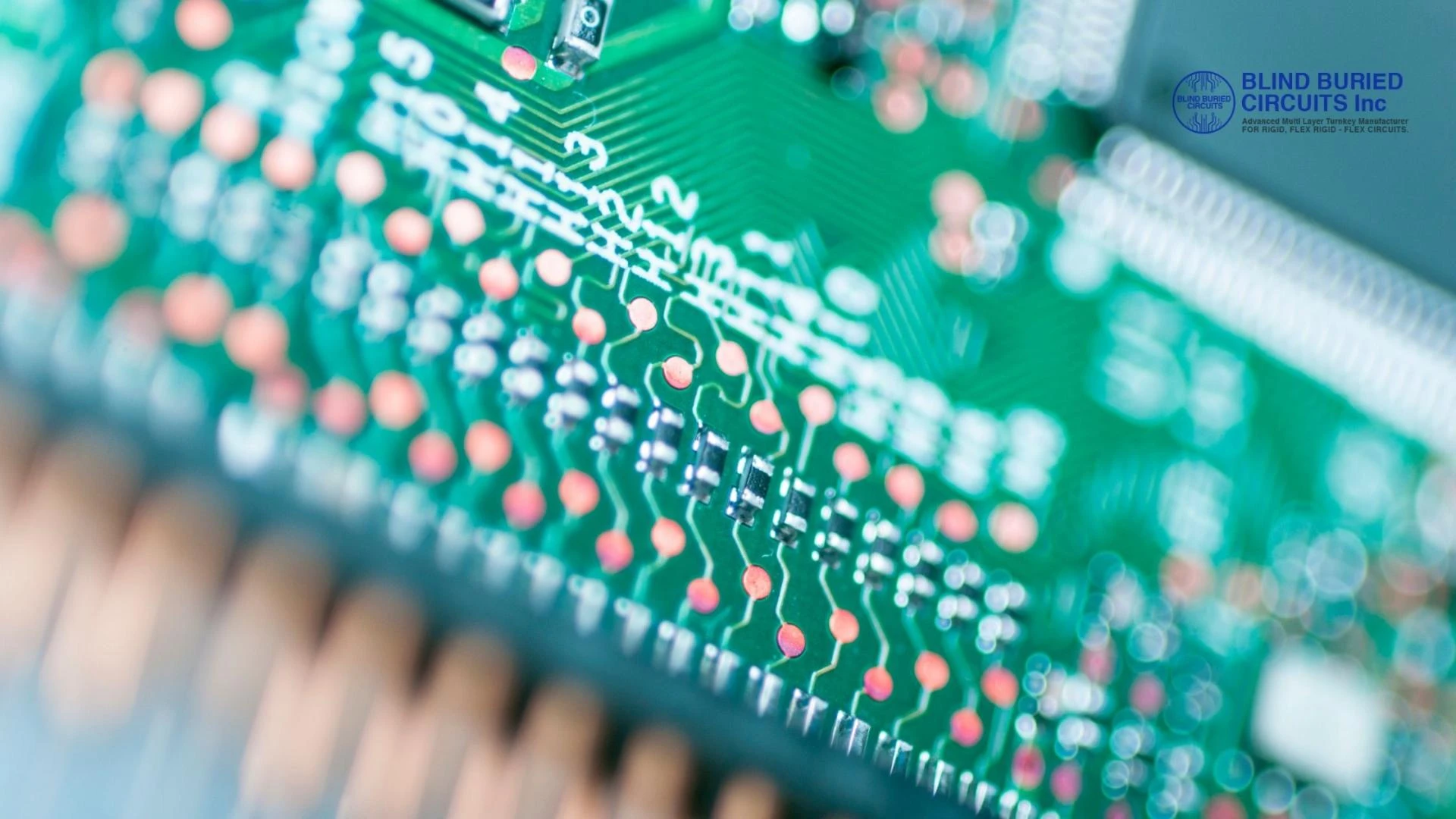
The world is rapidly moving toward connected living, driven by innovations in IoT (Internet of Things) and smart devices. From smart thermostats and wearable health monitors to industrial automation systems, these technologies rely heavily on compact, reliable, and high-performance electronics.
To meet the growing demand for efficient production, full turnkey assembly has become the preferred solution for manufacturers and startups alike. As IoT and smart devices evolve, the role of turnkey prototype assembly and full-scale turnkey solutions will only become more critical.
In this blog, we explore how full turnkey assembly is shaping the future of electronics, especially in the realm of IoT and smart devices and why it's more than just a convenience, but a strategic advantage.
What Is Full Turnkey Assembly?
Full turnkey assembly refers to a manufacturing model where a single provider handles every aspect of PCB production — from sourcing components to fabricating the board, assembling components, testing, and even packaging.
Instead of managing multiple vendors and stages, product developers provide the design files, and the manufacturer delivers a complete, tested product, ready for deployment.
This model is particularly valuable in fast-paced sectors like IoT and smart tech, where time-to-market, product iteration, and quality control are essential.
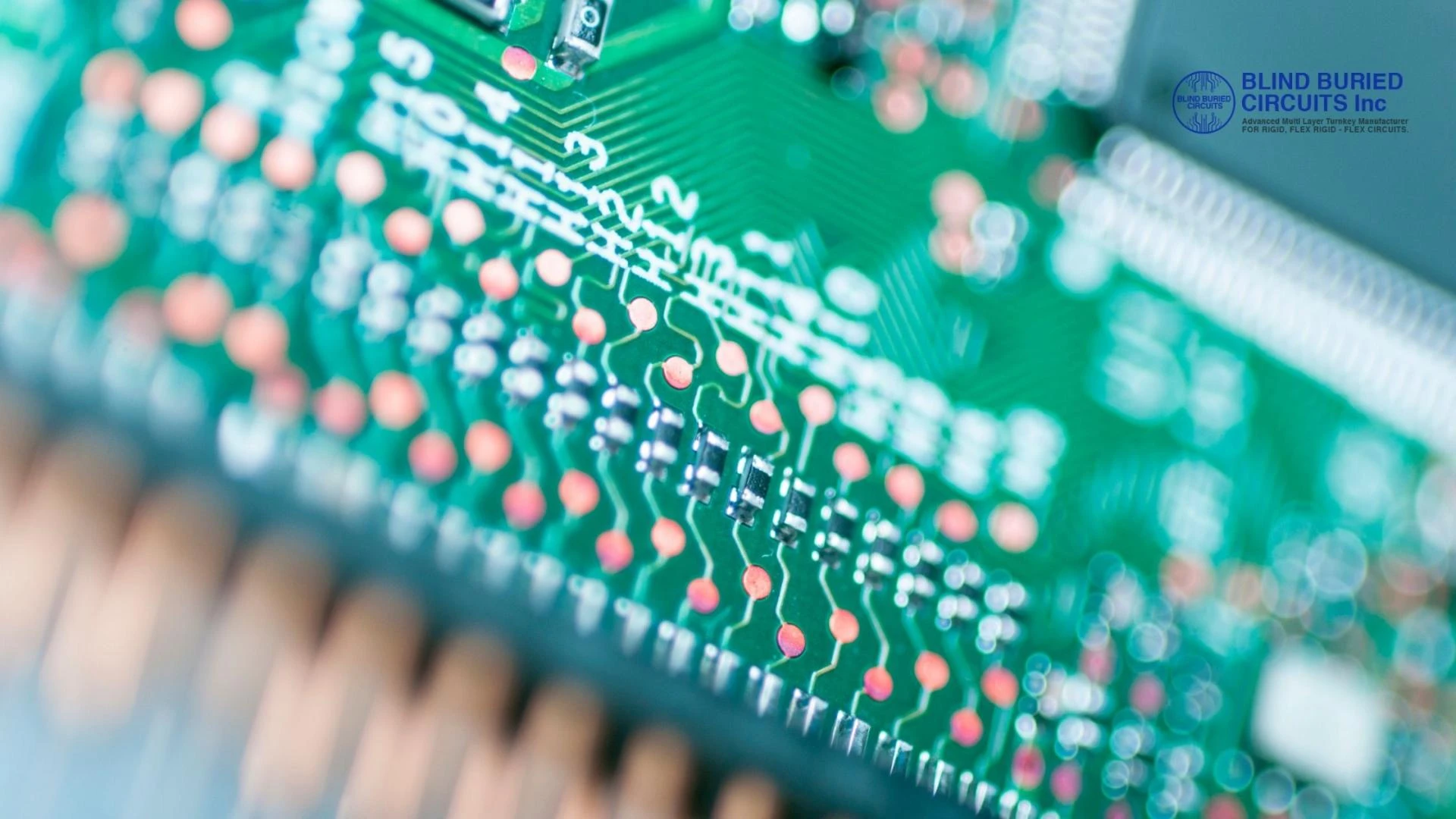
Why IoT and Smart Devices Need Full Turnkey Solutions
As IoT devices become more complex and integrated, manufacturing requirements increase accordingly. Here's why full turnkey assembly is a perfect match:
1. Accelerated Time-to-Market
- IoT markets move fast — and so should your development.
- Full turnkey solutions streamline design, procurement, assembly, and testing under one roof.
- Shorter production cycles mean you launch sooner and stay ahead of competitors.
2. Simplified Supply Chain
- Component sourcing is increasingly volatile due to global shortages.
- A turnkey provider manages procurement, reducing risk and ensuring quality parts.
- Eliminates the need to coordinate with multiple suppliers.
3. Scalable Production
- From turnkey prototype assembly to full-volume production, the model scales with your needs.
- Ideal for MVPs (Minimum Viable Products), pilot runs, and commercial deployment.
4. Enhanced Quality Assurance
- Centralized inspection, testing, and process control ensure consistent output.
- Functional testing and in-circuit testing help catch issues early.
Trends Shaping the Future of Turnkey PCB in IoT
With IoT expected to reach over 25 billion connected devices by 2030, the demand for smart PCBs is exploding. Here are key trends driving the future of full turnkey assembly:
1. Miniaturization and High-Density Interconnect (HDI) PCBs
- IoT devices are getting smaller and more powerful.
- Manufacturers must adapt to produce compact boards with dense component placement.
- Turnkey providers are investing in HDI capabilities to support this shift.
2. Rapid Prototyping and Iteration
- Smart devices evolve through constant iteration.
- Turnkey prototype assembly allows quick validation of new ideas.
- Startups and R&D teams can move from concept to test-ready boards in days, not weeks.
3. Integration of Wireless Technologies
- Bluetooth, Wi-Fi, Zigbee, and LoRa are now standard in IoT PCBs.
- Full turnkey manufacturers now offer RF expertise and impedance-controlled fabrication.
- Design for manufacturability (DFM) practices are built into the early stages.
4. AI and Edge Computing in PCBs
- IoT devices are becoming smarter, thanks to AI and edge computing chips.
- This requires precise placement, thermal management, and multilayer PCB design.
- Full turnkey assembly providers are adapting to support these advanced functionalities.
5. Sustainability and Eco-Friendly Manufacturing
- Modern consumers and industries demand environmentally responsible production.
- Turnkey vendors are investing in RoHS-compliant materials, lead-free soldering, and waste reduction.
How Full Turnkey Providers Support IoT Innovation
Leading full turnkey assembly providers aren't just manufacturers — they’re innovation partners. Here's how they enable successful IoT product development:
✔️ Design for Manufacturing (DFM) Support
- Early-stage guidance to optimize your PCB design for cost, efficiency, and reliability.
✔️ Component Lifecycle Management
- Prevents obsolescence issues by sourcing parts with long-term availability.
✔️ Integrated Testing and Validation
- Electrical, functional, and even environmental stress testing to ensure real-world readiness.
✔️ Flexible Order Volumes
- Whether it's a one-off prototype or 10,000 units, production scales to your needs.
Why Startups and Innovators Choose Turnkey Prototype Assembly
Innovation often starts small — with a prototype. Turnkey prototype assembly gives startups and developers the tools to test, iterate, and refine their products without managing complex supply chains.
Key benefits include:
- Faster prototyping: Get your test boards in days.
- Fewer errors: Experts validate your design before production.
- Lower overhead: No need to stock or manage components.
- Easy scaling: Transition from prototype to full production without switching vendors.
A Real-World Advantage: Blind Buried Circuits
A standout example in the full turnkey assembly space is Blind Buried Circuits. Known for their precision, speed, and quality assurance, they offer end-to-end solutions — from turnkey prototype assembly to volume manufacturing — tailored for industries like IoT, wearables, automotive, and industrial control systems.
By integrating design support, advanced PCB capabilities, and automated testing, they enable their clients to build smarter, faster, and more reliably.
Final Thoughts
The future of electronics especially in IoT and smart devices will be defined by speed, scalability, and smart manufacturing. Full turnkey assembly is not just a convenience anymore; it's becoming a strategic requirement for companies looking to innovate and lead.
Whether you're building a home automation gadget, a medical wearable, or a smart industrial sensor, choosing the right turnkey prototype assembly partner will make or break your success.
As the market continues to evolve, staying ahead means working with experienced, agile, and quality-focused turnkey providers who understand the future of electronics — and are ready to build it with you.