The construction industry has always faced recurring challenges cost overruns, project delays, miscommunication, and inefficient resource allocation. Traditional methods, though reliable for decades, often fail to meet the demands of modern infrastructure projects that require speed, precision, and sustainability.
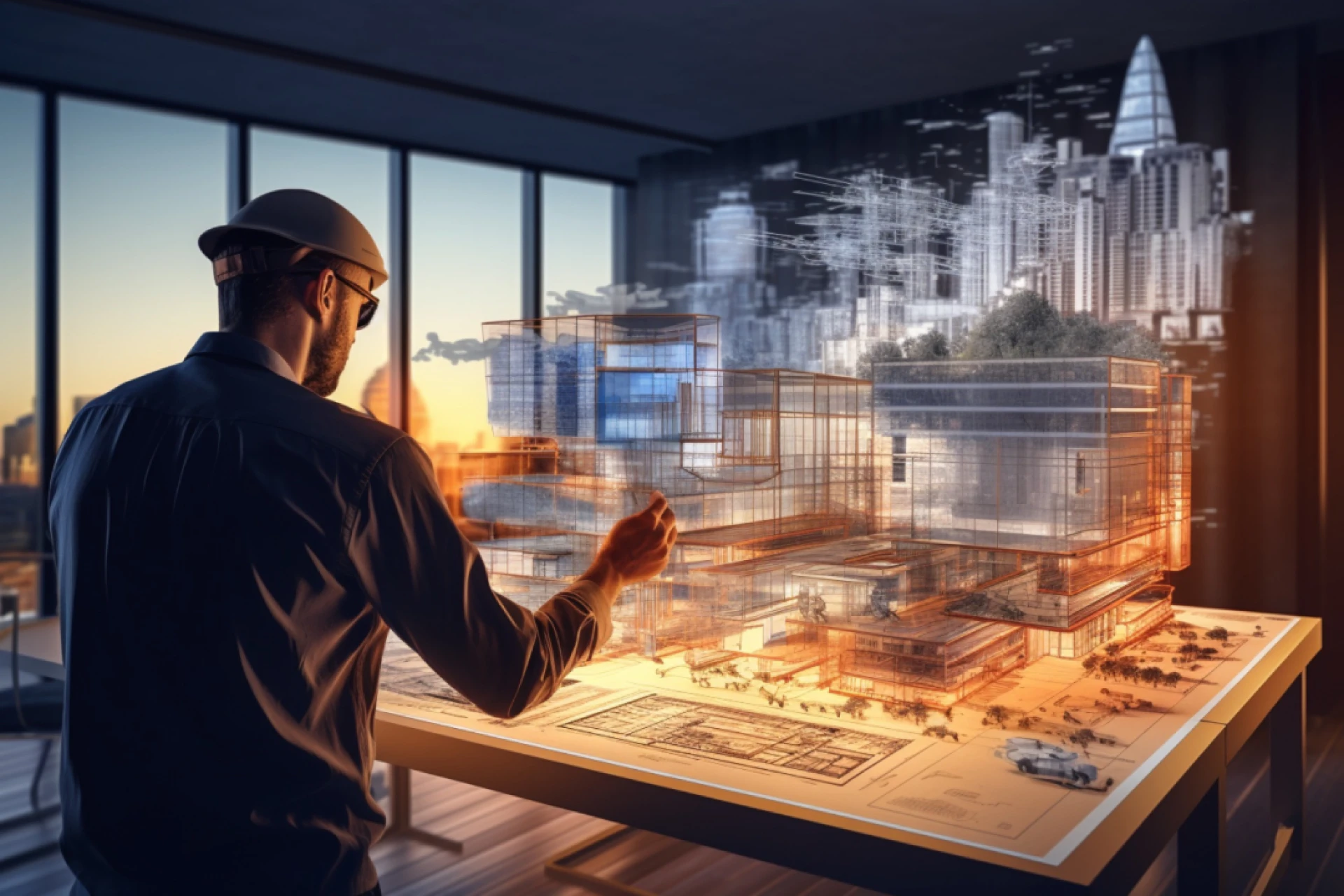
This is where Advanced BIM Solutions are transforming the way buildings and infrastructure are planned, designed, built, and managed. By merging data, technology, and collaboration into a unified ecosystem, advanced BIM (Building Information Modeling) goes beyond 3D modeling to redefine construction project efficiency and quality.
In this blog, we’ll explore how advanced BIM is revolutionizing construction, its features, real-world applications, and what the future holds for digitalized building practices.
Understanding Advanced BIM Solutions
At its core, Building Information Modeling (BIM) is the process of creating and managing digital representations of physical and functional characteristics of a facility. While basic BIM focuses on 3D design, advanced BIM incorporates dimensions such as:
- 4D (Time): Project scheduling and phasing.
- 5D (Cost): Accurate budgeting and forecasting.
- 6D (Sustainability): Energy efficiency and environmental impact.
- 7D (Facility Management): Lifecycle operations and maintenance.
Advanced BIM goes beyond simple visualization. It integrates tools like cloud computing, artificial intelligence, machine learning, IoT, and AR/VR to deliver actionable insights across the entire project lifecycle.
Key Features of Advanced BIM Solutions
What makes advanced BIM such a game-changer? It’s the range of features that extend its functionality:
- Data-Rich Models: BIM models are embedded with metadata, enabling deeper analysis of structural, mechanical, and operational aspects.
- BIM Integration: Seamless coordination with project management, ERP, and facility management tools.
- Collaborative Workflows: Multiple stakeholders can access and update the same model in real time.
- Cloud Accessibility: Centralized data storage for global teams.
- Scalability: Flexible for small-scale residential projects to massive infrastructure ventures.
These capabilities make BIM not just a design tool, but a complete ecosystem for digital construction management.
How Advanced BIM Solutions Are Transforming Construction
Improved Project Visualization and Planning
Traditional 2D drawings often lead to ambiguity. Advanced BIM provides immersive 3D visualizations and virtual walkthroughs that allow stakeholders to experience the project before ground is broken. This eliminates misunderstandings and builds confidence in the design.
Enhanced Collaboration Across Stakeholders
With BIM, architects, engineers, contractors, and owners work on a unified model. Any changes are updated instantly, ensuring all parties are aligned. This reduces conflicts and enhances accountability.
Efficiency in Design and Execution
One of the strongest benefits of BIM is clash detection. Advanced BIM automatically identifies conflicts between structural, electrical, and mechanical systems before construction begins. This reduces costly rework and accelerates approvals.
Cost and Time Savings
By integrating scheduling and cost data (4D and 5D BIM), project teams can forecast expenses and timelines more accurately. This level of predictability minimizes financial risk and ensures timely delivery.
Sustainability and Smart Construction
Environmental responsibility is no longer optional. Advanced BIM incorporates sustainability metrics, energy simulations, and lifecycle assessments. This ensures projects are designed with efficiency and green certifications in mind.
Post-Construction Facility Management
BIM’s utility doesn’t end when the building is complete. With 7D BIM, owners gain access to a digital twin of the facility, enabling efficient operations, predictive maintenance, and long-term asset management.
Role of Advanced BIM in Digital Transformation of Construction
As the industry moves toward smarter, more connected ecosystems, BIM has become central to digital construction solutions. Advanced BIM integrates with emerging technologies like:
- Artificial Intelligence for predictive design and risk analysis.
- IoT Sensors for real-time monitoring of construction activities.
- Robotics & Automation for faster, safer building processes.
- Augmented & Virtual Reality for immersive project reviews and training.
By combining these innovations, advanced BIM becomes the backbone of digital transformation in construction.
Real-World Applications of Advanced BIM Solutions
Residential and Commercial Projects
Developers can provide buyers with virtual tours, ensuring better decision-making and customer satisfaction.
Large-Scale Infrastructure
BIM has been instrumental in airports, railways, and bridges, where complex designs and tight schedules demand precision.
Industrial Facilities
Factories and warehouses require careful integration of machinery, utilities, and workflows something BIM excels at managing.
Renovation and Retrofitting
Scan-to-BIM technology allows accurate modeling of existing structures, streamlining renovations and historical preservation projects.
Choosing the Right BIM Partner
Adopting advanced BIM requires expertise, experience, and technological capability. Collaborating with a trusted BIM Engineering Company or BIM Consulting Company ensures that you have access to the latest tools, best practices, and proven methodologies.
When selecting a BIM Services Provider Company, consider:
- Their project portfolio and industry experience.
- Technological infrastructure and use of cutting-edge tools.
- Ability to customize solutions for specific project needs.
- Commitment to delivering high-quality, error-free deliverables.
A reliable partner helps unlock the full potential of BIM, ensuring smoother workflows and better outcomes.
The Future of Advanced BIM Solutions
The role of BIM is expanding rapidly, and the next decade will see even more innovation:
- AI-Driven Design Automation: Machine learning will suggest optimized design options.
- Immersive AR/VR Environments: Real-time collaboration in virtual spaces.
- Blockchain for Security: Ensuring data integrity and transparent contracts.
- Smart Cities Integration: BIM will become integral to planning and operating smart urban environments.
As construction embraces digitization, BIM will be central to bridging traditional practices with futuristic solutions.
Conclusion
The construction industry is undergoing a digital revolution, and Advanced BIM Solutions are leading the charge. By improving visualization, enhancing collaboration, cutting costs, and enabling sustainable design, BIM has become indispensable for modern projects.
Whether it’s a residential tower, a sprawling infrastructure project, or a factory retrofit, BIM ensures efficiency from concept to completion. With innovations like AI, IoT, and VR shaping its future, BIM will continue to drive smarter, greener, and more reliable construction outcomes.
For organizations seeking to remain competitive, investing in advanced BIM is not just an option, it's a necessity. The right technology partner can make all the difference in turning ambitious designs into successful, real-world builds.