In today’s fast-paced industrial world, efficiency, precision, and eco-friendliness are more important than ever. Traditional cleaning methods involving harsh chemicals, abrasive tools, or costly consumables are gradually being replaced by smarter technologies. One standout innovation is the laser cleaner—a tool that is changing the way industries approach surface cleaning and preparation.
What Is a Laser Cleaner?
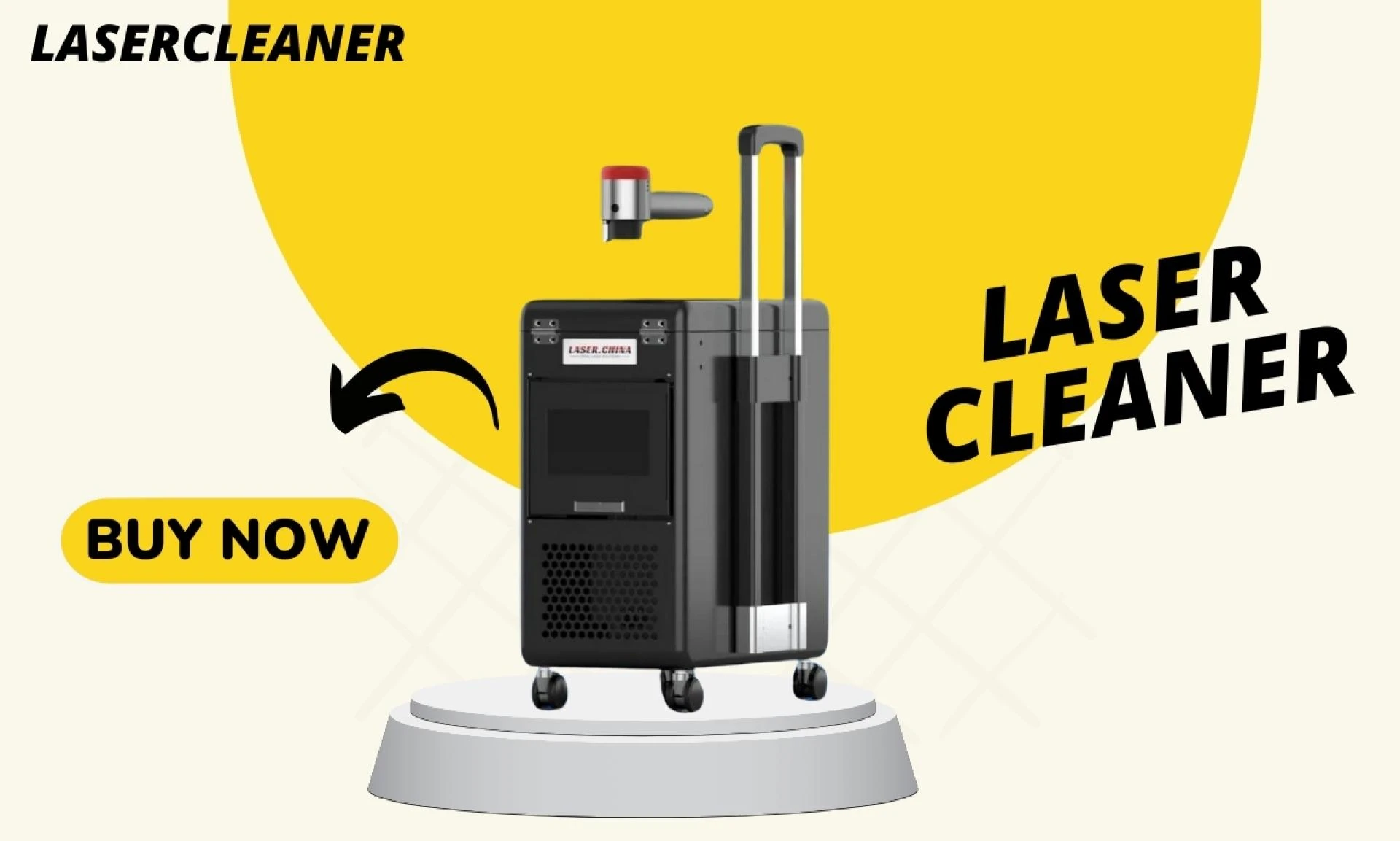
A laser cleaner is an advanced device that uses focused laser beams to remove contaminants, rust, paint, or residues from surfaces without causing damage to the base material. It works by directing pulses of laser light onto the surface, where unwanted substances are vaporized or disintegrated through a process called ablation.
Unlike conventional cleaning methods, laser cleaning is contact-free, which means there’s no wear and tear involved. It’s also incredibly precise, making it ideal for delicate or high-value components in industries such as aerospace, automotive, manufacturing, and even cultural heritage conservation.
Benefits of Using Laser Cleaners
One of the biggest advantages of using a laser cleaner is its environmental friendliness. There’s no need for chemical solvents or abrasive materials, which significantly reduces hazardous waste and promotes a greener work environment. Additionally, there’s minimal maintenance required since the process doesn’t rely on consumables.
Another key benefit is safety. While lasers may sound intimidating, modern laser cleaning systems are designed with user safety in mind, often including enclosures, sensors, and automated functions to protect operators.
Laser cleaning also improves operational efficiency. Its speed and accuracy can significantly reduce downtime and labor costs, especially for businesses that require frequent or large-scale cleaning operations.
Common Applications
Laser cleaners are versatile tools used across various industries:
- Rust Removal: Ideal for restoring metal surfaces in automotive or shipbuilding industries.
- Paint Stripping: Used to prepare surfaces for repainting or inspection without damaging the substrate.
- Welding Prep and Post-Treatment: Perfect for cleaning surfaces before welding and removing oxides or residues afterward.
- Cultural Heritage Restoration: Museums and conservationists use laser cleaning to remove dirt from ancient artifacts without harming the material.
This technology has also gained traction in electronics and semiconductor manufacturing, where precision is paramount.
Why Invest in a Laser Cleaner?
If your business involves regular surface cleaning or restoration work, investing in a laser cleaner could be a game-changer. It’s cost-effective over time, reduces environmental impact, and delivers superior results with minimal effort. Whether you're a small workshop or a large industrial facility, laser cleaning offers a modern solution to age-old problems.
As more industries embrace this technology, now is the time to explore how laser cleaning can transform your workflow. Learn more about how a high-quality laser cleaner can improve your operations with precision and sustainability.
Final Thoughts
Laser cleaning is not just a trend—it’s a practical, efficient, and forward-thinking approach to surface treatment. As industries strive for cleaner, safer, and more efficient practices, adopting laser technology is a smart step toward a sustainable future.