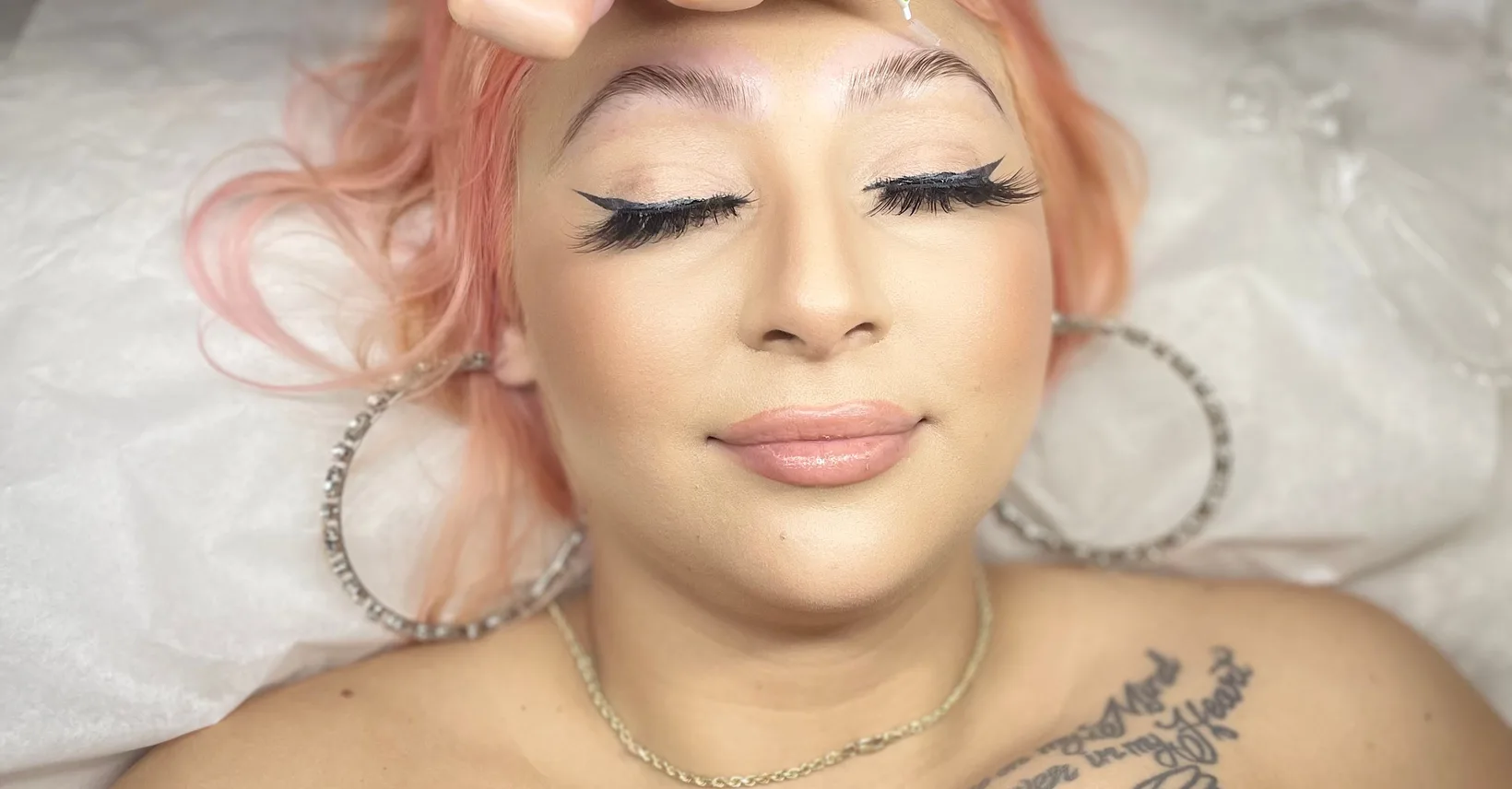
The difference between brows that look unfinished and brows that look intentional can be surprisingly small. One tail extends farther than the other. A few hairs blur the lower edge. A pale section disappears in photographs. None of these details necessarily calls for a dramatic new shape.
The most useful starting point is not a face-shape chart. It is a close look at where your brows begin, how their arches sit, and what your own hair can realistically do. Subtle changes in these areas can make the eyes look more defined while leaving the rest of your features familiar.
Start With the Shape You Already Have
The inner brow helps establish spacing between the eyes, while the arch and tail influence the impression of lift and length. Removing one or two distracting hairs below an arch can reveal its existing line. Extending a short-looking tail with makeup may offer balance without removing hair that will take weeks to regrow.
Perfect symmetry is a poor target. Brows grow differently, and the muscles underneath them may move differently, too. A professional should consider both brows together rather than forcing one into an identical outline. Bring a photograph of a look you like, but explain which detail appeals to you: a softer arch, a cleaner underside, or a less squared-off front.
For many people, the smartest first adjustment is conservative shaping, followed by several days of living with the result before making further changes.
A useful test is to brush the brows upward, then slightly outward, before making changes. Take a front-facing photograph in daylight with a relaxed expression. Compare the start points, the highest visible arches, and where each tail finishes. This gives a more honest baseline than a magnifying mirror.
Use Color to Define, Not Redraw
Some eyebrows appear sparse because their finest hairs are lighter than the surrounding hair. Tinting can make those existing hairs more visible, especially along the tails. It does not produce new growth or fill bare skin permanently. A softer shade may suit someone who wants definition without a sharply painted appearance.
Color choice matters as much as darkness. Consider hair color, natural brow contrast, skin tone, and whether you usually wear makeup. A tint that seems bold immediately after an appointment may not be the subtle change someone expected, so agreeing on the intended finish beforehand is worthwhile.
Eye-area dyes deserve care: the U.S. Food and Drug Administration’s guidance on color additives restricts products used to dye eyebrows and eyelashes. Ask what product will be applied, and avoid experimenting with hair dye at home.
Choose Lamination for Hair Direction
Lamination addresses a different problem. If healthy brow hairs naturally point downward, cross over one another, or refuse to follow the desired outline, the treatment can temporarily redirect them. It can make the brow look fuller by arranging existing hairs more evenly. It cannot fill gaps where no hair grows.
A controlled, softly brushed finish often works better for everyday wear than an exaggerated straight-up effect. The result depends on existing length, density, and the person’s preference. Chemical processing also has limits. A review in the Journal of Cosmetic Dermatology describes potential irritation and contact dermatitis from ingredients used in some brow-lamination systems. Someone with irritated skin or a history of reactions should discuss that before booking.
Brows still need gentle daily brushing afterward. Following the artist’s particular aftercare directions matters more than assuming a lift will hold every hair perfectly without attention.
Treat Hair Removal as a Skin Decision
Waxing can sharpen the perimeter, but sensitive skin changes the calculation. The American Academy of Dermatology’s hair-removal advice cautions against waxing while using certain acne medications, including topical tretinoin, because skin can tear. Tell the provider about retinoids, recent exfoliation, and previous reactions; never independently stop a prescribed treatment just to keep an appointment.
Threading or tweezing may sometimes be discussed instead. The important distinction is between removing hairs that genuinely disrupt the outline and repeatedly thinning the brow to chase a trend.
If a shape needs touch-ups, photograph it as the hair grows back. That record distinguishes stray hairs from parts essential to its balance. Repeatedly removing the same area can make corrections harder.
Let the Consultation Set the Direction
Anyone exploring brow lamination in Fort Worth or brow shaping and waxing can ask for a gradual approach. Claritē Lash + Beauty Bar offers lamination, tinting, and shaping in Fort Worth’s Cultural District, so clients can select an appropriate service. Before booking, review the professional service and licensing guide to see which Texas credentials authorize particular salon treatments.
The best appointment ends with a shape that makes sense when the makeup comes off. Ask the artist to explain what will be changed, what will remain, and how the look will grow out before you agree to the service.
Explore a Brow Consultation
Readers considering brow services in Fort Worth can review Claritē Lash + Beauty Bar’s treatment options and appointment information to discuss a shape that respects their natural features.
About the Author
The author develops practical beauty and personal-care articles that help readers compare treatments, ask informed questions, and set realistic expectations.