
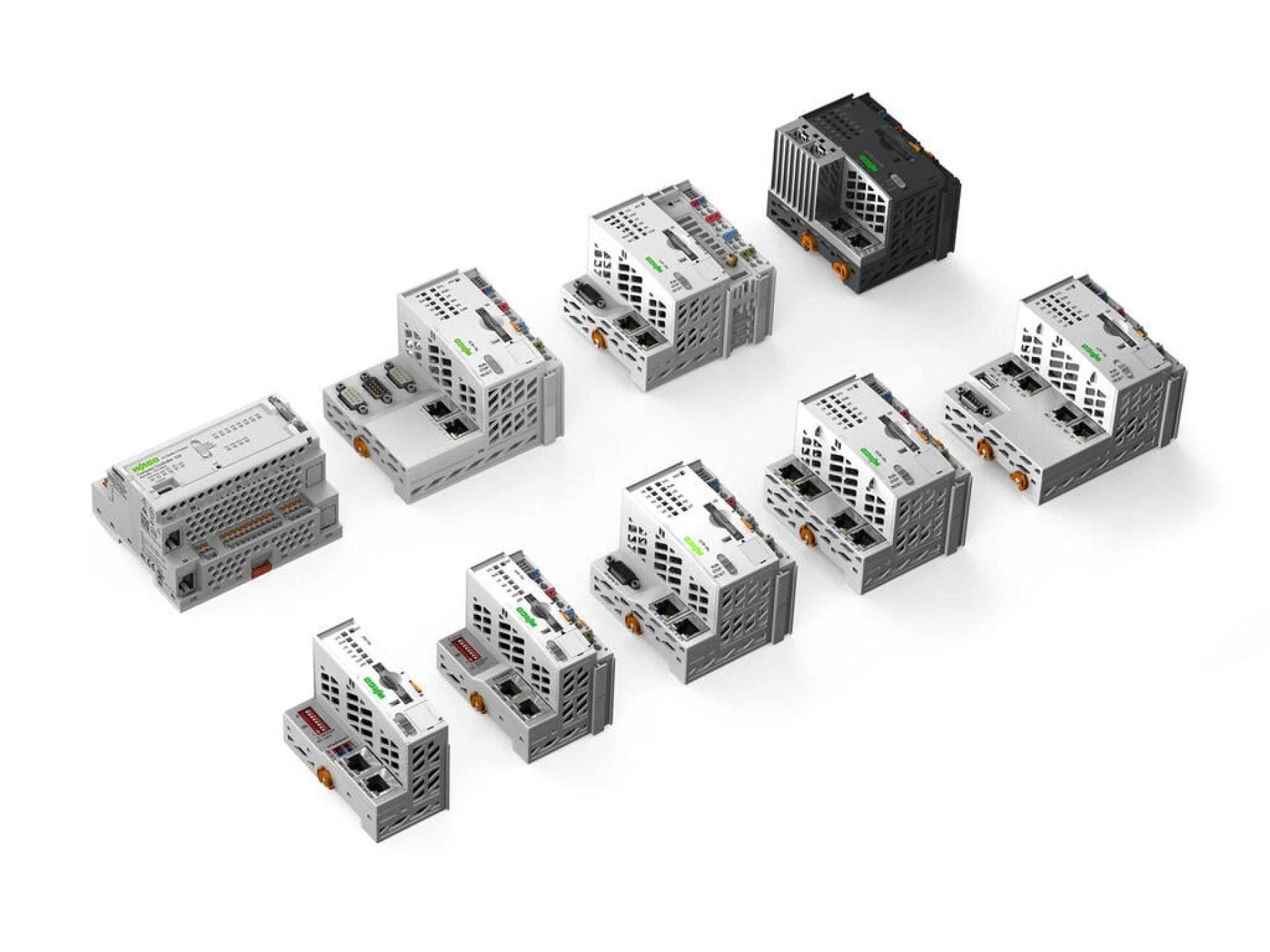
A PLC, or Programmable Logic Controller, is a small computer built to control machines and processes. It watches sensors, runs logic, and switches equipment on or off at the right moment. The Programmable Logic Controller became the heart of industrial automation because it could take complex tasks, run them with precision, and adapt when factories needed quick changes. It replaced old wiring methods, cut costs, and made factories more flexible. Even today, with all the talk about Industry 4.0 and smart technology, PLCs still stand strong as the backbone of automation.
Origins of the Programmable Logic Controller
The story of the PLC began in the late 1960s. At that time, factories were run with relay systems that required huge amounts of wiring and long hours to reconfigure. General Motors wanted a better way. Engineers designed the first PLC, known as the Modicon 084, to replace those relays. The impact was immediate. Car makers could change production lines much faster, troubleshoot problems more easily, and save money. The PLC proved it was not just a new tool but a whole new way to think about automation.
The Role of Programmable Logic Controllers in Modern Industry
Today, PLCs run nearly every type of industrial process. They control conveyor belts, robotic arms, packaging machines, and chemical plants. They provide real-time control so machines respond instantly to inputs. When you need to change a process, you don’t have to rebuild wiring; you just reprogram the controller. They also keep running under tough conditions like heat, dust, or vibration, which makes them reliable for continuous production. On top of that, they cut costs compared to older manual or relay-based systems.
PLCs and the Shift to Industry 4.0
Factories today are smarter than ever. PLCs are a big part of that shift. They now connect with smart sensors, AI tools, and IoT platforms. This means data flows from the machine level all the way to management dashboards. That data helps leaders make decisions faster and keep machines running longer. With predictive maintenance, for example, a PLC can send a signal before a motor fails, avoiding downtime. Of course, with more connectivity comes the need for stronger cybersecurity. Protecting PLCs from digital threats is now as important as keeping the machines themselves safe.
Key Advancements in PLC Technology
PLCs keep evolving. New models are smaller and modular, so they save space and can be expanded easily. Processing speed is higher, which reduces delays in control tasks. Many modern PLCs support wireless communication and connect directly to the cloud. Some are even designed to use less power, making them more eco-friendly. For plant operators, these upgrades mean faster programming, smoother integration, and lower energy costs.
Applications of PLCs in Industry 4.0
PLCs now touch almost every sector:
- Smart factories with automated assembly lines
- Robotics and motion control systems in manufacturing
- Process industries such as oil, gas, chemicals, and food production
- Renewable energy plants and smart grids
In all these areas, PLCs handle control logic, monitor safety, and share data that improves performance.
Challenges and Future Outlook of PLCs in Industry 4.0
Even with all their strengths, PLCs face challenges. Many workers need new skills to work with advanced PLCs. Old machines don’t always connect smoothly with new systems, making upgrades tricky. Some companies are testing software-only control platforms, but PLCs remain more reliable in many cases. Looking forward, we’ll see PLCs moving toward edge computing and AI capabilities. Open-source programming may also play a role, giving engineers more freedom. What’s clear is that PLCs will continue to adapt and stay relevant.
Conclusion
From replacing bulky relay systems to powering smart factories, PLCs have shown their value again and again. They are durable, flexible, and ready to connect with new technologies.
As industries keep moving toward smarter operations, the Programmable Logic Controller will remain the backbone of automation. It supports efficiency, reliability, and innovation for the future.