In today’s rapidly changing business environment, collaboration, learning, and innovation depend on more than just technology — they depend on spaces designed for people to connect. Meeting spaces and corporate training rooms have evolved far beyond simple conference tables and projectors. Modern businesses now look for dynamic, tech-enabled, and flexible environments that support productivity, creativity, and engagement.
What Are Meeting Spaces and Corporate Training Rooms?
Meeting Spaces
Meeting spaces are dedicated areas where teams, clients, and stakeholders come together for discussions, brainstorming sessions, or decision-making. These can range from small huddle rooms for quick chats to large boardrooms for strategic meetings.
Corporate Training Rooms
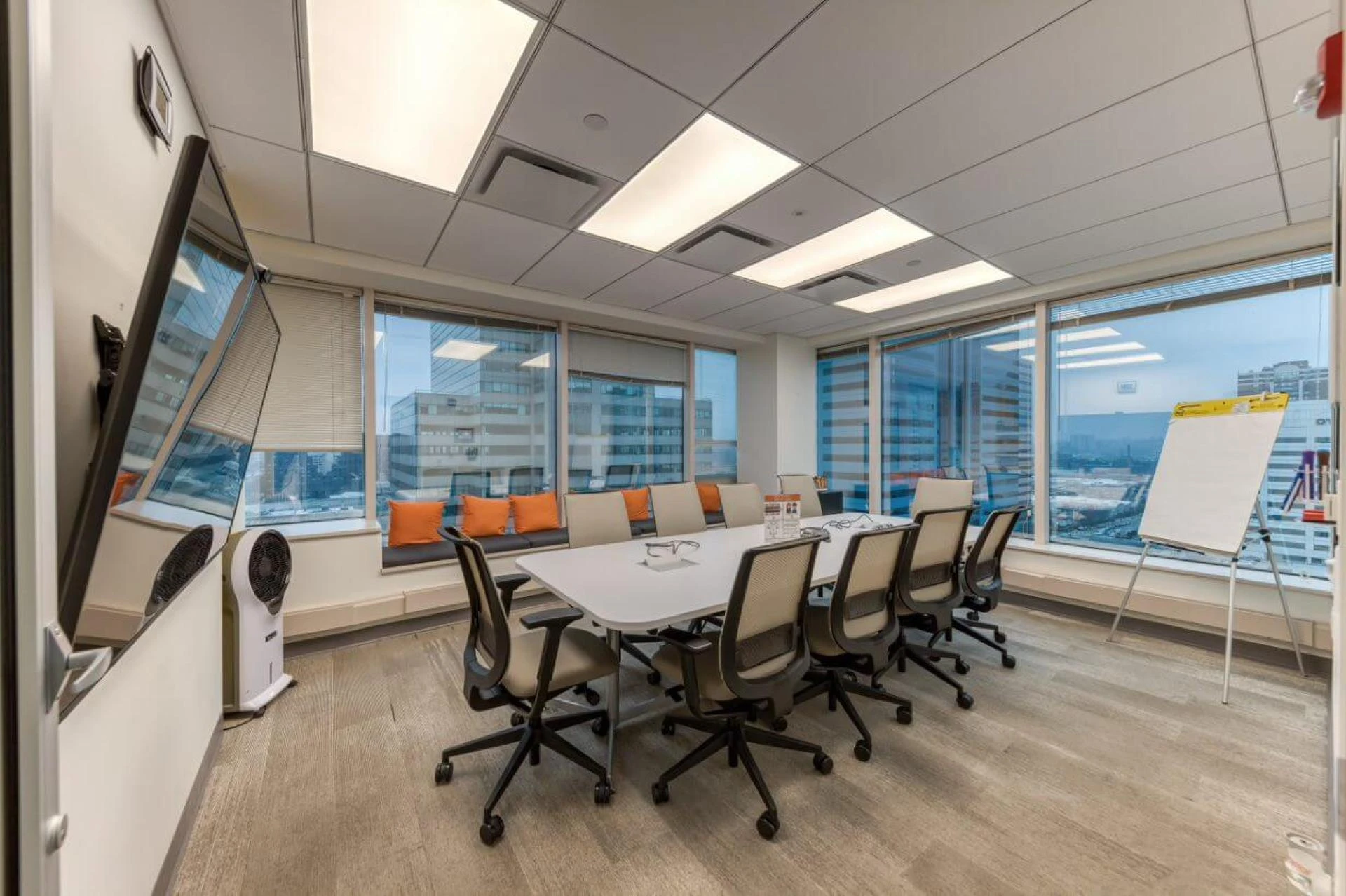
Corporate training rooms are specialized spaces designed to host workshops, training sessions, or learning programs. They are equipped with advanced tools like interactive screens, sound systems, ergonomic furniture, and reliable internet — enabling immersive learning experiences for employees and clients alike.
The Development and Modernization of These Spaces
1. Shift from Static to Flexible Design
Traditional offices had fixed layouts, but modern training rooms and meeting space Jersey City NJ are designed to be flexible. Modular furniture, movable partitions, and smart layouts allow teams to reconfigure rooms for group discussions, presentations, or collaborative workshops with ease.
2. Integration of Smart Technology
Technology has become the heart of modern meeting and training spaces. Businesses now use:
Interactive digital whiteboards
Wireless presentation systems
Video conferencing and hybrid meeting tools
AI-powered scheduling and lighting systems
This integration enables seamless hybrid meetings and training sessions where remote participants can join effortlessly from anywhere.
3. Rise of On-Demand and Rental Models
Companies are increasingly renting meeting and training spaces instead of maintaining permanent facilities. This on-demand model helps startups, SMEs, and even large corporations save on long-term infrastructure costs while still accessing world-class amenities when required.
4. Focus on Employee Experience and Engagement
Modern corporate training room are no longer dull lecture halls. They now feature comfortable seating, breakout zones, natural lighting, and vibrant interiors designed to enhance engagement and learning retention. Businesses recognize that well-designed environments boost motivation and performance.
5. Sustainability and Smart Construction
Developers are now creating energy-efficient meeting rooms and training centers using eco-friendly materials, LED lighting, and smart climate control systems. This trend aligns with companies’ sustainability goals and promotes healthier workplaces.
Why Modern Meeting and Training Spaces Matter
Boost Productivity: A well-equipped environment minimizes distractions and helps teams focus better.
Encourage Collaboration: Open, flexible layouts foster creativity and teamwork.
Enhance Professional Image: Impress clients and stakeholders with modern, well-designed meeting venues.
Support Hybrid Work: Tech-integrated rooms make it easy for remote and on-site teams to collaborate effectively.
Cost Efficiency: Renting on-demand training and meeting rooms eliminates heavy real estate expenses.
The Growing Popularity of Rental Spaces
In major cities, the demand for meeting room rentals and corporate training facilities has skyrocketed. Businesses prefer renting due to:
Flexibility in duration (hourly, daily, or weekly)
Access to premium locations without permanent leases
Ready-to-use setups with zero maintenance
Professional amenities like reception services, catering, and parking
Platforms offering these spaces make it simple to book online, manage schedules, and customize setups according to event needs.
The Future of Corporate Meeting and Training Spaces
The next phase of development will focus on AI-driven personalization and immersive technology. Expect spaces that automatically adjust lighting, temperature, and displays based on user preferences. Augmented reality (AR) and virtual reality (VR) will become integral for advanced training experiences, allowing realistic simulations and global collaboration.
Hybrid workplaces will continue to push demand for flexible, tech-ready, and sustainable spaces that bridge the gap between virtual and physical collaboration.
Conclusion
Meeting spaces and corporate training rooms have come a long way — from simple office extensions to powerful productivity hubs. Their continuous development reflects the evolving needs of modern organizations: flexibility, technology, comfort, and efficiency. As businesses embrace hybrid work and continuous learning, investing in or renting modern, well-equipped spaces is no longer a luxury — it’s a necessity for growth and innovation.