
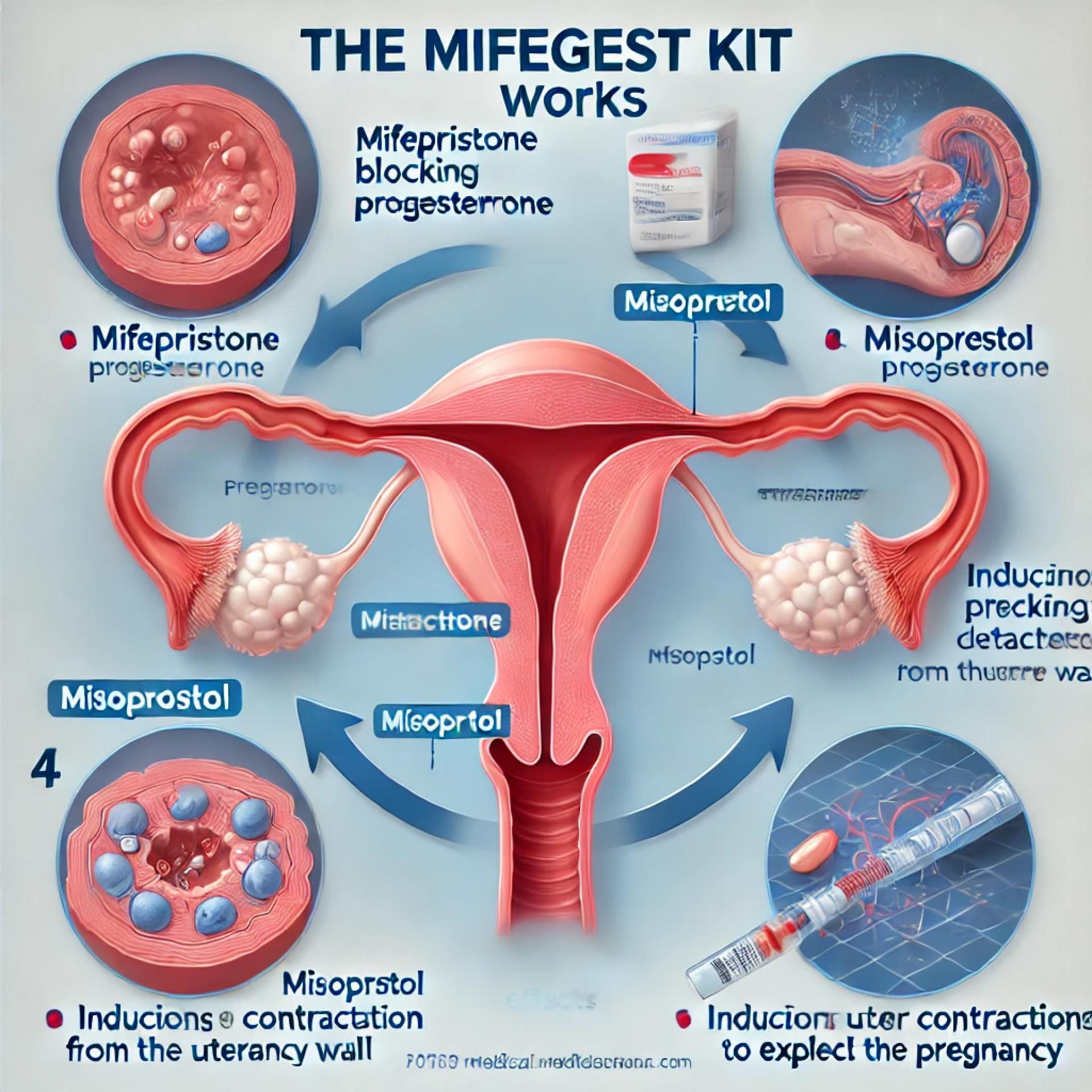
Introduction Abortion remains one of the most controversial and sensitive topics worldwide, sparking debates on ethical, legal, and social grounds. The discussion surrounding abortion involves perspectives from medical professionals, lawmakers, religious groups, and women's rights activists. This article explores the different dimensions of abortion, examining its ethical concerns, legal status in various countries, and its impact on society.
1. Understanding Abortion
Definition of Abortion Abortion refers to the medical or surgical termination of a pregnancy before the fetus can sustain independent life outside the womb. It can be categorized into two types: spontaneous abortion (miscarriage) and induced abortion.
Types of Abortion
- Medical Abortion: Utilizes medication to terminate a pregnancy.
- Surgical Abortion: Involves medical procedures such as dilation and curettage (D&C) or vacuum aspiration.
2. Ethical Perspectives on Abortion
The Pro-Life Argument Pro-life advocates argue that life begins at conception and that abortion is equivalent to murder. Their primary concerns include:
- The moral status of the fetus.
- The right to life as a fundamental human right.
- The psychological and emotional consequences of abortion on women.
The Pro-Choice Argument Pro-choice supporters believe that women should have the right to make decisions about their bodies. Their arguments include:
- Bodily autonomy and reproductive rights.
- The socio-economic impact of forced pregnancies.
- Cases of rape, incest, or medical complications necessitating abortion.
3. Legal Status of Abortion pills in dubai and Around the World
Countries with Liberal Abortion Laws Several countries, including Canada, Sweden, and the Netherlands, have liberal abortion laws that allow women to terminate pregnancies with minimal restrictions.
Countries with Restrictive Abortion Laws Nations such as El Salvador, Poland, and parts of the Middle East have strict abortion laws that prohibit the procedure under most circumstances.
Impact of Legal Restrictions
- Increase in unsafe abortions due to lack of access to legal medical services.
- Higher maternal mortality rates in countries where abortion is illegal.
- Social stigma and criminalization of women seeking abortions.
4. Social and Psychological Effects of Abortion
Effects on Women
- Emotional and psychological responses vary; some women experience relief, while others may struggle with guilt or depression.
- Support from family, partners, and healthcare professionals plays a crucial role in post-abortion mental health.
Effects on Society
- Access to safe abortion services reduces the number of unwanted children and supports family planning.
- Debates on abortion continue to influence political ideologies and legislative decisions.
5. Religious and Cultural Views on Abortion
Religious Perspectives
- Christianity: Views on abortion vary among different denominations, with the Catholic Church strictly opposing it.
- Islam: Generally prohibits abortion but allows exceptions in cases where the mother's life is at risk.
- Hinduism and Buddhism: Perspectives vary, with some texts condemning abortion while others allow it in certain circumstances.
Cultural Influences
- Societal norms shape attitudes toward abortion, with more conservative cultures opposing it and progressive societies advocating for reproductive rights.
6. The Future of Abortion Rights
Technological Advancements
- Development of safer medical abortion methods.
- Increased access to contraception reducing unwanted pregnancies.
Policy Reforms
- Global movements advocating for reproductive rights.
- Efforts to decriminalize abortion and improve healthcare access.
Conclusion Abortion remains a deeply divisive issue, influenced by ethical, legal, and social perspectives. While some advocate for women's rights and bodily autonomy, others emphasize the moral and religious sanctity of life. The future of abortion rights depends on legislative reforms, medical advancements, and evolving societal attitudes. Ensuring access to safe and legal abortion services is crucial for women’s health and well-being worldwide.