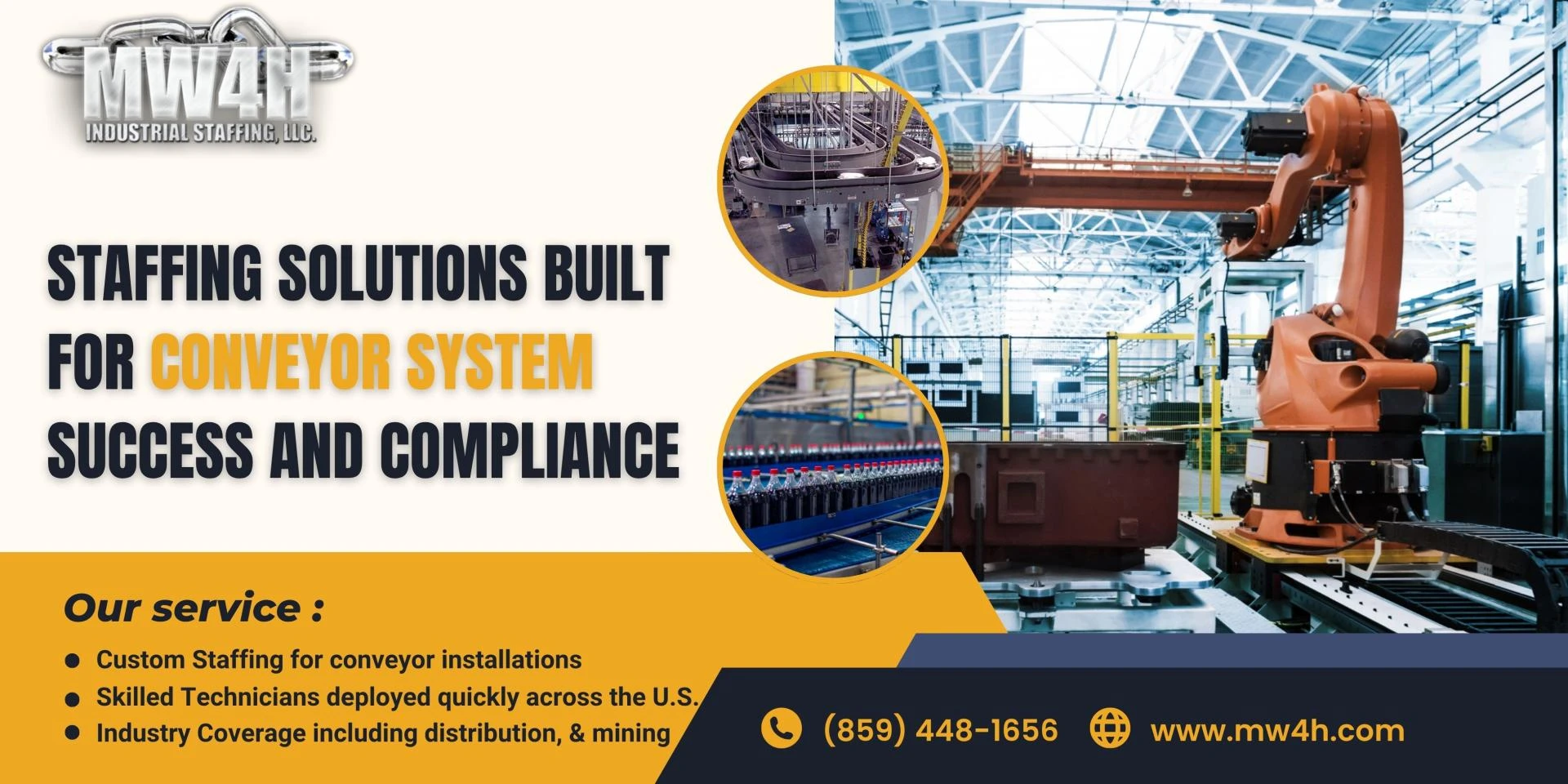
A conveyor technician plays a vital role in keeping industrial operations running smoothly by installing, maintaining, and repairing conveyor systems used in manufacturing, warehouses, mining, and other industries. These skilled professionals work with various conveyor types—belt, roller, chain, and screw conveyors—ensuring they operate efficiently and safely. Their responsibilities include diagnosing mechanical and electrical issues, replacing worn parts, aligning systems, and performing routine inspections to prevent costly downtime. A deep understanding of hydraulics, pneumatics, motor controls, and safety protocols is essential for success in this role, along with problem-solving skills and attention to detail.
With industries increasingly relying on automated material handling systems, the demand for experienced conveyor technicians continues to grow. These experts not only improve operational efficiency but also help businesses maintain compliance with workplace safety regulations. Many technicians undergo formal technical training or apprenticeships and keep their skills up to date with evolving conveyor technologies. Whether working in a bustling distribution center or a heavy-duty mining site, conveyor technicians are the backbone of material movement, ensuring products and resources get from point A to point B without interruptions. Their expertise directly impacts productivity, safety, and the bottom line of industrial operations.