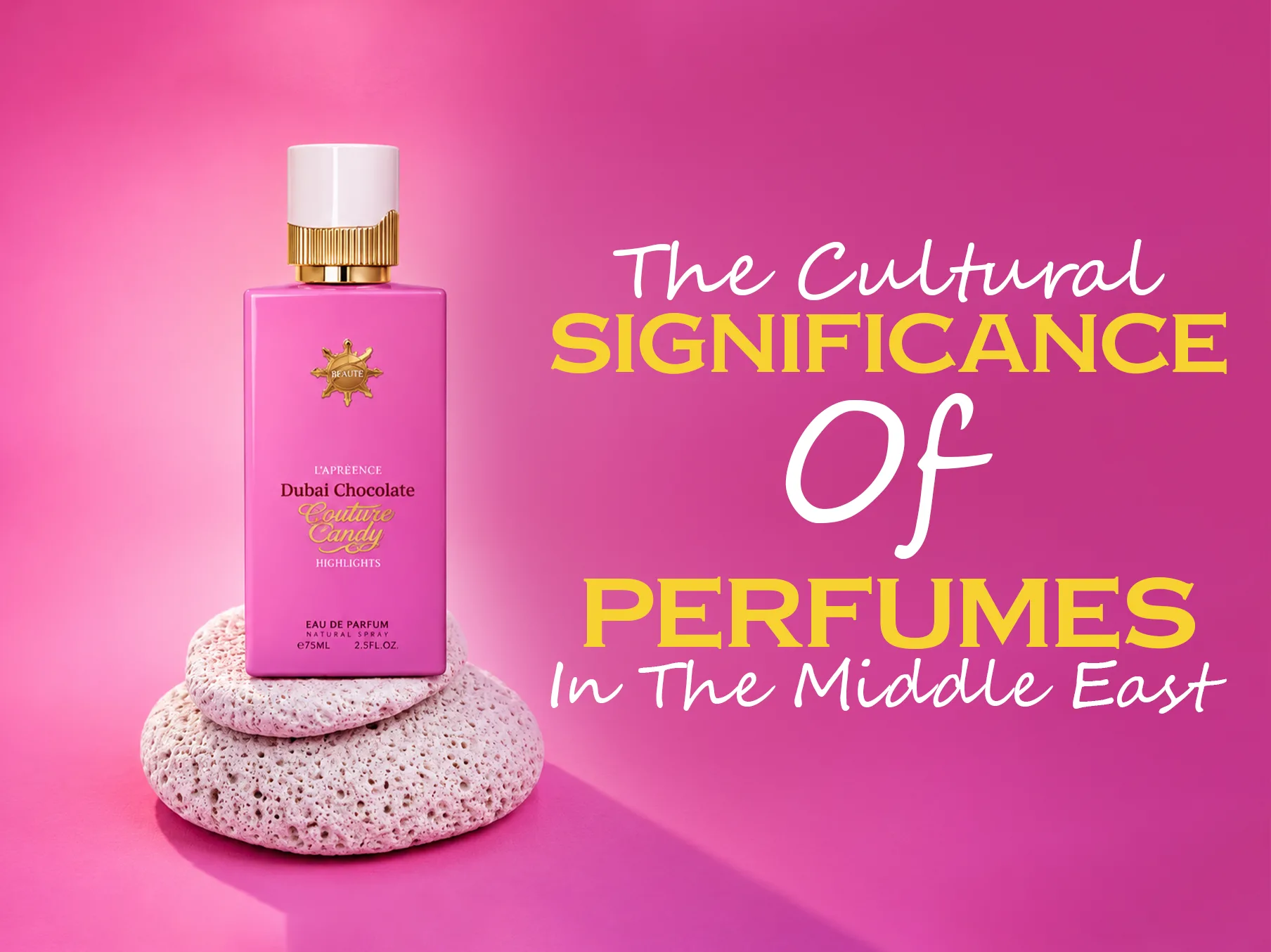
Perfume in the Middle East is much more than a finishing touch before leaving the house. Fragrance is closely connected to hospitality, family traditions, celebrations, personal identity, and everyday life. From the rich aroma of oud to the comforting smoke of bukhoor, traditional scents have been passed down through generations while continuing to evolve with modern perfumery.
For many people across the region, choosing a fragrance is a personal experience. A particular scent can bring back memories of home, special occasions, family gatherings, or important celebrations. This deep connection is one reason Middle Eastern perfumery remains influential around the world.
Why Is Perfume Important in Middle Eastern Culture?
Perfume has a long-standing role in Middle Eastern culture because fragrance is associated with cleanliness, hospitality, beauty, and self-expression.
Scent can also be part of social traditions. Welcoming guests with pleasant aromas, preparing the home with bukhoor, or wearing a favorite perfume for an occasion can all make fragrance part of the experience rather than simply something worn on the skin.
This cultural relationship with fragrance has helped create a distinctive perfume tradition built around rich natural ingredients, careful craftsmanship, and layered scent combinations.
Oud: One of the Most Recognizable Middle Eastern Scents
When people think about Middle Eastern perfumery, oud is often one of the first ingredients that comes to mind.
Oud comes from the resinous heartwood of certain agarwood trees. Its aroma can be deep, woody, smoky, earthy, sweet, or slightly leathery depending on the material and how it is prepared.
Oud is particularly valued in Arabian perfumery because of its distinctive character and long-standing cultural association. It can be used on its own or combined with ingredients such as rose, amber, musk, saffron, spices, and other woods.
This flexibility makes oud suitable for everything from traditional fragrances to contemporary luxury perfumes.
Bukhoor and the Fragrance of the Home
Perfume culture in the Middle East is not limited to personal fragrances.
Bukhoor is a traditional form of scented incense made using fragrant wood chips or other aromatic materials blended with oils, resins, spices, and perfumes. When heated, it releases a rich and distinctive aroma.
Bukhoor is commonly associated with homes and social occasions. Its fragrance can create a welcoming atmosphere for family members and guests, making it closely connected to the idea of hospitality.
For many households, the scent of bukhoor can also evoke memories of family, celebrations, and familiar surroundings.
Perfume and Middle Eastern Hospitality
Hospitality is an important part of social life throughout the Middle East, and fragrance can play a role in creating a welcoming environment.
A pleasant scent in the home can contribute to the atmosphere when guests arrive. Fragrance may also be incorporated into gatherings, celebrations, and other social occasions.
This connection between fragrance and hospitality demonstrates why perfume cannot always be viewed simply as a cosmetic product. In many situations, it becomes part of how people create an enjoyable and memorable experience for others.
Perfume as a Form of Personal Identity
Fragrance can say a lot about someone's personality.
Some people prefer fresh citrus and floral scents, while others are drawn to intense oud, warm amber, musk, spices, or sweet gourmand fragrances. The fragrance someone chooses can become part of their personal style.
A signature perfume can even become something people associate with a particular person. Over time, the scent becomes connected to memories and emotions.
This is one reason fragrance selection can feel so personal. People are not only choosing a pleasant smell—they are choosing how they want to experience and express themselves.
Traditional Ingredients in Middle Eastern Perfumery
Middle Eastern perfumery is known for combining a wide variety of aromatic ingredients.
Some commonly associated ingredients include:
- Oud – deep, woody, resinous, and distinctive
- Rose – floral, elegant, and sometimes rich
- Musk – soft, warm, clean, or sensual
- Amber – warm, sweet, and resinous
- Saffron – spicy, leathery, and luxurious
- Frankincense – resinous, aromatic, and slightly smoky
- Myrrh – warm, balsamic, and earthy
- Sandalwood – creamy, woody, and smooth
These ingredients can be used individually, but they are often layered together to create more complex fragrances.
The art of combining different notes allows traditional Middle Eastern perfume styles to offer considerable depth and character.
Rose and Oud: A Timeless Combination
One of the most recognizable combinations in Middle Eastern-inspired perfumery is rose and oud.
Rose brings a soft floral character, while oud adds depth and richness. The contrast between the two can create a fragrance that feels both elegant and powerful.
Modern perfumers have experimented with this combination in many ways, adding citrus, spices, musk, vanilla, amber, or woods to create different interpretations.
This is a good example of how Middle Eastern perfumery can preserve familiar ingredients while allowing room for creativity and modern preferences.