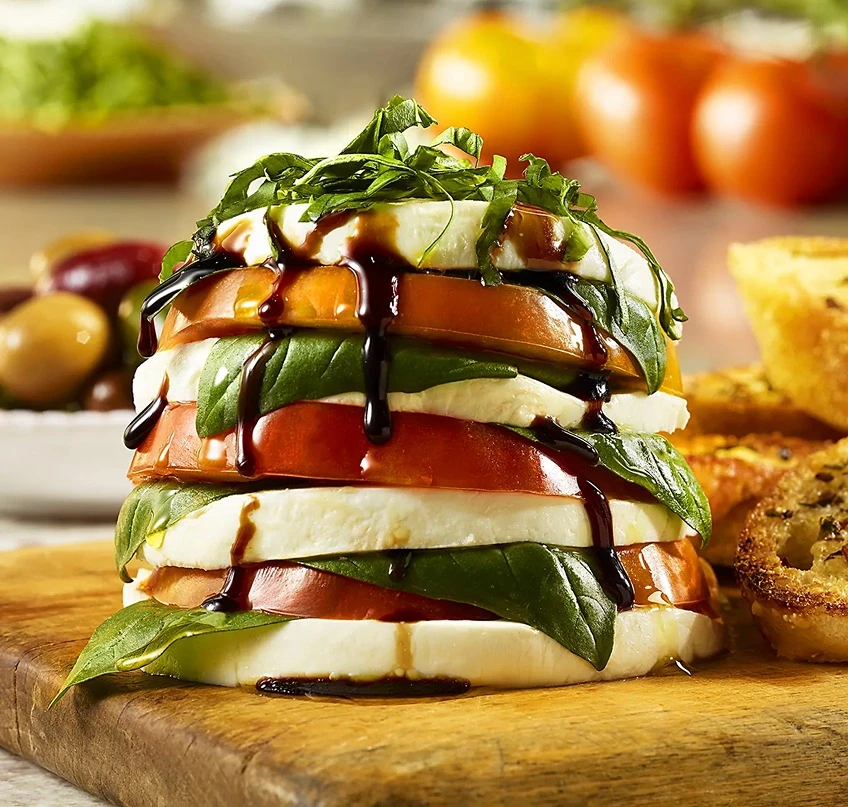
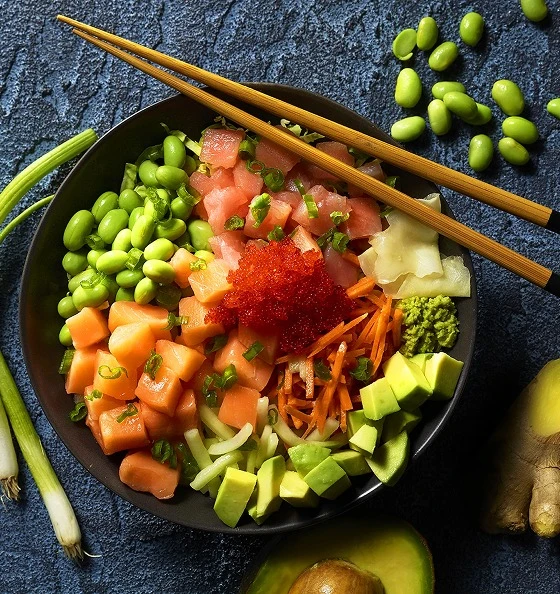
Creating powerful visual imagery for brands requires far more than simply placing food in front of a camera. The work of a commercial food photographer involves planning, collaboration, lighting mastery, and technical precision. Every image that appears in a campaign, advertisement, or marketing piece is the result of a carefully structured creative process designed to highlight products in the most compelling way possible.
From early concept development to the final stage of post-production, each step is essential in shaping visuals that attract attention and communicate a brand’s message. Experienced professionals approach food photography with both artistic vision and technical discipline, ensuring that every detail contributes to a strong and memorable image.
Concept Development and Visual Strategy
The creative process often begins long before any camera equipment is set up. Concept development is a foundational stage where the commercial food photographer works with creative teams and clients to determine the visual direction of the project.
During this stage, the goal is to translate a brand’s message into a clear visual idea. This might involve identifying the mood of the image, deciding how the food should appear, and determining the environment in which the product will be photographed. Some campaigns require clean, minimalist visuals that highlight texture and freshness, while others call for dramatic lighting and motion to create a sense of energy.
Mood boards, sketches, and visual references are often used to guide the creative direction. These tools help define the style, color palette, composition, and lighting approach that will be used during the shoot. By planning these elements in advance, the commercial food photographer ensures that the final images align with the overall marketing strategy.
Concept development also involves logistical considerations. Decisions about location, props, backgrounds, and shooting style are finalized so the production process runs smoothly once the shoot begins.
Preparing the Set, Lighting, and Equipment
Once the creative concept is established, preparation for the shoot begins. This phase focuses on building the environment in which the product will be photographed.
A professional commercial food photographer understands that lighting plays one of the most critical roles in food imagery. Lighting determines how textures appear, how liquids reflect light, and how appetizing the product looks. Achieving the perfect balance of highlights and shadows often requires careful positioning of lights, modifiers, reflectors, and diffusion materials.
The set itself is constructed with precision. Surfaces, backgrounds, and props are selected to complement the food without distracting from it. Every object in the frame must support the overall visual concept.
Camera equipment is also chosen carefully based on the desired result. Different lenses can emphasize texture, create depth, or isolate specific details. High-resolution cameras allow photographers to capture intricate elements such as condensation on a beverage glass or the crisp texture of freshly prepared food.
Testing is a common part of this stage. The commercial food photographer may capture several preliminary shots to refine the lighting setup and adjust composition before the final shoot begins.
Working with Food Stylists and Art Directors
Food photography is rarely a solo effort. Successful projects rely on collaboration between multiple creative professionals, each contributing specialized skills to achieve the final result.
Food stylists play a key role in preparing dishes so they appear visually appealing under studio lighting. Their expertise ensures that ingredients maintain their structure, color, and freshness throughout the shoot. A stylist may carefully arrange garnishes, adjust textures, or subtly enhance elements so they photograph beautifully.
At the same time, art directors help ensure that the visuals align with the brand’s overall creative vision. They may guide composition choices, approve styling decisions, and ensure that every frame matches the intended campaign aesthetic.
The commercial food photographer works closely with both stylists and art directors throughout the shoot. Communication and teamwork allow adjustments to happen quickly, whether that means repositioning a prop, modifying lighting, or refining the placement of ingredients.
This collaborative environment ensures that each image meets both creative and commercial objectives. By combining the expertise of multiple professionals, the final photographs achieve a level of polish that would be difficult to accomplish alone.
Capturing the Perfect Shot Through Technical Expertise
When the set is prepared and the team is aligned, the focus shifts to capturing the image itself. This stage requires a deep understanding of camera techniques, lighting control, and composition.
A skilled commercial food photographer pays close attention to small but important details. The angle of the camera, the direction of the light, and the placement of each element in the frame can dramatically change the final result.
Food and beverages often require precise timing. Ice can melt, sauces can shift, and garnishes can wilt under studio lights. Because of this, photographers must work efficiently while maintaining complete control over the technical aspects of the shoot.
Many commercial images are built through multiple exposures or variations. Slight adjustments are made between shots to perfect reflections, balance highlights, or capture movement such as splashes or pours. This process allows the photographer to choose the most visually striking frame or combine elements during post-production.
Patience and experimentation are also essential. Achieving the ideal image may require repeated adjustments to lighting or composition until every detail looks exactly right.
Post-Production and Final Image Refinement
The creative process continues even after the photography session ends. Post-production is where the captured images are refined to reach their final polished form.
During this stage, the commercial food photographer reviews all selected images and performs careful editing to enhance color, contrast, and overall clarity. Adjustments are made to ensure that the food appears vibrant and true to life while maintaining a consistent style across the campaign.
Retouching is often used to perfect minor details that cannot be controlled entirely during the shoot. This might include removing imperfections, enhancing textures, or refining reflections on glass surfaces.
Post-production also ensures that the images meet technical requirements for commercial use. High-resolution files are prepared for advertising layouts, digital campaigns, packaging, and print materials.
Through careful editing and refinement, the final images achieve a polished, professional quality that supports brand storytelling and marketing objectives.
Conclusion
The creative process of a commercial food photographer combines artistry and technical skill to deliver polished images ready for commercial campaigns. From developing the initial visual concept to refining the final image during post-production, every stage requires precision, creativity, and collaboration.
By carefully planning the shoot, working closely with stylists and creative teams, and applying advanced lighting and photography techniques, a commercial food photographer transforms everyday food products into visually compelling imagery. The result is a collection of striking photographs that not only capture attention but also strengthen brand identity and elevate marketing campaigns.