Food safety is one of the most critical responsibilities in the food manufacturing industry. Consumers expect safe, high-quality products, and regulatory bodies enforce strict standards to ensure that expectation is met. While many food production facilities rely on traditional inspection methods such as metal detectors and manual checks, these approaches may not detect all types of contaminants. Inline X-ray detection systems have emerged as an advanced technology that significantly enhances product safety and quality control.
However, some manufacturers hesitate to adopt this technology due to the perceived cost of installation and implementation. In reality, the cost of not using inline X-ray detection can be far greater. From product recalls and regulatory penalties to damaged brand reputation and production inefficiencies, failing to implement this technology can have serious financial and operational consequences.
Understanding Inline X-ray Detection in Food Production
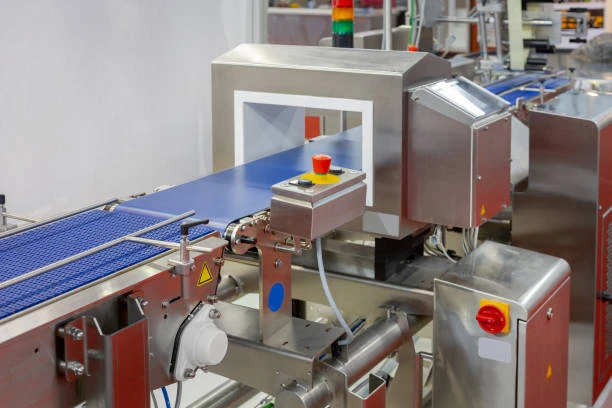
Inline X-ray detection systems are inspection technologies integrated directly into food production lines. They use X-ray imaging to scan products as they move along conveyors, identifying foreign contaminants and quality defects without slowing production.
Unlike traditional metal detectors, X-ray systems can detect a wide range of contaminants, including:
- Metal fragments
- Glass shards
- Stones
- Bone fragments
- Dense plastics and rubber
- Calcified materials
In addition to contaminant detection, many modern X-ray systems can also perform quality checks such as verifying product weight, counting components, detecting missing items, and identifying packaging defects.
This multi-functional capability makes inline X-ray detection an essential tool for comprehensive quality control.
The Financial Risk of Product Recalls
One of the highest costs of not using inline X-ray detection is the risk of product recalls.
Food recalls occur when contaminated or unsafe products reach the market. These recalls can result from foreign objects in food, such as glass fragments, bone pieces, or metal particles.
When such contamination is discovered, manufacturers must quickly remove affected products from distribution.
The financial impact of a recall can be enormous and often includes:
- Product retrieval and disposal costs
- Production downtime
- Investigation and corrective actions
- Legal expenses
- Compensation claims
- Lost inventory and sales
Even a single recall can cost a company millions of dollars, far exceeding the investment required for an X-ray inspection system.
Inline X-ray detection significantly reduces this risk by identifying contaminants before products leave the factory.
Damage to Brand Reputation
In the food industry, reputation is everything. Consumers place their trust in food brands to deliver safe and reliable products. When contamination incidents occur, that trust can be quickly destroyed.
News of food contamination spreads rapidly through the media and social networks. Once consumers lose confidence in a brand, it can take years to rebuild credibility.
The consequences of reputational damage may include:
- Declining product sales
- Retailers removing products from shelves
- Loss of long-term customer loyalty
- Negative media coverage
Companies that implement advanced inspection technologies demonstrate their commitment to safety and quality, which helps protect brand reputation and maintain consumer trust.
Regulatory and Compliance Risks
Food safety regulations are becoming increasingly strict around the world. Regulatory agencies require manufacturers to implement effective contamination control measures as part of their food safety management systems.
Standards such as HACCP (Hazard Analysis and Critical Control Points) require manufacturers to identify potential hazards and implement appropriate detection systems.
Without inline X-ray detection, manufacturers may struggle to demonstrate that they have implemented adequate controls against physical contaminants. This can lead to:
- Failed food safety audits
- Compliance violations
- Regulatory penalties or fines
- Temporary shutdowns of production lines
Investing in X-ray detection technology strengthens compliance efforts and helps businesses meet evolving regulatory requirements.
Limited Detection Capabilities of Traditional Methods
Many food manufacturers rely solely on metal detectors to identify contaminants. While metal detection is effective for detecting ferrous and non-ferrous metals, it has limitations.
Metal detectors cannot detect many non-metallic contaminants, including:
- Glass fragments
- Stones
- Bone pieces
- Dense plastic materials
These contaminants may still enter the production process through raw ingredients, processing equipment, or packaging materials.
Inline X-ray detection systems provide broader detection capabilities, enabling manufacturers to identify a wider range of potential hazards. Without this technology, contamination risks remain higher.
Increased Production Waste
Another hidden cost of not using inline X-ray detection is production waste. When contamination is suspected but cannot be accurately identified, manufacturers may be forced to reject large batches of products as a precaution.
This leads to:
- Lost raw materials
- Increased disposal costs
- Reduced production efficiency
X-ray systems provide precise contamination detection, allowing manufacturers to isolate and remove only affected products rather than entire batches.
This targeted rejection process reduces unnecessary waste and improves overall operational efficiency.
Reduced Quality Control and Product Consistency
Inline X-ray systems do more than detect contaminants—they also enhance quality control.
Modern systems can verify product integrity by detecting issues such as:
- Missing components in packaged products
- Broken items within sealed packaging
- Incorrect product counts
- Packaging defects
Without X-ray inspection, these issues may go unnoticed until products reach retailers or consumers. This can lead to customer complaints, product returns, and additional costs associated with quality control failures.
Improved inspection technology ensures consistent product quality and reduces the likelihood of customer dissatisfaction.
Higher Long-Term Operational Costs
Some manufacturers avoid X-ray systems due to the initial investment required. However, focusing only on upfront costs can be misleading.
Over time, the absence of effective contamination detection can lead to greater operational expenses, including:
- Frequent product recalls
- Increased quality control failures
- Higher insurance premiums
- Legal and liability costs
- Loss of contracts with retailers or distributors
Retailers and global food brands increasingly require suppliers to implement advanced inspection technologies. Companies that fail to meet these expectations risk losing valuable business opportunities.
In many cases, the long-term cost of not investing in X-ray detection far exceeds the cost of implementing it.
Improved Efficiency Through Automation
Inline X-ray systems operate automatically within production lines, allowing continuous inspection without slowing throughput.
This automation provides several operational advantages:
- Reduced reliance on manual inspection
- Faster product verification
- Improved production line efficiency
- Reduced labour costs
Without automated inspection systems, manufacturers may rely more heavily on manual quality checks, which are slower, less consistent, and more prone to human error.
Automated X-ray inspection helps maintain high production speeds while ensuring product safety.
Protecting Consumer Safety
Above all, the most important cost of not using inline X-ray detection is the potential risk to consumer safety.
Foreign contaminants in food products can cause serious injuries, including choking, dental damage, or internal injuries. When consumers are harmed by contaminated products, the consequences for manufacturers can be severe.
These consequences may include:
- Lawsuits and legal liability
- Compensation claims
- Regulatory investigations
- Permanent brand damage
Investing in advanced detection technology helps prevent these incidents and protects both consumers and businesses.
Conclusion
Inline X-ray detection has become an essential technology for modern food production. It provides advanced contaminant detection, improves quality control, and supports regulatory compliance. While some manufacturers may hesitate due to the initial cost of installation, the financial and operational risks of not using this technology are far greater.
Product recalls, regulatory penalties, production waste, and reputational damage can quickly exceed the cost of implementing an X-ray inspection system. Additionally, as food safety standards continue to evolve, manufacturers must adopt more advanced inspection methods to remain competitive and compliant.
By integrating inline X-ray detection into production lines, food manufacturers can protect consumers, maintain product quality, and safeguard their brand reputation. Ultimately, investing in this technology is not just about compliance—it is about building a safer, more efficient, and more resilient food production system.