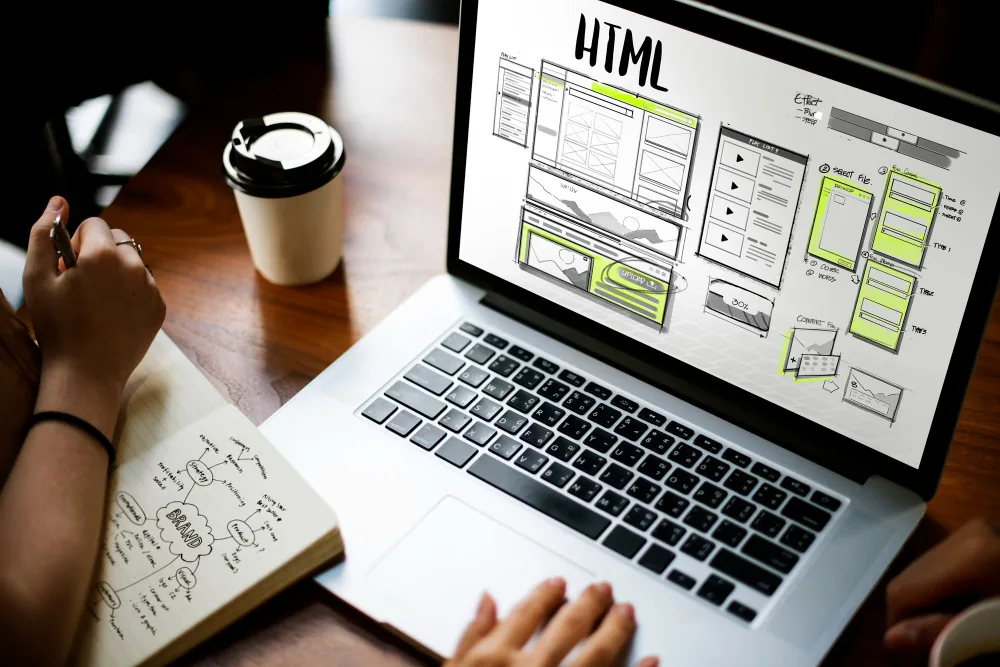
Web design is not only about colors, images, or layout. It directly shapes how customers think, feel, and act on a website. Many buying decisions today begin on a screen. Before speaking to a salesperson or visiting a store, people first judge the brand through its website. The design of that website silently guides their choices.
This link between web design and customer decisions is strong because the human brain reacts quickly to visual signals. Without reading long text, users sense whether the brand feels trustworthy, professional, confusing, or unsafe. In simple words, design influences behaviour. When a website is built with intention and user understanding, it gently leads visitors toward enquiry, sign-up, or purchase.
For businesses in Kerala and especially Kochi, keeping up with good design standards has become essential. A website now plays the role of a digital storefront, customer support desk, and marketing platform at the same time. This article explains how good web design affects customer decisions and why working with the right design approach matters.
First Impressions Lead to Quick Judgments
Customers form opinions within seconds of opening a website. These quick judgments happen before they consciously think about them. A neat, balanced, modern layout sends a strong positive signal, while a cluttered or outdated design does the opposite.
Elements that shape first impressions
- page loading speed
- clarity of content layout
- use of white space
- harmony of colors and fonts
- visual stability without sudden shifts
When the first impression is positive, users stay longer and explore deeper pages. When the initial experience is poor, users leave even if the product or service itself is good. This shows how design directly affects bounce rates and conversions.
Visual Appeal Triggers Emotional Response
Customer decisions are not always purely logical. Emotions play a large role, especially in online settings. Visual design elements trigger emotional reactions that either support or block a decision.
Warm colors, readable fonts, high-quality images, and balanced spacing create comfort. Harsh contrasts, flashing banners, or messy layouts cause irritation. When users feel calm and confident, they are more open to buying, booking, or filling forms.
Good design also reflects respect for the customer. It says the brand values quality and user comfort, which directly builds trust.
Easy Navigation Encourages Action
Even the best content fails when users cannot find it easily. Clear navigation is one of the strongest drivers of customer decisions.
Good navigation supports decisions by
- reducing confusion
- lowering effort required to find information
- preventing frustration
- making the path to purchase or enquiry simple
Visitors should be able to reach key pages like services, pricing, contact, and product details within a few clicks. When the path is confusing, people give up and leave the site rather than struggling. A user-friendly menu, visible search bar, and meaningful internal links guide customers naturally.
Content Layout Affects How Information Is Read
Two sites may offer the same information, yet one performs much better simply due to layout. The way text, headings, and visuals are arranged influences reading behaviour.
Short paragraphs, bullet points, and clear headings help users scan quickly. Most users do not read every word; they skim and form meaning. A well-structured design supports this natural reading pattern, making it easier for people to understand benefits and make decisions.
Dense blocks of text without spacing feel tiring. Customers often leave before they reach key information. So, layout design directly supports or harms conversions.
Trust Signals Reduce Buyer Hesitation
Online decisions come with risk in the customer’s mind. They think about data safety, product quality, payment security, and after-sales support. Thoughtful web design can reduce these fears through clear trust signals.
Important trust-building elements include:
- HTTPS and visible security icons
- honest testimonials
- clear contact information
- real addresses
- transparent policies
- consistent branding
When these signals are placed in the right areas of the design, they reassure visitors. Reduced hesitation leads to faster decisions and fewer abandoned carts or incomplete enquiry forms.
Mobile-Friendly Design Supports On-the-Go Decisions
A large share of users in Kochi and Kerala browse mainly on mobile phones. If a website is not mobile-friendly, it pushes away a big portion of potential customers.
Responsive design adjusts layout to different screen sizes. Buttons become easier to tap, text becomes readable without zooming, and images fit the screen neatly. When users can comfortably browse on mobile, they are more likely to call, message, or purchase.
A site that breaks on small screens sends the message that the business is outdated or careless. This directly harms decision-making confidence.
Page Speed Influences Patience and Trust
Slow websites do not just annoy users; they also change decisions. People leave slow pages even if they are interested in the product. Every extra second of loading time increases the chance of drop-off.
Fast sites feel modern, reliable, and technically strong. Speed gives the impression that the brand invests in quality. Slow performance raises doubts about whether payments, forms, or features will work properly.
Image optimisation, clean coding, and proper hosting are key factors that support speed and therefore support customer choices.
Clear Calls to Action Guide the Next Step
Customers often need guidance. Even when they like what they see, they may not know what to do next unless the website clearly shows it. Calls to action (CTAs) are buttons or links that guide users to take the next step.
Examples include:
- “Contact us”
- “Book an appointment”
- “Get a quote”
- “Buy now”
Design affects CTA success by handling color contrast, button shape, position, and wording. When CTAs are visible but not intrusive, users respond well. When they are hidden or confusing, users leave without acting even when interested.
Storytelling Through Design Shapes Brand Perception
Every brand has a story — about its values, quality, purpose, or vision. Web design acts as the stage on which this story is presented. Visuals, tone of content, and layout combine to express identity.
A brand that wants to appear premium may use minimal design, soft tones, and elegant fonts. A youthful brand may use bold visuals and energetic layouts. When visual design matches brand identity, customers feel consistency. This alignment supports emotional connection and purchase confidence.
Local Relevance Strengthens Customer Confidence
When customers feel that a brand understands their local culture, language tone, and environment, they feel closer to it. For businesses in Kerala, reflecting regional sensibility without overdoing it adds authenticity.
Mention of service regions, easy access to contact details, and locally relatable visuals help customers feel that the brand is reachable, not distant. Working with a skilled web designing company in kochi can help businesses align global standards with local audience comfort. Names such as Inter Smart are often associated with this space, but what truly matters is applying good design principles consistently rather than just choosing a popular vendor.
UX Design Directly Drives Buying Behaviour
User Experience (UX) design focuses on how people actually use a website. It studies behaviour patterns and removes friction. When UX is strong, users reach their goals faster and feel satisfied.
Good UX helps customers:
- compare options easily
- understand value quickly
- complete forms without confusion
- check out without errors
- get support when needed
When UX is poor, it leads to cart abandonment, unfinished sign-ups, or negative word of mouth. When UX is good, it leads to repeat visits and recommendations.
Accessibility Makes Brands More Human and Trustworthy
Design must support all users, including people with visual, hearing, or physical challenges. Accessibility is not just a legal requirement in many regions; it is also a trust factor.
Accessibility features include:
- readable contrast
- alt text for images
- keyboard navigation
- scalable text
- clear labels
A brand that cares about inclusivity feels more ethical and dependable. Customers respect businesses that care for all audiences.
Decision Psychology and Design Work Together
Customer decisions are shaped by psychological triggers such as social proof, familiarity, and ease of use. Web design uses these triggers carefully:
- repeated elements build familiarity
- testimonials build social proof
- consistent layout builds predictability
- clean pages reduce cognitive load
When a site feels easy and comfortable, the brain spends less energy figuring it out and more energy engaging with the product or service. This directly improves decision rates.
Practical Design Tips That Support Customer Decisions
Businesses can improve customer decisions by focusing on these practical steps:
- remove visual noise and clutter
- use real images where possible
- ensure uniform branding across pages
- write content in clear simple sentences
- place CTAs logically
- improve speed and mobile performance
- update outdated sections regularly
- fix broken links and errors
Small improvements made consistently can significantly change user behaviour over time.
Design Is a Silent Sales Partner
Design does not speak, yet it communicates constantly. It shapes emotion, trust, clarity, and comfort. These factors directly guide customer decisions — whether to stay or leave, enquire or ignore, buy or postpone.
A well-designed website respects the user’s time and needs. It reduces confusion, builds confidence, and provides smooth pathways toward action. In the long run, thoughtful design becomes a silent sales partner, working in the background every second, even when no one from the business is physically present.
Businesses that take web design seriously do not just create “beautiful pages”; they shape customer behaviour, strengthen brand trust, and build long-term growth in the digital world.