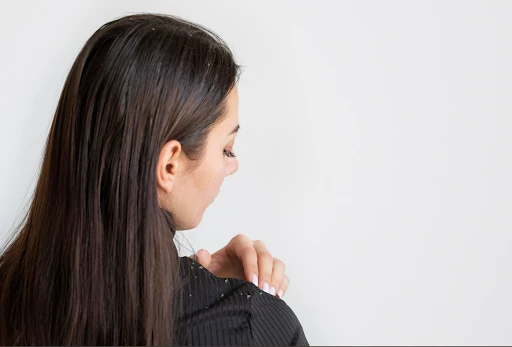
Hair health is deeply connected to the condition of the scalp and the moisture balance within each strand. Many common hair concerns—flakes, dryness, rough texture, and frizz—stem from disruptions in this delicate equilibrium. Daily exposure to environmental stressors, frequent styling, and unsuitable hair products can weaken the scalp’s protective barrier and strip hair of essential hydration. Over time, these factors lead to visible signs of imbalance that affect both comfort and appearance. Understanding how to care for the scalp while preserving moisture within the hair shaft is the key to achieving long-lasting smoothness and resilience. With the right cleansing approach and consistent care routine, it becomes possible to transform dull, unmanageable hair into strands that feel soft, look vibrant, and remain healthy from root to tip.
Restoring Scalp Health for Stronger Hair Growth
A healthy scalp provides the ideal environment for hair follicles to function efficiently and produce strong strands. When oil production becomes excessive or buildup accumulates, the scalp may respond with irritation, itching, and visible flakes. These conditions can weaken hair at the root and interfere with natural growth cycles. Addressing scalp imbalance requires gentle yet effective cleansing that removes impurities without stripping essential moisture. Many individuals rely on the best dandruff shampoo to restore scalp comfort, reduce flaking, and support a balanced environment that encourages healthier hair development.
Why Moisture Retention Prevents Frizz and Rough Texture
Hair becomes frizzy when it loses its natural moisture and the outer cuticle layer lifts, allowing humidity to penetrate the strands. This process disrupts the hair’s smooth structure and creates a coarse, uneven surface that reflects light poorly. Hydration-focused cleansing helps replenish lost moisture and seal the cuticle, improving both softness and manageability. Choosing the best shampoo for dry and frizzy hair supports moisture retention by nourishing the hair fiber, enhancing elasticity, and reducing the likelihood of breakage caused by dryness.
The Role of Gentle Cleansing in Hair Longevity
Effective cleansing is essential for maintaining both scalp balance and hair strength. Harsh washing methods can strip protective oils that shield hair from environmental damage, while inadequate cleansing allows buildup to accumulate and weaken strands. Using lukewarm water and mild cleansing agents helps preserve natural oils while removing impurities. Gentle massage techniques stimulate circulation and ensure even distribution of cleansing products across the scalp. Over time, a balanced cleansing approach promotes improved texture, enhanced shine, and reduced irritation.
Understanding the Hair Cuticle and Its Protective Function
The cuticle is the outermost layer of the hair shaft and plays a crucial role in maintaining smoothness and strength. When the cuticle lies flat, hair appears shiny and feels soft to the touch. Damage from heat styling, environmental exposure, or chemical treatments can cause the cuticle to lift, making hair more vulnerable to moisture loss and breakage. Preserving cuticle integrity through proper hydration and gentle handling helps maintain structural stability and prevents common issues such as tangling and split ends.
Nourishing Ingredients That Support Hair Resilience
Hair care formulations designed for long-term improvement often include ingredients that soothe the scalp and strengthen the hair fiber. Moisturizing components help maintain hydration, while conditioning agents smooth the cuticle and improve manageability. Antioxidant-rich extracts may protect against environmental stress, and strengthening elements reinforce the internal structure of each strand. Selecting products that combine cleansing and nourishment ensures that hair remains both clean and resilient, supporting consistent improvement over time.
Building a Sustainable Hair Care Routine
Consistency is the foundation of effective hair care. Establishing a routine that balances cleansing, conditioning, and protection helps maintain scalp comfort and hair vitality. Washing frequency should align with individual needs, taking into account oil production, lifestyle, and environmental exposure. Conditioning after every wash helps reinforce moisture levels and improve flexibility, reducing the likelihood of breakage. Over time, a structured routine supports stronger strands and more predictable styling results.
Protecting Hair From Environmental and Styling Stress
Daily exposure to pollution, sun, humidity, and heat styling tools can gradually weaken hair structure and disrupt moisture balance. Protective habits such as minimizing excessive heat and maintaining hydration help preserve hair integrity. Gentle handling during styling reduces mechanical stress that can lead to breakage. When protective measures are combined with consistent cleansing and conditioning, hair becomes more resilient and maintains a healthier appearance despite environmental challenges.
The Long-Term Impact of Balanced Hair Care
Addressing both scalp condition and moisture balance creates lasting improvements that extend beyond surface appearance. A comfortable, well-maintained scalp supports efficient follicle function, while hydrated strands retain elasticity and shine. This dual approach reduces recurring concerns such as flaking, dryness, and roughness. Over time, hair becomes easier to manage, requires fewer corrective treatments, and maintains a naturally smooth and healthy look.
Conclusion
Healthy hair is the result of harmony between scalp balance and moisture retention. By prioritizing gentle cleansing, consistent hydration, and protective care, it becomes possible to reduce flakes, improve texture, and strengthen strands from root to tip. A routine that supports both scalp comfort and hair resilience creates long-term benefits that enhance appearance and manageability. When these elements work together, hair transforms into a reflection of sustained health, confidence, and natural vitality.
Frequently Asked Questions
1. How do I know if my scalp needs targeted care?
Signs such as itching, visible flakes, or persistent dryness often indicate that the scalp’s balance has been disrupted and may benefit from specialized cleansing.
2. What makes hair appear dull and lifeless?
Hair often looks dull when the cuticle layer is raised or damaged, preventing it from reflecting light effectively and retaining moisture.
3. Can consistent hair care really improve texture over time?
Yes, maintaining a balanced routine that supports hydration and scalp health gradually strengthens hair structure and improves overall smoothness.