
Introduction
In 2026, professional cleaning chemicals play a critical role in maintaining hygiene, safety, and operational efficiency across residential, commercial, healthcare, hospitality, and industrial environments. Rising hygiene expectations, stricter regulations, and increased public awareness have transformed cleaning from a basic housekeeping task into a strategic function that directly impacts health, brand reputation, and compliance.
Unlike household cleaners, professional cleaning chemicals are scientifically formulated to address specific soil types, surfaces, and contamination risks. When selected and used correctly, they deliver superior cleaning performance, protect assets, reduce long-term costs, and ensure safer environments for occupants and workers alike.
This comprehensive guide explains what cleaning chemicals are, why they matter in 2026, the different types available, how to use them safely, and how organizations can choose the right products for optimal results.
What Are Cleaning Chemicals?
Cleaning chemicals are formulated substances designed to remove dirt, grease, stains, microorganisms, and unwanted residues from surfaces. They work by breaking chemical bonds in soil, dissolving grease, neutralizing mineral deposits, or killing bacteria and viruses.
Professional cleaning agents are commonly used in:
- Homes and residential complexes
- Offices and commercial buildings
- Hotels and restaurants
- Hospitals and clinics
- Factories, warehouses, and industrial plants
Unlike generic cleaners, professional-grade chemicals are often concentrated, task-specific, and supported by technical documentation such as Safety Data Sheets (SDS). This makes them more effective, economical, and suitable for large-scale or high-risk environments.
Why Cleaning Chemicals Are More Important Than Ever in 2026
Several factors have increased the importance of professional cleaning chemicals:
- Higher hygiene standards in public and shared spaces
- Increased footfall in commercial facilities post-pandemic
- Stricter regulatory oversight in healthcare, food, and hospitality sectors
- Focus on infection prevention and public safety
- Greater emphasis on sustainability and worker health
Cleaning today is no longer judged only by visual appearance. It is evaluated by measurable hygiene outcomes, safety compliance, and environmental responsibility.
Main Types of Cleaning Chemicals Explained
1. Acidic Cleaning Chemicals
Acidic cleaners are designed to remove mineral-based soils, including:
- Hard water stains
- Limescale
- Rust
- Soap scum
Common applications:
- Toilets and urinals
- Bathroom tiles and fittings
- Washbasins and taps
Acidic cleaners are essential in bathrooms and washrooms but must be used carefully, as overuse can damage sensitive surfaces.
2. Alkaline Cleaning Chemicals
Alkaline cleaners are effective against organic and greasy soils, such as:
- Cooking oil and fat
- Food residues
- Protein-based stains
Common applications:
- Commercial kitchens
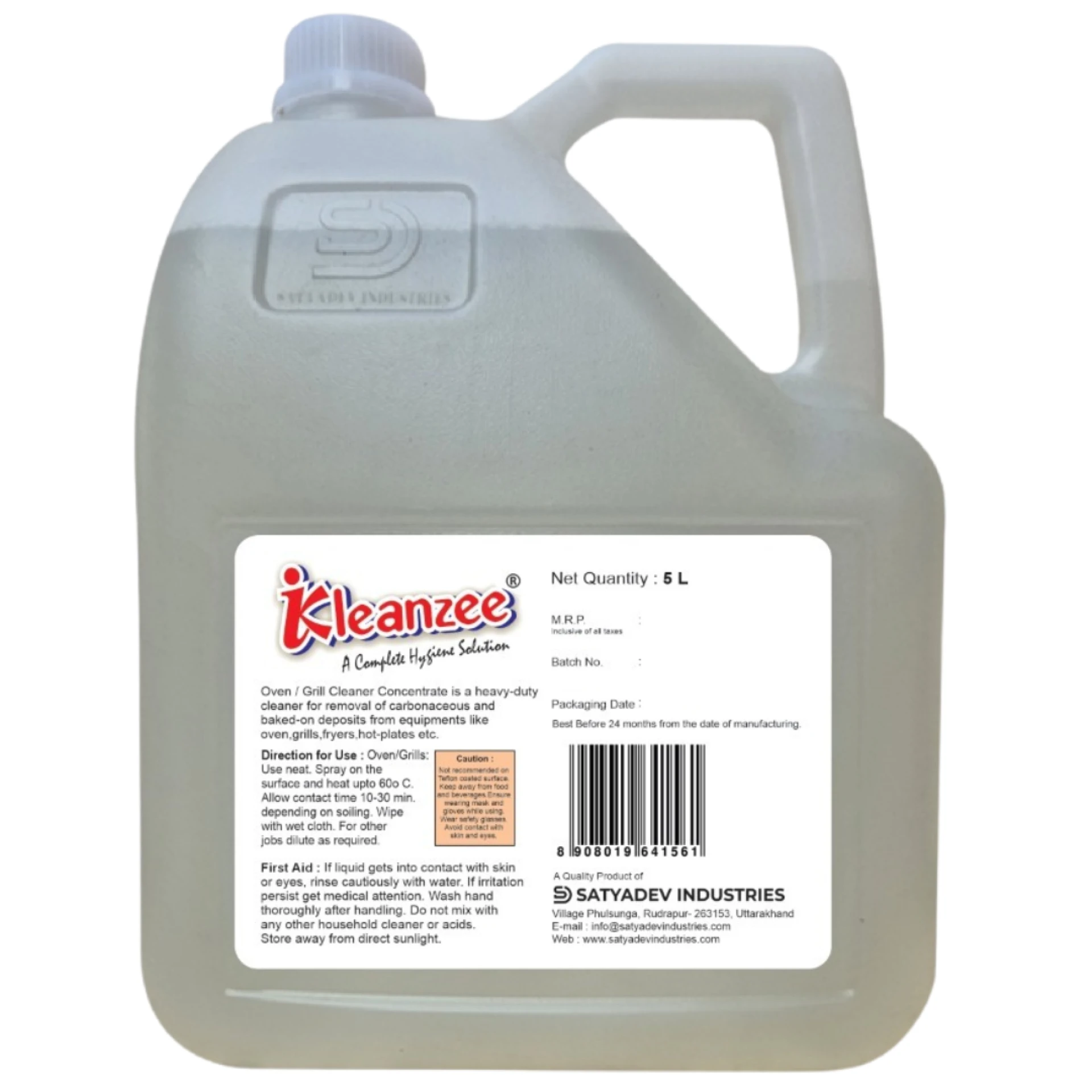
- Ovens, grills, and exhaust systems
- Industrial floors and machinery
Heavy-duty alkaline degreasers are widely used in food service and industrial environments to reduce manual scrubbing and improve hygiene.
3. Neutral Cleaning Chemicals
Neutral cleaners have a balanced pH and are suitable for daily maintenance cleaning.
Common applications:
- Marble and granite floors
- Tiles and vinyl flooring
- Furniture and painted surfaces
Because they are mild and surface-safe, neutral cleaners are ideal for hotels, offices, and residential complexes where frequent cleaning is required.
4. Solvent-Based Cleaners
Solvent cleaners dissolve substances that water-based cleaners cannot remove, including:
- Adhesives
- Ink and paint
- Industrial grease and oil
Common applications:
- Workshops and factories
- Equipment maintenance
- Printing and manufacturing units
These chemicals must be handled carefully due to flammability and ventilation requirements.
5. Disinfectants and Sanitizers
Disinfectants are designed to kill or deactivate microorganisms, including bacteria and viruses.
Common applications:
- Hospitals and clinics
- Food preparation areas
- Public washrooms and high-touch surfaces
Disinfectants require correct dilution and contact time to be effective. Overuse does not improve performance and may cause health or surface issues.
Cleaning Chemical Concentrates vs Ready-to-Use Products
Professional facilities increasingly prefer concentrated cleaning chemicals.
ParameterConcentratesReady-to-UseCost per useLowHigherStorage spaceMinimalLargeDilution controlAdjustableFixedIdeal forCommercial & industrialHousehold
Concentrates provide better cost control and flexibility when managed properly.
Industrial vs Household Cleaning Chemicals
FeatureHouseholdIndustrialStrengthMildHeavy-dutyUsage scaleSmallLargeCost efficiencyLowerHigherTraining requiredMinimalEssential
Large facilities benefit significantly from industrial-grade formulations due to consistency and performance.
How to Choose the Right Cleaning Chemical
1. Identify the Surface
Different surfaces react differently to pH levels. For example:
- Marble prefers neutral cleaners
- Toilets require acidic cleaners
2. Understand the Soil Type
- Grease → Alkaline
- Mineral stains → Acidic
- Light dust → Neutral
3. Prioritize Safety
Select products with:
- Clear labeling
- SDS availability
- Defined dilution instructions
4. Evaluate Cost vs Performance
High-quality concentrates clean more area with less product, reducing long-term costs.
Safety Considerations When Using Cleaning Chemicals
When used correctly, professional cleaning chemicals are safe. Risks arise from improper handling.
Common mistakes include:
- Mixing incompatible chemicals
- Over-concentration
- Using the wrong product on sensitive surfaces
- Ignoring protective equipment
Best practices:
- Follow manufacturer instructions
- Wear gloves and eye protection when required
- Ensure proper ventilation
- Store chemicals securely and separately
Eco-Friendly and Sustainable Cleaning in 2026
Sustainability is no longer optional. Many facilities now choose:
- Biodegradable formulations
- Low-VOC products
- Concentrates to reduce packaging waste
Eco-friendly cleaning chemicals support green building certifications, improve indoor air quality, and protect worker health while maintaining performance.
Professional Cleaning in Hotels, Hospitals, and Industries
Hotels
Focus on appearance, odor control, and guest safety using mild but effective cleaners.
Hospitals
Require strict infection control with validated disinfectants and documented cleaning protocols.
Industries
Depend on powerful degreasers and specialty cleaners that do not damage equipment or disrupt operations.
Each sector requires customized chemical programs, not generic solutions.
Training, Monitoring, and Quality Assurance
Cleaning success depends on people as much as products.
- Task-based training ensures correct chemical usage
- Checklists and logs improve accountability
- Performance testing verifies hygiene outcomes
Modern cleaning programs use audits and data to drive continuous improvement.
Procurement and Supplier Selection
Choosing the right supplier ensures:
- Consistent product quality
- Regulatory compliance
- Technical support and training
Long-term partnerships with reliable manufacturers reduce operational risk and improve hygiene consistency.
Conclusion: Choosing the Right Cleaning Chemicals in 2026
Effective cleaning in 2026 is not about using the strongest chemical—it is about using the right chemical, in the right way, for the right purpose. Proper selection, dilution, training, and monitoring lead to safer environments, lower costs, and long-term asset protection.
Professional cleaning chemicals remain the foundation of modern hygiene management. Organizations that invest in quality products, trained personnel, and structured programs will meet rising hygiene expectations while operating safely, efficiently, and sustainably.