Camping across Australia offers an opportunity to explore beautiful landscapes, enjoy peaceful surroundings and spend quality time outdoors. However, responsible camping involves more than choosing the right location and packing essential equipment. Managing waste properly is equally important to keeping campsites clean, protecting wildlife and preserving natural environments.
Whether you are travelling with a camper trailer, caravan, motorhome or tent, having a reliable waste management plan can make your outdoor experience more comfortable and environmentally responsible.
Why Is Proper Waste Management Important When Camping?
Every camping trip generates different types of waste, including food packaging, leftover food, wastewater and toilet waste. If these materials are disposed of incorrectly, they can create unpleasant odours, attract wildlife and contaminate nearby water sources.
Responsible waste management helps maintain campsite hygiene while reducing the environmental impact of outdoor activities. Following simple disposal practices also ensures that other campers can enjoy the same locations without encountering rubbish or pollution.
Understanding Toilet Holding Tanks
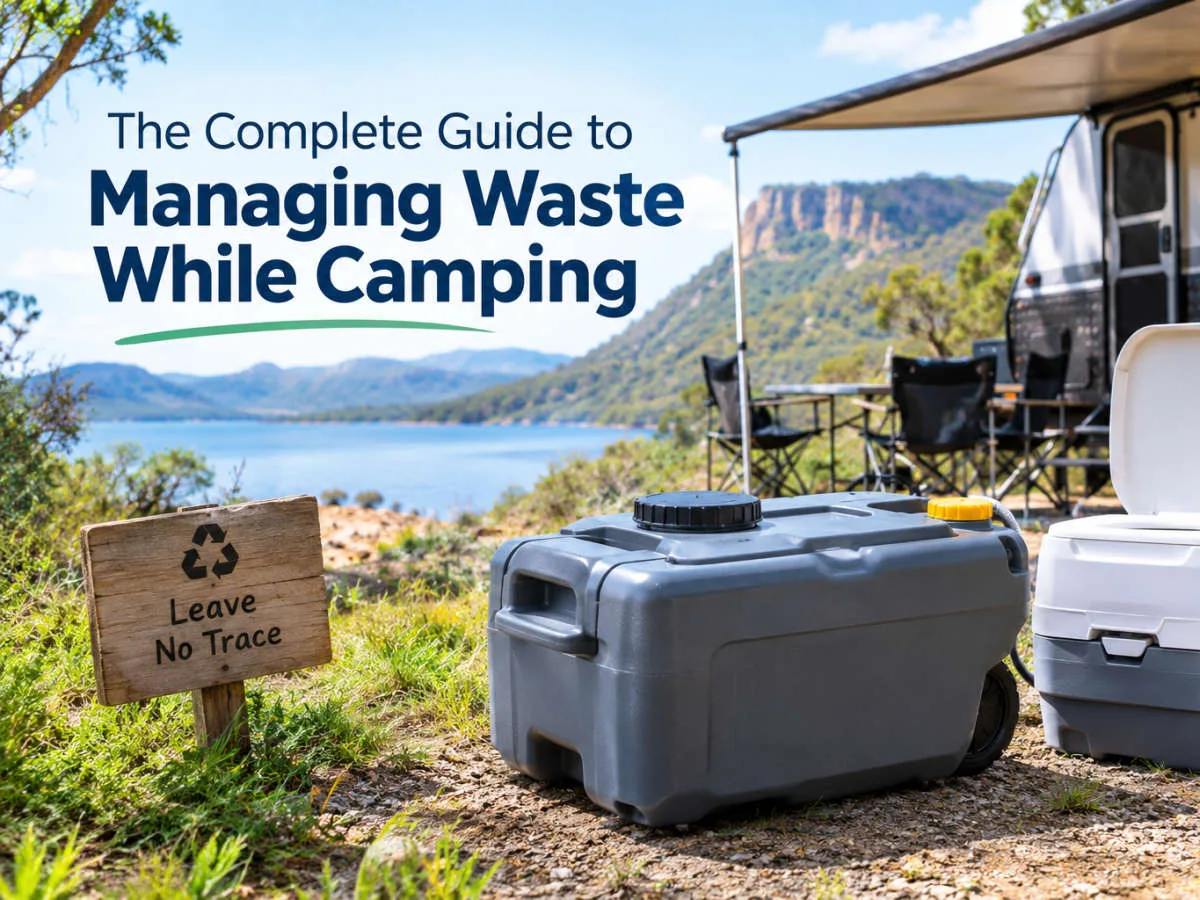
A RV toilet holding tank is a sealed container designed to collect and store toilet waste until it can be emptied at an authorised dump station. It prevents waste from leaking into the surrounding environment and helps maintain better sanitation at campsites.
There are two common types of holding tank systems:
1. Built-in RV Holding Tanks
Caravans and motorhomes often have built-in waste management systems. These generally include two separate tanks:
- Black water tank: Stores toilet waste.
- Grey water tank: Collects wastewater from sinks and showers.
Monitoring tank levels regularly helps prevent overfilling and makes it easier to plan when disposal is required.
2. Portable Waste Holding Tanks
Portable holding tanks are useful for tent campers, van travellers and people staying at campsites without direct sewer connections. These tanks can also help caravan owners transport waste to a dump station without moving their entire vehicle.
When choosing a portable tank, consider its capacity, weight when full, wheels and handling convenience.
How to Empty a Camping Waste Holding Tank Safely
Emptying a holding tank becomes straightforward when you follow the correct procedure.
- Wear disposable gloves before handling waste equipment.
- Take the tank to an authorised dump station.
- Securely connect the appropriate waste hose.
- Empty the black water tank first, where applicable.
- Empty the grey water tank afterwards to help rinse the hose.
- Rinse the tank using fresh water if facilities are available.
- Close all valves, clean the equipment and wash your hands thoroughly.
Never dispose of toilet waste on the ground, in streams, fire pits or ordinary drains. Always use designated disposal facilities and follow local camping regulations.
Essential Tips for Maintaining Your Camping Waste System
Regular maintenance helps prevent blockages, unpleasant smells and unnecessary cleaning problems.
Use sufficient water: Ensure enough water is used when flushing to help waste move through the system and reduce the risk of solid build-up.
Choose suitable tank treatments: Use products specifically designed for camping toilet systems to help manage waste breakdown and unpleasant odours.
Use compatible toilet paper: RV-safe or septic-safe toilet paper is designed to break down more readily and can help reduce the risk of blockages.
Clean holding tanks regularly: Periodic rinsing helps remove residue and supports more accurate tank sensor readings.
Check tank levels: Avoid waiting until the system is completely full before arranging disposal.
Managing Other Types of Camping Waste
Toilet waste is only one part of responsible campsite management. Everyday camping activities also produce rubbish and wastewater that need proper handling.
- General rubbish: Store rubbish in secure bags and dispose of it in designated bins. If facilities are unavailable, take it home.
- Food scraps: Never leave leftover food or fruit peels around campsites, as they can attract wildlife and disrupt natural animal behaviour.
- Grey water: Avoid releasing washing water into rivers, lakes or streams. Use designated disposal facilities or follow the campground's permitted disposal arrangements.
Following Leave No Trace principles helps protect Australia's natural environments and keeps outdoor spaces enjoyable for future visitors.
Common Waste Management Mistakes to Avoid
Even experienced campers can make mistakes when managing waste systems. Leaving a black water tank valve open continuously can allow liquids to escape while solids accumulate inside the tank.
Using harsh chemicals such as bleach may also damage rubber seals and other system components. Instead, choose suitable camping toilet treatments.
Another common mistake is delaying tank disposal for too long. Plan regular emptying and carry essential supplies such as disposable gloves, spare hoses and tank treatments.
Make Every Camping Adventure Cleaner and More Comfortable
Effective waste management is an essential part of responsible camping. From selecting the right holding tank to maintaining portable toilets and disposing of rubbish correctly, small habits can make a significant difference.
Before your next Australian road trip, ensure your camper trailer or caravan is equipped for practical waste management. Planning ahead helps maintain campsite hygiene, protects wildlife and makes travelling more enjoyable.
For camping enthusiasts looking to prepare their setups for outdoor adventures, Trailer Camper Australia (TCA) is a brand to explore when considering camper trailer solutions and camping equipment. A well-prepared setup, combined with responsible waste disposal, helps make every journey more comfortable and environmentally conscious.
Original Source : https://www.herotraveler.com/trailercamperaustralia/story/the-complete-guide-to-managing-waste-while-camping