
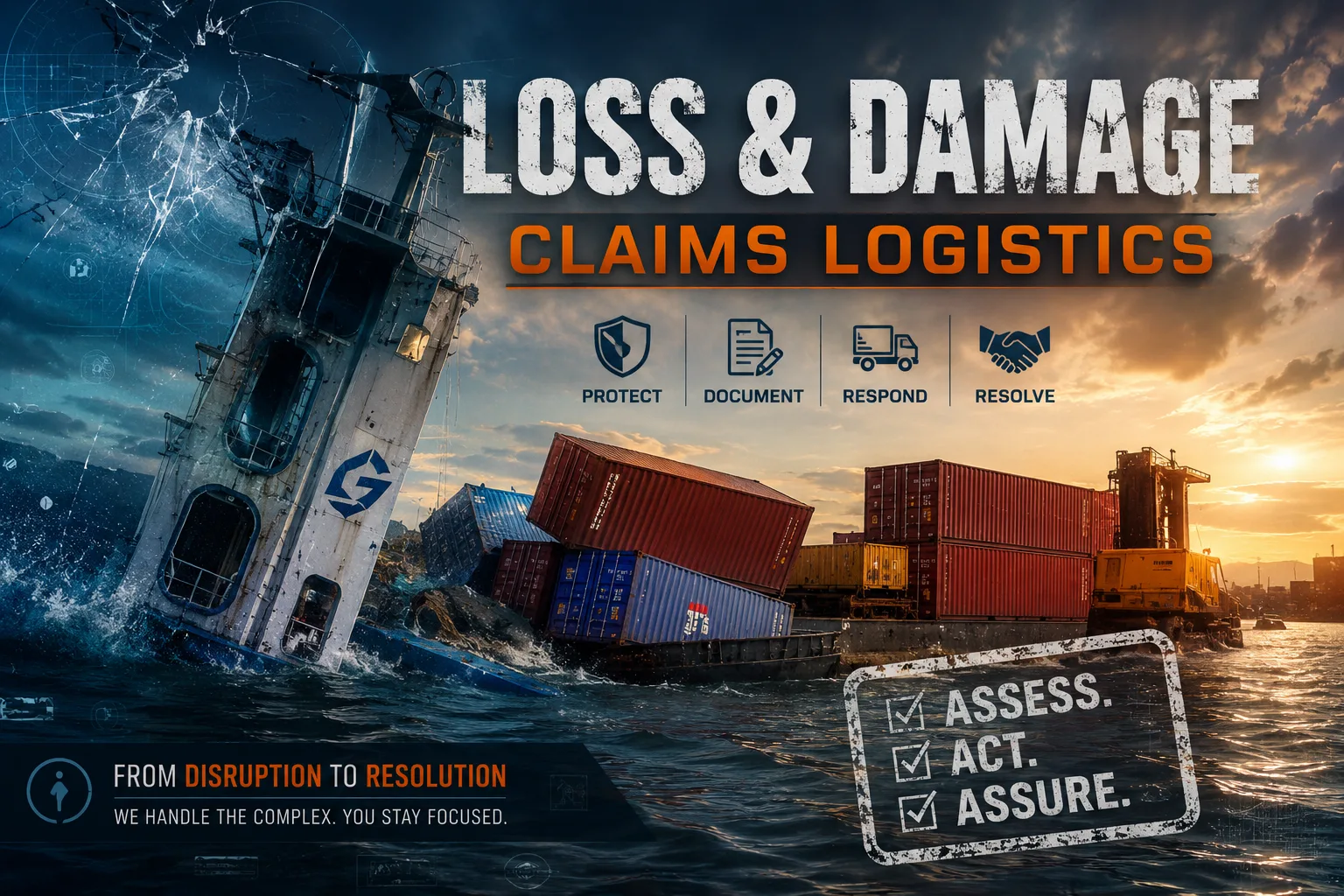
Shipping goods across long distances always carries risk, and every business involved in freight movement eventually deals with damaged or missing shipments. Understanding loss and damage claims logistics is essential for companies that want to protect their bottom line and maintain strong relationships with carriers and vendors. This guide walks through the entire process, from the moment damage is discovered to the final resolution of a claim, so your team can handle these situations with confidence.
Understanding Loss and Damage in Freight Shipping
Loss and damage claims arise when goods arrive at their destination in a condition different from how they were shipped, or when items go missing entirely during transit. This can happen due to poor handling, inadequate packaging, weather conditions, accidents, or theft. Every shipment moving through a supply chain passes through multiple hands, warehouses, and vehicles, and each transfer point introduces a chance for something to go wrong. Recognizing the common causes helps businesses build stronger prevention strategies while also preparing them to respond quickly when an issue does occur.
Why Freight Contracts Matter in the Claims Process
Before any claim can be filed successfully, it is important to understand the terms outlined in freight contracts. These documents define liability limits, carrier responsibilities, and the specific conditions under which a claim can be honored. A freight contract typically spells out timeframes for reporting damage, documentation requirements, and the maximum compensation a shipper can expect to recover. Businesses that review their freight contract details carefully before shipping are far better positioned to file a claim that holds up during review. Skipping this step often leads to denied claims simply because the paperwork did not align with contractual obligations.
Steps to File a Loss and Damage Claim
The claims process generally begins with a thorough inspection of the shipment upon arrival. Any visible damage should be documented immediately with photographs and written notes. Next, the receiving party should notify the carrier and shipper as soon as possible, since delayed reporting can weaken the validity of a claim. Supporting documents such as the bill of lading, packing list, and delivery receipt should be gathered together in one file. Once the paperwork is complete, the claim can be submitted to the carrier or their insurance provider for review. Staying organized throughout this stage prevents unnecessary delays and reduces the chance of a claim being rejected due to missing information.
The Role of Freight Bill Audit and Invoice Accuracy
A consistent freight bill audit practice plays a valuable role in supporting the claims process. Auditing invoices regularly helps businesses catch billing errors, duplicate charges, and inconsistencies that might otherwise go unnoticed. When a loss or damage claim is filed, having accurate billing history readily available strengthens the overall case and speeds up resolution. A freight invoice audit also helps identify patterns, such as recurring damage from a specific carrier or route, which can inform future shipping decisions and contract negotiations. Companies that treat auditing as an ongoing practice rather than a reactive task tend to recover claims faster and with fewer disputes.
Common Challenges Businesses Face
Many companies struggle with claims because of incomplete documentation, missed deadlines, or unclear communication with carriers. Some businesses also lack a centralized system to track claims from start to finish, leading to lost paperwork and forgotten follow ups. Without a dedicated process in place, teams may find themselves juggling spreadsheets, emails, and phone calls just to keep track of a single claim. This lack of structure often results in lower recovery rates and wasted time that could be spent on other operational priorities.
Best Practices for Smoother Claims Management
Building a repeatable process is the key to managing claims efficiently. This includes training staff to inspect shipments properly, keeping digital records of every transaction, and setting internal deadlines that align with carrier requirements. Partnering with logistics experts who specialize in claims management can also make a significant difference, since they understand carrier policies and know how to negotiate for fair settlements.
Take Control of Your Claims Process Today
Managing loss and damage claims does not have to be a constant source of stress for your business. With the right approach to documentation, contract review, and auditing, your team can recover losses faster and reduce future risk. If you are ready to simplify your logistics claims process and gain better visibility into your freight spend, reach out to nVision Global today and discover how expert support can transform the way your business handles claims management.