
You’ve booked the flights, confirmed your accommodation, and packed your bags. Then the familiar knot tightens in your chest. Your dog is pacing near the hallway, completely unaware they won’t be coming along. Finding a place where they’ll be genuinely safe, mentally stimulated, and properly cared for is stressful. The search for reliable Kennels in Auckland wide can feel like wading through polished websites and vague marketing promises. After years working in canine care, observing boarding operations behind closed doors, and helping hundreds of owners navigate this exact dilemma, I can tell you the glossy photos rarely tell the full story. Let’s cut through the noise and look at what truly matters when you’re handing over your dog’s lead to someone else.
What Actually Makes Kennels Auckland Facilities Stand Out?
Most first-time boarders walk into a facility and immediately judge the sleeping quarters. That’s a fundamental mistake. A dog’s holiday experience isn’t defined by where they rest—it’s dictated by what happens during the waking hours. The best operations across Auckland understand that boarding is a full-day psychological and physical commitment, not just overnight accommodation.
The Psychology of Canine Enrichment
A dog with nothing to do becomes an anxious, destructive, or depressed dog. Look for facilities that offer structured enrichment beyond basic supervised play. Scent work, puzzle feeders, decompression walks, and even simple foraging games where kibble is scattered in long grass engage a dog’s natural drives far more effectively than an hour of running in circles.
I’ve seen nervous rescues transform completely when handlers introduced scent trails. The mental fatigue from using their nose settles a dog’s nervous system faster than physical exercise alone. Ask potential facilities exactly how they fill the midday lull. If the answer is “they sleep in their runs,” keep looking.
Staffing Ratios and Conflict Resolution
You can tell everything about a facility by watching how staff interact with dogs when they think owners aren’t watching. Do handlers kneel to greet a nervous dog at eye level? Do they use calm, predictable body language? More importantly, how do they handle tension?
A professional handler spots the subtle warning signs long before a scuffle erupts: stiff posture, whale eye, lip curling, or resource guarding. They don’t yell or grab collars. They redirect, separate calmly, and document the incident. Ask about staff-to-dog ratios during peak play hours. Anything above 1:10 in a group setting is pushing it, and that number should drop significantly for mixed-temperament groups.
Auckland’s Climate and Facility Design
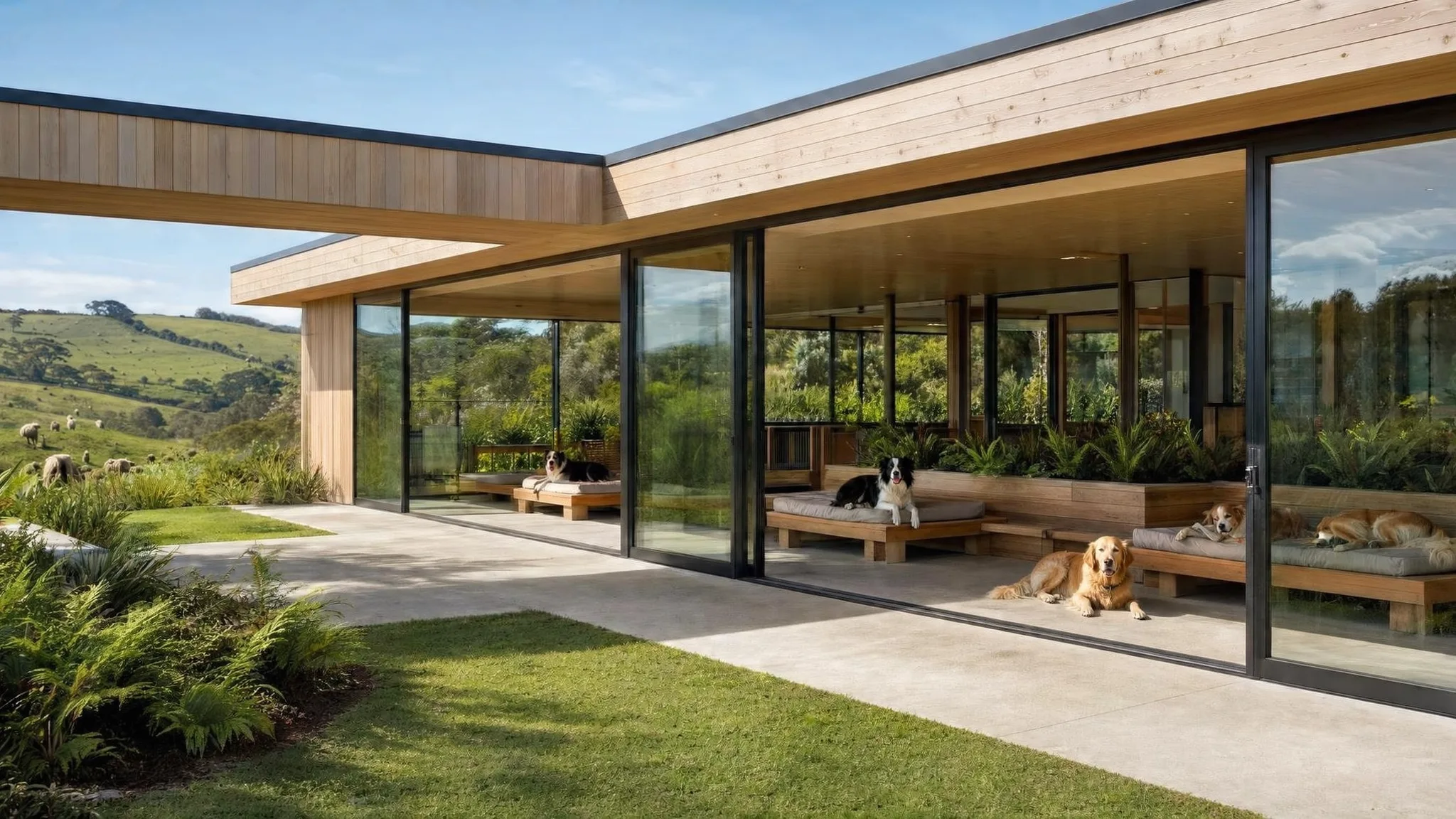
Our weather is notoriously unpredictable. Summer brings scorching UV, while winter delivers relentless dampness. A well-designed facility accounts for both. Look for deep roof overhangs, proper drainage that prevents puddles, and indoor-outdoor flow so dogs aren’t forced into cramped spaces during sudden downpours.
Flooring matters more than you’d think. Bare concrete is brutal on paw pads and exacerbates arthritis in older dogs. Quality operations use textured, slip-resistant surfaces paired with raised, washable bedding. Ventilation is equally critical. Poor airflow breeds respiratory pathogens and traps ammonia from urine. Modern facilities run commercial-grade extraction systems that cycle fresh air constantly, keeping humidity low and air quality high.
Why Location Changes the Boarding Experience
Geography plays a surprisingly large role in how your dog settles. When you look at Kennels in West Auckland properties, the difference is immediately noticeable. The region’s lifestyle blocks, rolling hills, and native bush corridors allow facilities to trade industrial layouts for spacious, purpose-built environments. Dogs get real grass under their paws, cleaner air, and the psychological benefit of open sightlines.
Properties out toward Riverhead, Kumeū, or Coatesville typically offer larger paddocks, better natural drainage, and the ability to rotate play zones daily. This rotation prevents habituation and keeps dogs engaged. City-adjacent facilities often work with tighter footprints, which can still work brilliantly for short stays or highly social dogs, but they rely heavily on indoor enrichment and structured group management.
Don’t let distance dictate your choice. A forty-minute drive is irrelevant if the facility provides exceptional care, but if two options are equally matched, the extra space out west often translates to a calmer, more rested dog.
Step-by-Step Guide to Vetting a Boarding Facility
You wouldn’t buy a house without an inspection. Don’t book a boarding facility without a systematic check. Here’s a practical framework that covers what most owners overlook.
The Phone Screen Protocol
Before you visit, call and ask three specific operational questions:
- “What’s your exact protocol if a dog stops eating for twenty-four hours?”
- “How do you manage a dog that starts resource-guarding toys or food bowls?”
- “What’s your vaccination window, and do you accept physical proof or just verbal confirmation?”
Listen to the confidence and clarity of the response. A professional operation will have documented protocols ready to explain. Vague answers like “we just keep an eye on them” or “it rarely happens” are immediate red flags.
The On-Site Observation Checklist
Schedule a tour, but aim for a busy transition window. Drop-off mornings (7:30–9:00 AM) or pickup afternoons (3:30–5:00 PM) show how staff manage stress, multiple arrivals, and barking dogs simultaneously. Watch for:
- Clean water stations that aren’t shared between groups
- Separate zones for shy or senior dogs
- Staff using leashes correctly in shared corridors
- A visible “quiet room” for dogs needing decompression
- How they handle a dog that refuses to come inside
Paperwork and Emergency Readiness
Ask to see their health and safety documentation, insurance certificate, and emergency evacuation plan. A legitimate facility will share these without hesitation. Their booking form should request detailed medical history, dietary restrictions, behavioural triggers, and at least two emergency contacts. If the form is a single page with basic checkboxes, the operation likely lacks depth in individualised care.
Common Mistakes That Sabotage Your Dog’s Stay
Even seasoned owners fall into these traps. Avoid them and your dog’s experience improves dramatically.
Overpacking Sentimental Items
That expensive orthopaedic bed or plush toy collection will likely be destroyed. Commercial kennels wash bedding daily at high temperatures using industrial detergents. Pack one worn t-shirt or pillowcase that smells like home. It provides familiar comfort without risking loss or damage.
Changing the Diet at Drop-Off
A stressed dog in an unfamiliar environment with suddenly different food is a recipe for gastrointestinal upset. Keep their diet identical. Pre-portion meals in labelled zip-lock bags, noting exact feeding times and any supplements. If you’re switching brands, do it at least three weeks before boarding.
Skipping the Vaccination Window
The bordetella (kennel cough) vaccine is often administered separately from the annual C5. Most reputable facilities require it to be given 10–14 days prior to boarding for full immunity. Check your dog’s records early. Don’t wait until the night before your flight.
Hiding Behavioural Quirks
“He’s never done that before” is the phrase staff dread hearing after an incident. If your dog dislikes large black breeds, guards their bowl, or panics during thunderstorms, disclose it upfront. A quality facility will adjust play groups, feeding routines, or sleeping locations to accommodate those needs. Transparency keeps everyone safe.
Frequently Asked Questions
How far in advance should I book?
For standard weekends, two to three weeks usually suffices. For Christmas, Easter, school holidays, or public long weekends, secure your spot three to four months ahead. High-demand facilities fill their holiday rosters by October.
What vaccinations are mandatory?
Most Auckland operations require a current C5 vaccine, with the bordetella component administered within the last 12 months. Flea, tick, and intestinal worm treatments should also be current. Bring your vet’s vaccination certificate to drop-off.
Can I check in on my dog remotely?
Many modern facilities offer daily photo updates or dedicated booking portals. Some provide live camera access, though others intentionally limit this to avoid distracting staff from active supervision. Ask about their communication policy during booking.
What happens if my dog needs emergency vet care?
You’ll sign a veterinary authorisation form during booking. This allows staff to transport your dog to their partnered clinic or your nominated vet without waiting for your approval. Always list an emergency contact who can authorise treatment and cover costs if you’re unreachable.
How do I handle post-boarding behaviour?
Expect your dog to sleep heavily for 24–48 hours. Group play, constant stimulation, and new environments are mentally exhausting. Offer fresh water, keep meals slightly smaller for the first day, and allow quiet decompression. Temporary clinginess or mild house-soiling is normal and usually resolves within 48 hours.
Final Thoughts and Actionable Takeaways
Choosing the right Kennels in Auckland owners trust comes down to transparency, staff competence, environmental design, and genuine respect for canine psychology. Book early, ask the uncomfortable questions, and schedule a trial stay before committing to a long holiday. Watch how dogs behave in the yards, not just how clean the reception desk is. Pay attention to staff body language, ventilation quality, and enrichment routines.
When evaluating options, prioritise operations that structure their intake around temperament assessments rather than just availability. Some facilities, like the team operating at K9 Heaven, have built their booking and care models around individualised temperament mapping, which significantly reduces stress for both dogs and handlers.
Your dog will adapt beautifully if the environment supports their natural needs. Trust your instincts during the tour. If something feels rushed, overly sterile, or dismissive of your questions, walk away. The right facility will welcome your scrutiny because they know their standards can withstand it. Prepare thoroughly, communicate clearly, and leave with confidence knowing your companion is in capable, caring hands