A gold bracelet is one of the most versatile and enduring pieces of jewellery you can own. It works equally well as an everyday accessory, a thoughtful gift, or a statement piece for a special occasion. But with so many styles, gold types, and price points available, knowing where to start can feel overwhelming.
This complete guide covers everything you need to know before buying a gold bracelet — from understanding karat purity and gold colours to choosing the right style for your wrist. Whether you are buying for yourself or someone special, you will finish this guide ready to make a confident, informed decision.
Understanding Gold Purity: What Karat Means for a Gold Bracelet
The first thing to understand when buying a gold bracelet is karat — the measure of how much pure gold the piece contains. Pure gold is 24 karats, but it is too soft to wear daily, so it is always alloyed with other metals for strength.
Here is what each karat means for a gold bracelet:
24 karat (99.9% gold) — Pure gold, intensely yellow, but far too soft for everyday jewellery. Rarely used in bracelets as it bends and scratches easily.
22 karat (91.7% gold) — Very high gold content, rich colour, and still relatively soft. Common in traditional Indian and Middle Eastern jewellery, including ceremonial gold bracelets.
18 karat (75% gold) — The sweet spot for fine jewellery. An 18k gold bracelet offers a rich, warm colour, excellent durability, and is the standard choice for luxury and designer pieces.
14 karat (58.3% gold) — The most popular karat in the US and UK for everyday wear. A 14k gold bracelet is highly durable, more affordable than 18k, and still carries a beautiful gold tone.
9 karat (37.5% gold) — The most affordable option and the minimum standard for gold jewellery in the UK. A 9k gold bracelet is the most durable of all karats due to its high alloy content, but has a paler yellow tone.
Which karat should you choose? For a gold bracelet worn daily, 14k or 18k offers the best balance of beauty, durability, and value. If you are buying a special-occasion or heirloom piece, 18k or 22k delivers a richer appearance and higher intrinsic value.
Gold Colours: Yellow, White, and Rose Gold Bracelets
Gold bracelets come in three main colour options, each created by varying the metals mixed with pure gold.
Yellow gold bracelet — The most traditional and recognisable option. Yellow gold bracelets have a warm, classic tone that suits all skin tones and never goes out of style. They require the least maintenance of the three colours.
White gold bracelet — Created by alloying gold with white metals such as palladium or nickel, then typically plated with rhodium for a bright, silvery finish. A white gold bracelet looks sleek and modern, pairs beautifully with diamonds, and suits cooler skin tones particularly well. Note that rhodium plating wears over time and may need reapplication every few years.
Rose gold bracelet — Made by alloying gold with copper, rose gold has a warm, pinkish hue that has grown enormously in popularity over the past decade. A rose gold bracelet is romantic, flattering on warm and olive skin tones, and gives a contemporary feel to any outfit.
There is no single best colour — it comes down entirely to personal style and what complements your skin tone and wardrobe.
Popular Gold Bracelet Styles
Once you have settled on karat and colour, the style of the gold bracelet is your next decision. The style you choose should reflect both your personal taste and how you plan to wear it.
Chain bracelet — One of the most popular and versatile gold bracelet styles. Chain bracelets come in dozens of link patterns — from the classic cable chain and elegant figaro to the bold curb chain and the delicate Singapore chain. They range from dainty everyday pieces to chunky statement bracelets.
Bangle bracelet — A solid or hollow rigid ring that slips over the wrist. Gold bangles are timeless, stack beautifully, and are a staple in both Western and South Asian jewellery traditions. Hollow bangles are lighter and more affordable; solid bangles are heavier and more valuable.
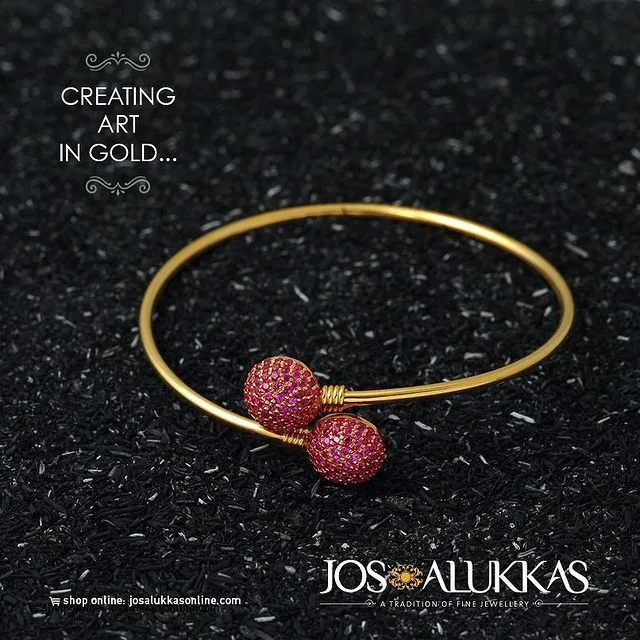
Cuff bracelet — An open-ended, rigid band that wraps around the wrist without a clasp. Gold cuffs make a bold style statement and are easy to put on and take off. They range from slim, minimalist designs to wide, engraved statement pieces.
Tennis bracelet — A flexible line of diamonds or gemstones set in a gold bracelet, running continuously around the wrist. Tennis bracelets are elegant and sophisticated, commonly worn for formal occasions.
Charm bracelet — A gold bracelet fitted with a chain and attachment points for individual charms. Charm bracelets are deeply personal and can be built up over time to tell a story.
ID bracelet — A flat rectangular plate on a chain or link band, traditionally engraved with a name or message. Gold ID bracelets have made a strong style comeback and are popular as personalised gifts.
How Much Should You Spend on a Gold Bracelet?
The price of a gold bracelet depends on four main factors: karat, gold colour, weight (measured in grams), and craftsmanship. A simple 9k gold chain bracelet can start from as little as £80–£150, while a hand-crafted 18k solid gold bangle from a designer house can cost several thousand pounds.
As a rough guide for the UK market:
- Budget: £80–£300 — 9k or 14k gold chain or slim bangle
- Mid-range: £300–£1,000 — 14k or 18k gold bracelet with more weight or detail
- Luxury: £1,000 and above — 18k or 22k solid pieces, designer brands, or diamond-set styles
Gold is priced by weight, so heavier bracelets cost more regardless of style. When comparing prices, always check the gram weight listed in the product description — it is the most honest indicator of material value.
What to Look for When Buying a Gold Bracelet
Not all gold bracelets are created equal. Here is what to check before you buy:
Hallmark — In the UK, all gold jewellery sold above a certain weight must carry an official hallmark from an Assay Office. The hallmark confirms the karat and the metal purity. Never buy a gold bracelet without verifiable hallmarking.
Clasp quality — The clasp is the most vulnerable part of any bracelet. A lobster claw clasp is the gold standard for security. Box clasps and toggle clasps are stylish but less secure for heavy daily wear. Always test the clasp before purchasing in store.
Chain thickness — For chain-style gold bracelets, thicker links are more durable. Very fine chains, while beautiful, are prone to kinking and breaking with regular wear. Check the millimetre width listed in the product specifications.
Solid vs hollow — Hollow gold bracelets are lighter and more affordable but dent more easily. Solid gold bracelets are heavier, more durable, and hold their value better over time.
Brand and retailer reputation — Buy from established jewellers with clear return policies, independent reviews, and transparent material information. Reputable online retailers will always list karat, gram weight, and dimensions clearly.
How to Care for Your Gold Bracelet
A well-made gold bracelet can last decades with the right care. Follow these simple steps to keep it looking its best:
Clean regularly: Mix a few drops of mild dish soap in warm water and soak your gold bracelet for 15–20 minutes. Gently scrub with a soft toothbrush, rinse under clean water, and pat dry with a soft cloth. Do this once a month for everyday pieces.
Store properly: Keep your gold bracelet in a soft pouch or a lined jewellery box, away from other pieces that could scratch it. Chains in particular should be stored flat or hung to prevent tangling.
Avoid chemicals: Remove your gold bracelet before swimming in chlorinated pools, applying perfume or sunscreen, or doing household cleaning. Chemicals dull the surface finish and can damage alloy metals over time.
Annual check-up: Visit your jeweller once a year to have the clasp and links professionally inspected. Catching a weakening link or a worn clasp early prevents losing the bracelet entirely.
Final Thoughts
A gold bracelet is a purchase that combines beauty, craftsmanship, and lasting value. Whether you choose a delicate everyday chain, a stack of fine bangles, or a bold statement cuff, the best gold bracelet is the one that fits your style, suits your lifestyle, and is made to last.
Start with the karat that balances quality and budget, choose a colour that complements your skin tone, and always buy from a hallmarked, reputable source. With the right knowledge, finding your perfect gold bracelet is a genuinely enjoyable experience — not an overwhelming one.
Take your time, compare your options, and remember: a good gold bracelet never goes out of style.