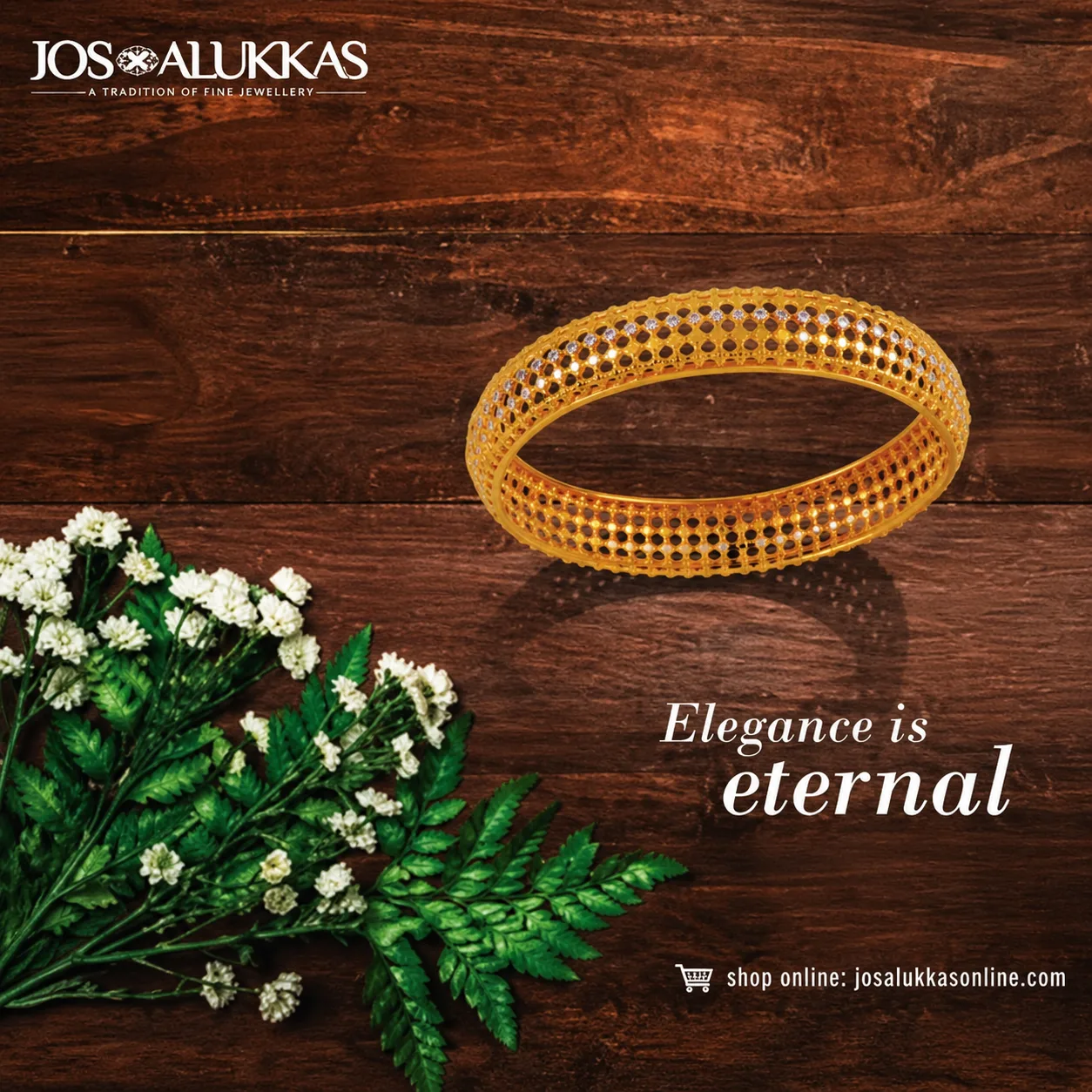
A gold bangle is one of the most iconic and beloved jewellery pieces in the world. From the delicate single bangle worn quietly on the wrist to a bold stack of traditional bangles that chime with every movement, this timeless accessory has been cherished across cultures and generations for thousands of years.
Whether you are buying your first gold bangle, adding to an existing collection, or searching for a meaningful gift, this guide covers everything — karat, gold colours, styles, sizing, pricing, and care. By the time you finish reading, you will know exactly what to look for and feel completely confident making your purchase.
What Makes a Gold Bangle Different from Other Bracelets
Before diving into the details, it helps to understand what sets a gold bangle apart from other bracelet styles. Unlike chain bracelets or cuffs, a gold bangle is a rigid, circular band with no clasp. It slips over the hand and rests on the wrist, staying in place through its own circular structure.
This simple design is part of what makes the gold bangle so enduring. There is no clasp to break, no chain links to kink, and no hinge to wear out. A well-made gold bangle is quite literally built to last a lifetime — and often passed down through generations as a family heirloom.
Gold bangles come in two main forms: solid and hollow. Solid gold bangles are heavier, more valuable, and more durable. Hollow gold bangles are lighter on the wrist and more affordable, but can dent if dropped or knocked against hard surfaces. Both are beautiful — your choice depends on budget and how you plan to wear it.
Understanding Karat Purity in a Gold Bangle
Just as with any gold jewellery, the karat of a gold bangle tells you how much pure gold the piece contains. This directly affects the colour, durability, and price of the bangle.
24 karat (99.9% pure gold) — The purest form of gold, with a deep, intense yellow colour. A 24k gold bangle is extremely rare in Western markets because pure gold is too soft for everyday wear — it will scratch and deform easily. More commonly seen in ceremonial contexts.
22 karat (91.7% pure gold) — Rich in colour and still relatively soft. A 22k gold bangle is the traditional standard across South Asia and the Middle East, where high-purity gold jewellery is deeply culturally significant. These bangles carry strong intrinsic value and are often bought as investment pieces.
18 karat (75% pure gold) — The premium choice for fine jewellery in Europe and the US. An 18k gold bangle offers a beautifully warm colour, excellent durability, and a luxurious feel. This is the standard for designer and luxury-brand gold bangles.
14 karat (58.3% pure gold) — Highly popular in the US for everyday jewellery. A 14k gold bangle is more durable than higher karat options, more resistant to scratching, and considerably more affordable — making it an excellent choice for a bangle you plan to wear daily.
9 karat (37.5% pure gold) — The entry-level standard in the UK. A 9k gold bangle is the most hardwearing of all, with the highest proportion of alloy metals giving it extra strength. The colour is paler and cooler than higher karat options, but the price point makes it accessible.
For a gold bangle intended for daily wear, 14k or 18k is the ideal range. For a traditional, high-value, or heirloom bangle, 22k is the culturally significant and intrinsically valuable choice.
Gold Bangle Colours: Yellow, White, and Rose
Gold bangles are available in the same three colour families as other gold jewellery, each created by varying the metals alloyed with pure gold.
Yellow gold bangle — The most traditional and universally recognised. A yellow gold bangle has a warm, rich tone that suits every skin colour and carries the strongest cultural resonance across South Asian, Middle Eastern, African, and Western jewellery traditions. It requires no special maintenance to keep its colour.
White gold bangle — Created by alloying gold with palladium or nickel and finished with a rhodium plating for a bright, silver-white appearance. A white gold bangle looks contemporary and sleek, pairs beautifully with diamonds or coloured stones, and suits cooler and fairer skin tones particularly well. The rhodium plating will eventually wear and may need to be reapplied by a jeweller every few years.
Rose gold bangle — The warmest and most romantic of the three. A rose gold bangle gets its blush pink tone from a higher proportion of copper in the alloy. It has surged in popularity over the past decade for its modern, feminine aesthetic and flattering effect on warm and olive skin tones.
Whichever colour you choose, the gold bangle itself is the same quality — colour is purely an aesthetic decision.
Popular Gold Bangle Styles
Gold bangles come in a wide range of designs, from the plainest polished band to intricately engraved ceremonial pieces. Here are the most popular styles to consider:
Plain polished bangle — A smooth, unadorned gold bangle with a high-shine finish. This is the most classic and versatile style — it looks equally at home at the office, at a wedding, or stacked casually on a weekend. The simplicity of a plain gold bangle means it never dates and pairs with everything.
Twisted or rope bangle — A gold bangle formed from twisted strands of gold wire, giving it a textured, sculptural appearance. The rope bangle adds visual interest without sacrificing elegance.
Diamond-set bangle — A gold bangle featuring diamonds or gemstones set along the surface, either fully encircling the band or running along the top half. Diamond-set gold bangles are popular for formal occasions and anniversaries.
Engraved bangle — A gold bangle decorated with patterns, florals, or personalised text along the outer surface. Engraved bangles carry deep cultural significance in many traditions and make exceptional personalised gifts.
Hinged bangle — A gold bangle fitted with a hidden hinge and a snap clasp, making it easier to put on and take off than a standard slip-on bangle. Ideal for those with larger hands who find slipping a rigid bangle over the knuckles uncomfortable.
Kada — A thick, heavy gold bangle with cultural roots in Punjabi and Sikh traditions. The kada is typically 22k or higher, worn by men and women alike, and carries deep spiritual and cultural meaning.
Stacking bangle — A slim, lightweight gold bangle specifically designed to be layered in multiples. Stacking bangles are often sold in sets and are one of the most popular contemporary jewellery trends.
Getting the Right Size for Your Gold Bangle
Sizing is one of the most important — and most overlooked — aspects of buying a gold bangle. Because bangles have no clasp and must be slipped over the hand, the fit depends on the circumference of your hand at its widest point, not your wrist.
How to measure your gold bangle size:
- Bring your four fingers together and tuck your thumb into your palm, making your hand as narrow as possible — this is how a bangle slides on.
- Measure the circumference of your hand at the widest point (usually just below the knuckles) using a flexible tape measure or a strip of paper.
- Add 1–2cm to this measurement for comfort. This gives you your ideal internal circumference for a gold bangle.
Standard bangle sizes typically run from around 6cm (extra small) to 7cm (large) in internal diameter. Always check the internal diameter listed in a product's specifications before purchasing online.
If you are between sizes, size up rather than down. A slightly looser gold bangle is far more comfortable — and far easier to remove — than one that is too tight.
How Much Does a Gold Bangle Cost?
The price of a gold bangle is driven by weight, karat, craftsmanship, and any additional stones or engraving. As a broad guide for the UK market:
- Budget: £100–£350 — 9k hollow gold bangle, slim and lightweight
- Mid-range: £350–£1,200 — 14k or 18k gold bangle, moderate weight, plain or lightly engraved
- Luxury: £1,200 and above — 18k or 22k solid gold bangle, heavy, designer, or diamond-set
Because gold bangles are priced primarily by gram weight, always check the weight listed in the product description. Two bangles that look identical in photographs may differ significantly in price simply because one is hollow and one is solid.
For 22k traditional gold bangles, which are commonly sold by jewellers in South Asian markets, the price per gram is higher due to the elevated gold content — always verify the current gold spot price before making a large purchase.
How to Care for Your Gold Bangle
A gold bangle is one of the lowest-maintenance pieces of jewellery you can own, but a little regular care will keep it looking beautiful for decades.
Monthly cleaning: Fill a small bowl with warm water and a few drops of mild dish soap. Soak your gold bangle for 15–20 minutes, then gently scrub with a soft toothbrush to remove skin oils, lotion, and everyday grime. Rinse thoroughly under clean running water and dry with a soft, lint-free cloth. Never use abrasive cleaners or toothpaste — they will scratch the surface.
Proper storage: Store your gold bangle in a soft pouch or a lined jewellery box compartment. Keeping multiple bangles loose in a drawer causes surface scratches over time. Storing them individually preserves the finish.
Avoiding damage: Remove your gold bangle before swimming in chlorinated pools or the sea, before applying perfume, sunscreen, or hand lotion, and before any heavy physical work. Chemicals dull the finish and can cause long-term discolouration in white gold bangles.
Professional polishing: Over time, even the hardest gold bangles develop minor surface scratches from daily wear. A jeweller can polish your gold bangle to restore its original shine — a service usually offered for a small fee or free as part of a servicing visit.
Final Thoughts
A gold bangle is more than a piece of jewellery — it is a connection to tradition, an expression of personal style, and an investment in something that will outlast trends and seasons. Whether you choose a simple polished 9k band for everyday wear, a traditional 22k kada with deep cultural roots, or a diamond-set 18k gold bangle for a special occasion, you are buying something built to endure.
Choose the karat that balances quality and budget, pick a style that reflects who you are, get the sizing right, and always buy from a hallmarked and reputable source. Your perfect gold bangle is waiting — and now you have everything you need to find it.