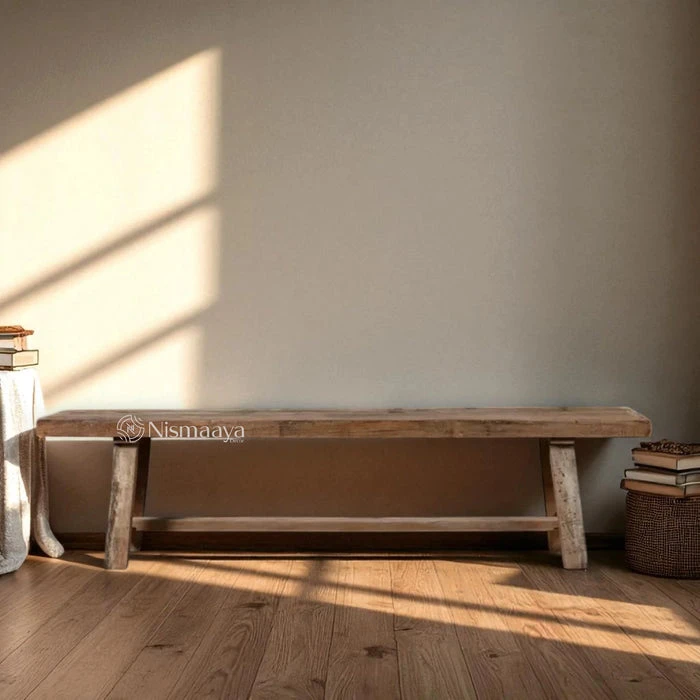
In British homes today, the wooden bench has evolved from a simple seating solution into a multifunctional design feature. Whether placed at a dining table, in a hallway, or at the foot of a bed, benches offer architectural simplicity, space efficiency, and long-term durability. Among the most sought-after options are walnut benches and the increasingly popular ash wood bench, each valued for distinct structural and visual qualities.
This in-depth guide explores material performance, interior compatibility, maintenance considerations, and buying insights, helping homeowners make an informed decision aligned with current UK design trends.
Why Wooden Benches Are Dominating UK Furniture Trends
Recent UK interior movements favour natural materials, understated craftsmanship, and sustainable investment pieces. A wooden bench meets these expectations by combining practicality with timeless appeal. Unlike bulkier seating, benches optimise floor space while maintaining visual flow—especially important in compact London flats and open-plan suburban homes.
- Supports flexible seating arrangements
- Enhances minimalist and Scandinavian aesthetics
- Provides long-term durability compared to upholstered alternatives
- Reduces visual clutter in smaller rooms
With rising consumer awareness around longevity and craftsmanship, solid hardwood benches are increasingly preferred over engineered or mass-produced alternatives.
Walnut Benches: Depth, Warmth, and Architectural Presence
Material Characteristics
Walnut benches are distinguished by their deep chocolate-brown tones and flowing grain patterns. Walnut is a dense hardwood known for dimensional stability and resistance to warping, making it highly suitable for dining and high-traffic areas.
The darker hue naturally complements the UK’s growing preference for moody interiors—think charcoal walls, brass accents, and layered textures.
Performance and Durability
From a structural standpoint, walnut offers excellent load-bearing capacity. Properly kiln-dried and sealed walnut maintains its integrity for decades. This makes walnut benches particularly suitable for:
- Family dining spaces
- Luxury hallway seating
- Statement pieces in open-plan kitchens
- High-use commercial-style home offices
For those seeking refined craftsmanship, explore thoughtfully constructed walnut benches designed for contemporary UK living that balance durability with sophisticated aesthetics.
Design Impact
Walnut’s darker colour creates contrast against pale flooring and neutral paint palettes. In north-facing UK rooms where natural light may be limited, walnut adds warmth and visual depth without overwhelming the space.
Ash Wood Bench: Lightness, Strength, and Modern Versatility
Understanding Ash as a Hardwood
An ash wood bench offers a lighter and more adaptable aesthetic. Ash is recognised for its pale cream tones and straight grain, aligning seamlessly with Scandinavian-inspired interiors that continue to influence British design.
The ash bench is particularly valued for its shock resistance and flexibility, which makes it structurally reliable without excessive weight.
Advantages in Everyday Use
- Brightens smaller or low-light spaces
- Highly resilient under daily use
- Easy to refinish if surface wear occurs
- Blends effortlessly with neutral and pastel colour schemes
Homeowners interested in clean-lined, minimalist seating can review curated ash wood bench designs crafted from solid hardwood that reflect modern craftsmanship standards.
Best Applications in UK Homes
An ash bench works particularly well in:
- Compact city apartments
- Bright kitchen-diners
- Hallways requiring a subtle seating solution
- Casual dining areas
Its lighter appearance enhances the perception of space—an essential factor in contemporary urban properties.
Walnut Benches vs Ash Wood Bench: Practical Comparison
1. Aesthetic Tone
Walnut benches: Rich, bold, statement-driven.
Ash wood bench: Fresh, airy, understated.
2. Maintenance Requirements
Walnut benefits from occasional oiling to maintain depth of colour. Ash requires protective finishing to minimise visible marks due to its lighter tone.
3. Longevity
Both materials offer excellent durability when responsibly sourced and properly finished. Lifespan largely depends on craftsmanship and care rather than species alone.
4. Cost Positioning
Walnut generally commands a higher price due to slower growth rates and premium demand. Ash provides a strong balance between affordability and resilience.
How to Select the Right Wooden Bench for Your Space
When investing in a wooden bench, evaluate the following:
- Room proportions: Lighter woods visually expand space.
- Lighting conditions: Dark walnut adds warmth in cooler rooms.
- Existing materials: Coordinate with flooring and cabinetry.
- Intended usage: Dining benches require thicker, reinforced construction.
For comprehensive options across wood types and styles, browse carefully curated solid wooden bench collections suitable for UK interiors that prioritise longevity and functional design.
Sustainability and Responsible Craftsmanship
UK consumers increasingly value transparency in sourcing and production. Solid hardwood furniture reduces replacement frequency, lowering long-term environmental impact. Reputable brands such as Nismaaya Decor focus on durable joinery techniques and material integrity, aligning with responsible consumption principles.
Choosing a well-constructed ash bench or walnut bench is not merely a design decision—it is a commitment to long-term value and sustainable living.
Frequently Asked Questions
Which wooden bench is better for high-traffic dining areas?
Both are suitable, but walnut benches offer slightly higher density and resistance to daily wear.
Does an ash wood bench suit traditional interiors?
Yes. While often associated with modern design, ash adapts well to classic British décor when paired with traditional textiles and finishes.
Are wooden benches more durable than upholstered benches?
Generally, yes. Solid hardwood benches require less maintenance and are less prone to fabric wear or structural sagging.
Conclusion
Both walnut benches and the ash wood bench represent enduring furniture investments tailored to modern UK lifestyles. Walnut delivers richness and architectural presence, while ash offers brightness and adaptability. Ultimately, the ideal wooden bench depends on your interior palette, spatial needs, and long-term design vision.
By prioritising craftsmanship, responsible sourcing, and thoughtful placement, homeowners can ensure their chosen bench enhances both function and aesthetic value for years to come.