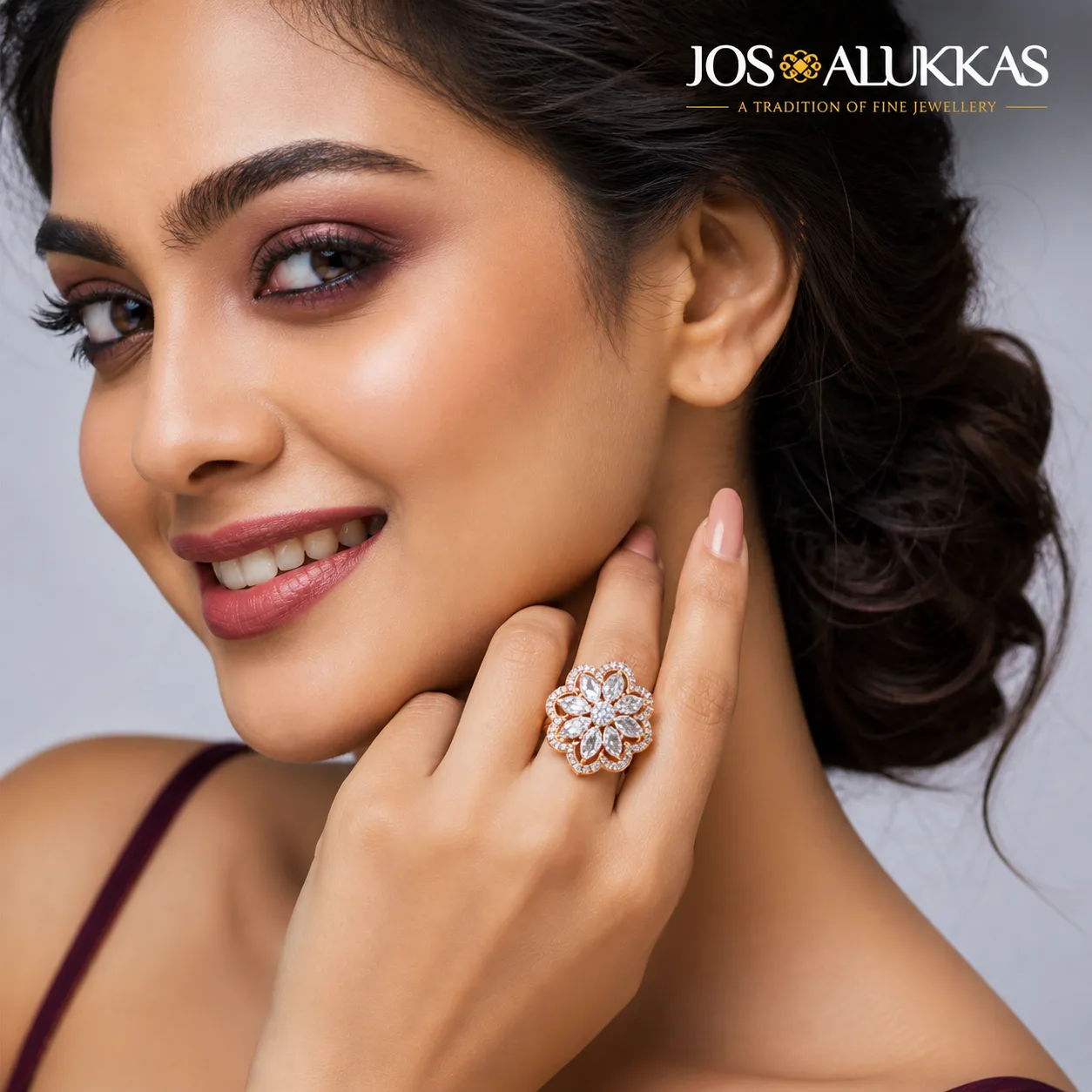
Choosing a diamond ring is one of the most meaningful purchases you will ever make. Whether you are shopping for an engagement ring, an anniversary gift, or simply treating yourself, the right diamond ring should reflect both timeless beauty and genuine value. With so many options — cuts, settings, carat weights, and price points — it is easy to feel overwhelmed before you even step into a store.
This complete guide walks you through everything you need to know about buying a diamond ring, from understanding grading certificates to choosing the perfect setting for your lifestyle. By the end, you will shop with confidence and clarity.
Understanding the 4 Cs of a Diamond Ring
Every diamond ring is graded on four universally recognised criteria, known as the 4 Cs — cut, colour, clarity, and carat. These were standardised by the Gemological Institute of America (GIA) and are used by every reputable jeweller worldwide. Understanding the 4 Cs is the single most important step in finding a diamond ring that gives you the best value for your budget.
1. Cut — the most important C
The cut is what gives a diamond ring its brilliance. It refers not to the shape of the stone, but to how precisely the diamond's facets have been angled and polished to reflect light. A well-cut diamond will sparkle intensely even under ordinary lighting, while a poorly cut stone of the same carat weight will look dull and lifeless.
Cut grades range from Excellent (or Ideal) down to Poor. Always aim for Excellent or Very Good — never compromise on cut, even if it means choosing a slightly smaller stone.
Popular diamond ring cuts include:
- Round brilliant — the most popular, with maximum fire and brilliance
- Oval — elongates the finger and appears larger than its carat weight
- Cushion — soft, romantic corners with a vintage feel
- Emerald — a step-cut style with long, clean lines and a sophisticated look
- Princess — a modern square cut with strong sparkle
- Pear — a teardrop silhouette that is unique and eye-catching
2. Colour — less is more
Diamond colour is graded on a scale from D (completely colourless) to Z (light yellow or brown tint). For a diamond ring set in white gold or platinum, aim for G to I colour — these stones appear colourless to the naked eye but cost significantly less than D–F grades. If you choose a yellow or rose gold band, you can go as low as J or K, as the warm metal tone masks any slight colour in the stone.
3. Clarity — what is inside the stone
Clarity grades measure the number, size, and position of internal inclusions and surface blemishes. The scale runs from Flawless (FL) at the top down to Included (I3) at the bottom.
For a beautiful diamond ring without paying a premium for perfection, look for stones graded VS1, VS2, or SI1. These are considered "eye-clean" — any inclusions are invisible without magnification. Unless you plan to examine your ring under a loupe every day, there is no reason to pay for FL or IF clarity.
4. Carat — size and weight
Carat measures the weight of the diamond, not its physical size. A 1-carat diamond ring with an excellent cut will look larger than a 1-carat stone with a poor cut, because the cut determines how much of the stone is visible from the top.
Elongated shapes like oval, pear, and marquise also appear larger than round diamonds of the same carat weight. If a bigger-looking diamond ring is the goal but budget is a concern, these shapes offer excellent visual impact per pound or dollar spent.
Choosing the Right Setting for Your Diamond Ring
The setting is the metal structure that holds the diamond in place — and it defines the overall character of the ring. The right setting for your diamond ring depends on personal style, lifestyle, and how much of the metal you want to show.
Prong setting — the most classic choice. Four or six metal prongs cradle the diamond from below, lifting it high to maximise light exposure. This is the setting most people picture when they think of a diamond ring.
Bezel setting — a continuous rim of metal encircles the entire diamond, protecting the edges. Ideal for active people or those who work with their hands, as it significantly reduces the risk of chipping or snagging.
Pavé setting — tiny accent diamonds are set closely along the band, held in place by small beads of metal. The result is a diamond ring that sparkles along the entire circumference.
Halo setting — a ring of smaller diamonds surrounds the centre stone, visually enlarging it and adding an extraordinary amount of sparkle. A popular choice for those who want maximum impact.
Channel setting — accent diamonds sit in a groove running along the band, protected on both sides by metal walls. Clean, modern, and very secure.
Solitaire — a single diamond on a plain metal band. Timeless, elegant, and lets the stone do all the talking.
How Much Should You Spend on a Diamond Ring?
The often-quoted rule of spending two or three months' salary is a marketing invention with no basis in reality. Spend what you can comfortably afford. That said, having a realistic sense of the market helps.
In the UK, the average spend on a diamond ring for an engagement sits between £2,000 and £5,000. In the US, the median engagement ring spend is around $5,500. Lab-grown diamonds — which are chemically and optically identical to mined diamonds — now offer a compelling alternative, typically costing 40–60% less for the same size and quality.
If budget flexibility is a concern, consider:
- Choosing a lab-grown diamond ring for the same visual result at a lower price
- Prioritising cut quality and going slightly lower on carat weight
- Selecting G–H colour and VS2–SI1 clarity instead of D–F / FL
- Choosing an oval or cushion shape instead of round, which carries a premium
Where to Buy a Diamond Ring
Always buy from a retailer who provides a grading certificate from GIA, AGS, or IGI. A certificate is your guarantee that the diamond has been independently evaluated — without one, you are relying solely on the seller's word.
Both online and in-store retailers can offer excellent value. Online jewellers such as James Allen, Brilliant Earth, and Blue Nile provide 360-degree HD imagery of every stone, letting you inspect diamonds in detail before purchase. Independent high-street jewellers offer a personal experience and the ability to see the ring in real light before committing.
Before you buy, ask about:
- Return and exchange policy (minimum 30 days)
- Resizing policy (most quality jewellers offer one free resize)
- Warranty and lifetime inspection services
- Ethical sourcing and conflict-free certification (look for Kimberley Process compliance)
How to Care for Your Diamond Ring
A diamond ring is built to last a lifetime — diamonds are the hardest natural substance on earth, scoring 10 on the Mohs scale. But the metal setting requires regular care to stay in top condition.
Weekly cleaning: Soak your diamond ring in warm water with a few drops of mild dish soap for 20–30 minutes. Use a soft toothbrush to gently scrub around the setting, rinse thoroughly, and pat dry with a lint-free cloth.
Annual inspection: Visit your jeweller once a year to have the prongs, setting, and band professionally checked. Prongs wear down over time and a loose stone is a common — and preventable — problem.
Daily habits: Remove your diamond ring before swimming (chlorine damages metal), applying lotion or perfume, doing heavy manual work, or sleeping. Store it separately from other jewellery to avoid scratching.
Final Thoughts
Finding the right diamond ring comes down to understanding the 4 Cs, choosing a setting that suits your lifestyle, and always buying from a certified retailer. Prioritise cut quality above everything else, do not pay for clarity or colour grades you cannot see with the naked eye, and never skip the grading certificate.
Whether you choose a classic solitaire diamond ring, a modern halo, or a bold pear-cut pavé band, the most important thing is that it feels right to you. Take your time, do your research, and trust your instincts — your perfect diamond ring is closer than you think.