
"Silence can be terrifying. But sometimes, it's the quiet that lets you hear your future."
I was twenty when I lost my hearing.
A viral infection, a bad winter, and a series of “we’re not sure why” from doctors turned into the kind of silence that swallows you whole. For someone who grew up surrounded by music and conversation, it felt like a wall went up between me and the rest of the world.
But while the music stopped, the hum of machines started to fascinate me.
From Sound to Signal
In the months that followed, I found myself gravitating toward machines — not just out of curiosity, but because they were precise, reliable, predictable. I started tinkering with microcontrollers, servo motors, and visual interfaces that didn’t need sound to function. I wasn’t building robots at first — I was rebuilding myself.
What began as therapy became obsession.
Disabilities and the Design Gap
As I became more fluent in tech, I noticed something: so much of our digital world still isn’t built for everyone.
People with disabilities often have to modify tools, create workarounds, or just settle for less. Closed captions are inconsistent, interfaces rely on subtle sound cues, and even “accessible” apps often miss the point — access isn’t a checkbox, it’s a perspective.
That realization shifted the way I thought about design. Identity, branding, and UX all flow together. And if we don’t bake accessibility into the core of our creations, we’re just putting shiny borders on locked doors.
Freelancing: Freedom with Focus
Going freelance wasn’t just a career decision — it was a survival strategy.
Full-time office work often meant struggling through meetings, missing tone and nuance, and constantly having to advocate for clarity. As a freelancer, I get to design my environment. I control the pace, the tools, the expectations.
Clients like 1winregistration.com were among the first to embrace asynchronous workflows with me — clear briefs, written feedback, and visual documentation over chaotic Zoom calls. That’s not just inclusive design, that’s efficient design.
Tech That Opened Doors
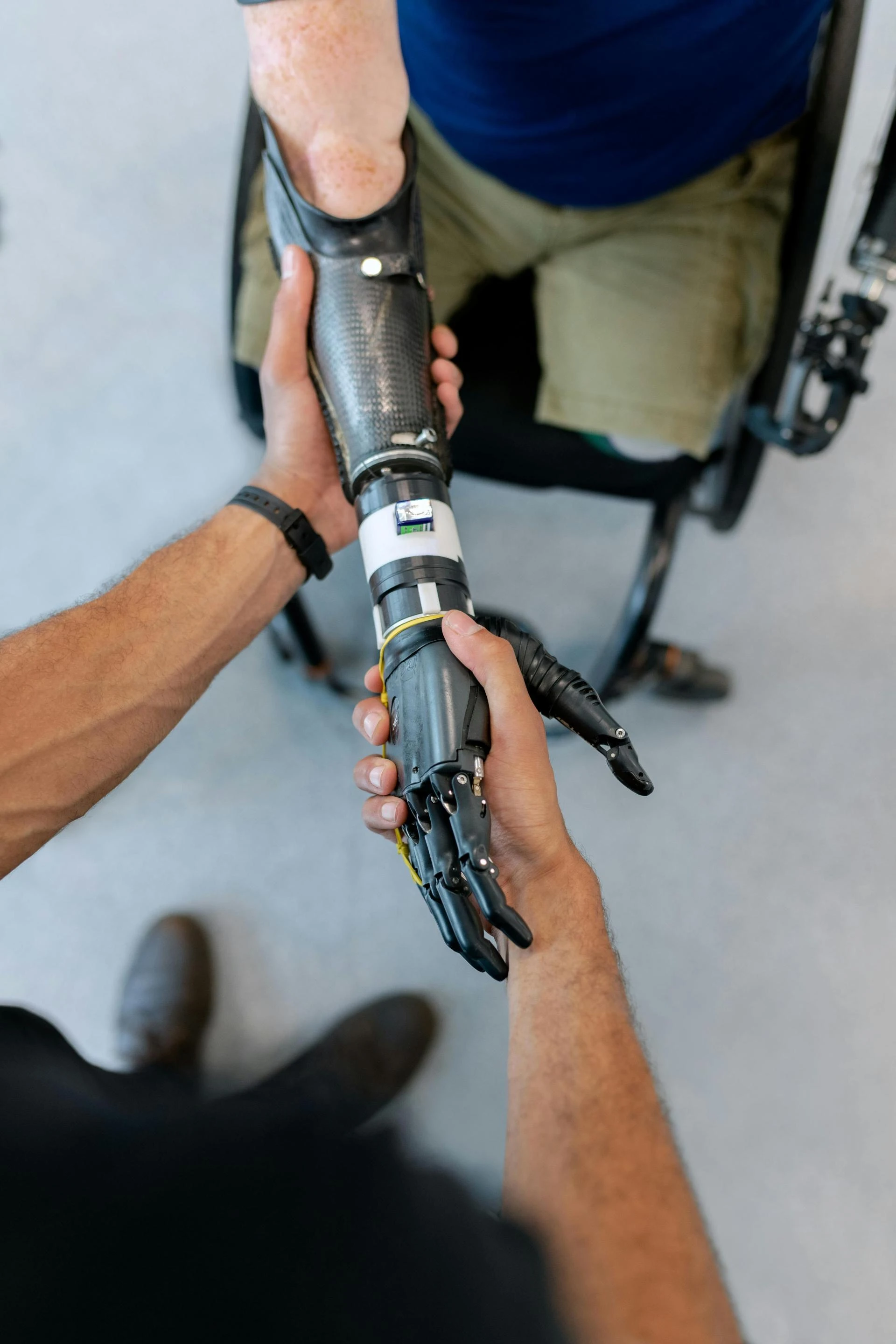
We live in an incredible time for assistive tech. From real-time transcription tools like Otter.ai, to advanced cochlear implants, to gesture-based input systems, we’re watching the gap narrow with every release.
Even tools like Notion, Figma, or Read&Write allow creators like me to collaborate without barriers. We’re finally moving past the idea that “accessibility slows things down.” In reality, it speeds things up — for everyone.
“When we design for disability, we often make things better for everyone.”
— Kat Holmes, Mismatch: How Inclusion Shapes Design
What Comes Next
I still design brand systems. I still sketch robot heads for fun. I still get frustrated when I encounter a website with no alt text or a video without subtitles. But I’ve found rhythm in the quiet — and a way to turn silence into structure.
If you're building something — whether it's a robot, a website, or a brand — build it like everyone matters. Not because it's trendy. But because it's true.
And if you're wondering what a deaf designer thinks about your color contrast choices — I probably already redesigned your footer.