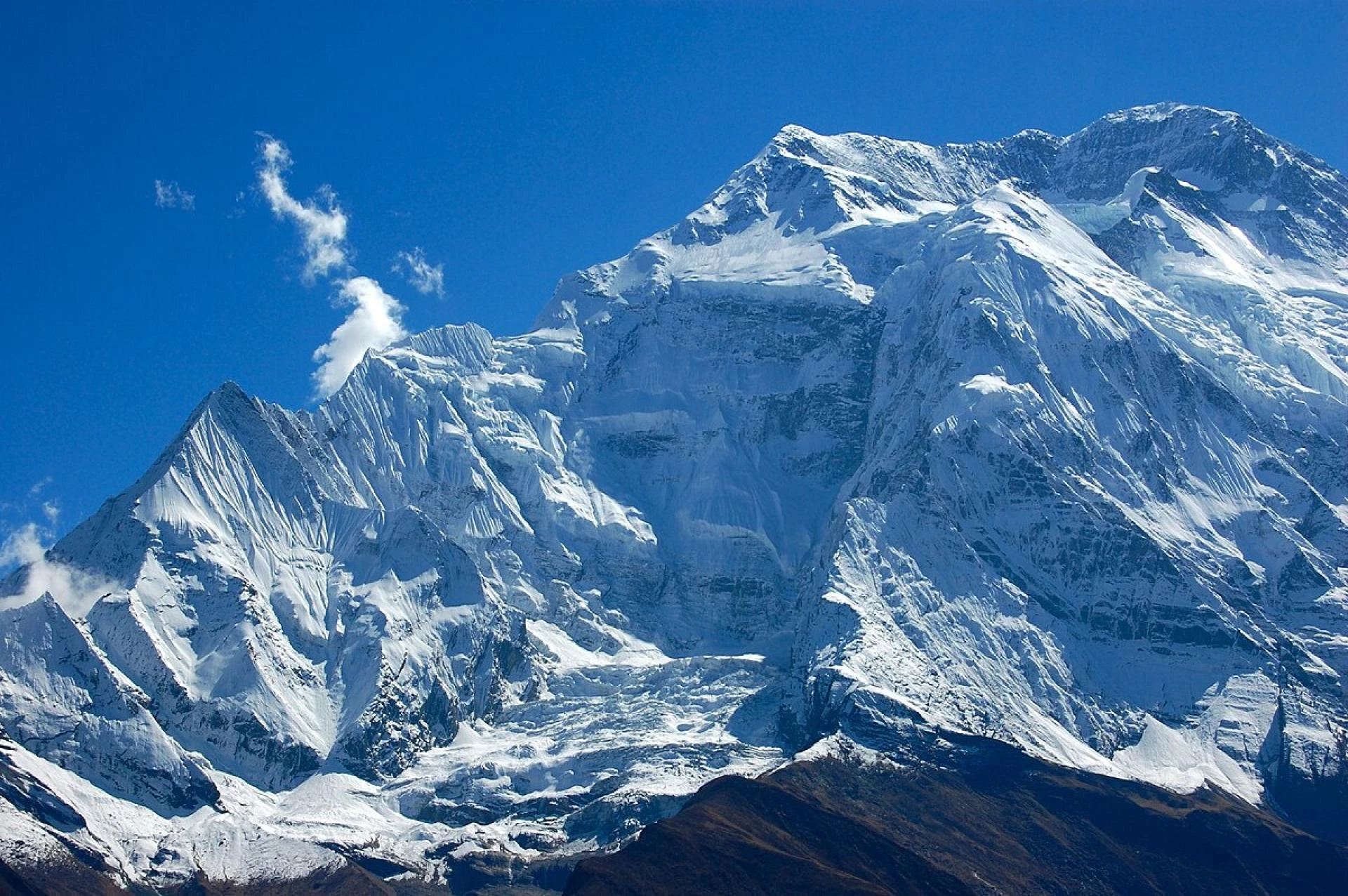
If you're even remotely into trekking or dream of one day wandering through the mighty Himalayas, the Annapurna region in Nepal should be at the very top of your list. It's like the Disneyland of trekking—but instead of rides, you get snow-capped mountains, charming villages, and some of the most soul-stirring views on the planet.
The Annapurna region has something for everyone—from beginner hikers to hardcore mountaineers. In this guide, I’ll walk you through the best trekking routes in the Annapurna area, what makes each one special, and what you should know before hitting the trail.
Why Trek in the Annapurna Region?
Let’s start with the basics. The Annapurna region is located in central Nepal and is part of the greater Himalayan range. The area is rich in biodiversity, culture, and scenic beauty. With peaks like Annapurna I (8,091 meters) and Machapuchare (the sacred "Fishtail" mountain), you're in for a visual treat from day one.
But it’s not just about the mountains. The region is dotted with welcoming Gurung and Magar villages, terraced fields, rhododendron forests, and high alpine deserts. You get to experience the full range of Nepal’s natural and cultural landscape—sometimes in a single day.
1. Annapurna Circuit Trek
Duration: 15–20 days
Difficulty: Moderate to Challenging
Max Altitude: 5,416 meters (Thorong La Pass)
Why it's amazing:
Once hailed as the best long-distance trek in the world, the Annapurna Circuit is still a legend—and for good reason. You start in the lush, subtropical valleys and slowly make your way up to the arid highlands of Manang, before tackling the epic Thorong La Pass.
The landscapes change dramatically every few days, and you get views of Annapurna, Dhaulagiri, and Manaslu. Plus, the cultural variety is incredible—from Hindu villages in the lower regions to Tibetan-style settlements higher up.
Pro tip: Take your time to acclimatize in Manang. AMS (Acute Mountain Sickness) is real and can ruin your trek.
2. Annapurna Base Camp (ABC) Trek
Duration: 7–12 days
Difficulty: Moderate
Max Altitude: 4,130 meters
Why it's amazing:
ABC is one of the most accessible high-altitude treks in Nepal. What’s really special about this route is that you actually get to stand in an amphitheater surrounded by massive Himalayan peaks—including Annapurna I, Hiunchuli, and Machapuchare.
You'll pass through charming villages like Chhomrong and bamboo forests that seem straight out of a fantasy novel. This trek is ideal if you want a big payoff without a massive time commitment.
Pro tip: Go in spring (March to May) for blooming rhododendrons or in autumn (October to November) for clear skies.
3. Ghorepani Poon Hill Trek
Duration: 4–6 days
Difficulty: Easy to Moderate
Max Altitude: 3,210 meters
Why it's amazing:
If you’re short on time or just want a taste of the Himalayas without going too high, this is the trek for you. The star of the show is Poon Hill, which offers one of the best sunrise views over the Annapurna and Dhaulagiri ranges.
The trail takes you through rhododendron forests, traditional Gurung villages, and lots of stone steps (fair warning!). It’s a great option for families or first-time trekkers.
Pro tip: Start early for the Poon Hill sunrise—like, really early. The view is totally worth the 4 a.m. wake-up call.
4. Mardi Himal Trek
Duration: 5–7 days
Difficulty: Moderate
Max Altitude: 4,500 meters
Why it's amazing:
Mardi Himal is kind of like the quiet cousin of ABC. Not as well-known, but just as stunning. You walk along ridgelines with jaw-dropping views of Machapuchare, Annapurna South, and Hiunchuli.
The best part? Far fewer people. If you’re someone who likes a bit of solitude on the trail, Mardi is calling your name.
Pro tip: Bring layers. The weather can change quickly at high altitudes, and it gets cold at Mardi Base Camp.
5. Khopra Ridge Trek
Duration: 6–10 days
Difficulty: Moderate
Max Altitude: 3,660 meters (Khopra Danda)
Why it's amazing:
This trek is a bit off the beaten path and offers a perfect blend of natural beauty and local culture. The highlight is Khopra Ridge, where you get an unbelievable panorama of the Annapurna and Dhaulagiri massifs without the crowds.
You can even take a detour to Khayer Lake, a sacred alpine lake that sits at about 4,600 meters—though that’s more strenuous.
Pro tip: Stay at the community lodges. They’re run by local villages and help support sustainable tourism.
What to Know Before You Go
- Permits: You’ll need the Annapurna Conservation Area Permit (ACAP) and a TIMS card. These are easily arranged in Kathmandu or Pokhara.
- Best seasons: Spring (March–May) and autumn (October–November) are ideal. The weather is stable, and the skies are usually clear.
- Gear: Layers, a decent sleeping bag, and broken-in trekking boots are essential. You don’t need super high-end gear, but do invest in comfort.
- Guides and Porters: Hiring a local guide not only enriches your experience but also supports the local economy. Porters are a lifesaver if you want to trek light.
Final Thoughts
The Annapurna region is a trekker’s paradise with a little something for everyone. Whether you want to push your limits on the Annapurna Circuit or take a leisurely hike to Poon Hill, the region offers unforgettable experiences and unmatched natural beauty.
So lace up those boots, pack your bag, and get ready for the adventure of a lifetime. The Himalayas are calling—and Annapurna is waiting to blow your mind.