In today's fast-paced world, people are increasingly turning to wellness practices to help combat stress, fatigue, and physical discomfort. Among the most effective and time-tested methods of promoting relaxation and overall well-being is body massage therapy. Spas that offer a wide variety of massage services have become sanctuaries for individuals seeking physical and mental rejuvenation. Beyond the immediate pleasure of relaxation, body massage spa treatments offer a multitude of health benefits. This article explores the physical, mental, and emotional advantages of regular visits to a massage spa.
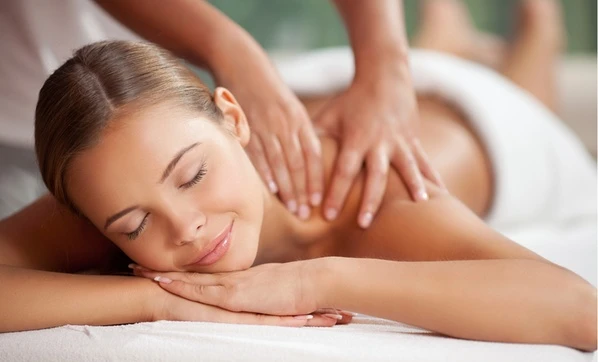
1. Stress Relief and Relaxation
One of the most immediate and noticeable benefits of a body massage is stress reduction. The calming environment of a spa, combined with soothing massage techniques, helps to lower cortisol levels—the hormone responsible for stress. As cortisol levels decrease, serotonin and dopamine (the "feel-good" neurotransmitters) increase, promoting an overall sense of well-being.
Massage therapy also triggers the parasympathetic nervous system, which is responsible for rest and digestion. This reduces heart rate, slows breathing, and creates a deep state of relaxation. Whether you're dealing with daily work pressures or emotional challenges, a massage session can provide an essential mental reset.
2. Pain Management and Muscle Recovery
Massage therapy is highly effective for managing both chronic and acute pain. Techniques such as deep tissue massage, trigger point therapy, and myofascial release work to relieve tension in muscles, improve blood flow, and break down adhesions (knots). For individuals suffering from conditions like arthritis, sciatica, or fibromyalgia, regular massages can significantly reduce discomfort and improve mobility.
Athletes and fitness enthusiasts also benefit greatly from body massages, which help to accelerate muscle recovery after intense workouts. Massaging sore areas reduces lactic acid build-up and boosts oxygen and nutrient delivery to tissues, aiding in faster healing and performance enhancement.
3. Improved Circulation
Body massage therapy stimulates blood flow throughout the body. Enhanced circulation not only helps in delivering oxygen and nutrients to cells but also aids in the removal of metabolic waste products like carbon dioxide and urea. Improved circulation contributes to healthier skin, better organ function, and more efficient healing of injuries.
Lymphatic drainage is another benefit of massage, especially with techniques like Swedish massage and lymphatic massage. By encouraging the flow of lymph—a fluid that helps eliminate toxins—the body becomes more efficient at detoxifying and maintaining a robust immune system.
4. Better Sleep Quality
Massage therapy has a profound effect on sleep patterns. It helps reduce insomnia and improve sleep quality by relaxing the nervous system and reducing anxiety. Regular sessions promote deeper, more restorative sleep by boosting serotonin levels, which the body converts into melatonin—the hormone responsible for sleep regulation.
People who suffer from sleep disorders or have trouble falling asleep often find that post-massage rest is more restful and uninterrupted. Even a short massage session can result in a noticeable improvement in sleep for many individuals.
5. Boosted Immune System
Regular massage therapy can strengthen the immune system by increasing the activity level of white blood cells that help the body fight off infections. Studies have shown that massage can increase lymphocyte levels—cells that play a large role in defending the body from disease. By reducing stress and inflammation, massage also reduces the chances of illness caused by a weakened immune response.
This immune-boosting effect is particularly beneficial during periods of high stress or seasonal changes, when the body is more vulnerable to colds and other infections.
6. Enhanced Flexibility and Joint Mobility
Massage therapy can help to improve flexibility by stretching tight muscles and promoting joint mobility. Techniques such as sports massage and Thai massage involve guided stretching and manipulation of the body, which can enhance range of motion and prevent injury.
Elderly individuals or those recovering from surgery may benefit from massage as a complementary therapy to physical rehabilitation. Improved joint mobility can lead to better posture, reduced pain, and increased ease in performing daily activities.
7. Improved Skin Health
During a massage, increased blood flow to the skin improves its texture, tone, and elasticity. Many spas use aromatic oils and lotions that contain vitamins and antioxidants, which nourish the skin during treatment. This hydration, combined with the exfoliating action of massage, helps in removing dead skin cells and promoting new cell growth.
Additionally, some massage types, like Ayurvedic or aromatherapy massages, use herbal-infused oils that further enhance skin health, combat dryness, and reduce the appearance of fine lines and wrinkles.
8. Mental Clarity and Emotional Balance
Massage not only rejuvenates the body but also refreshes the mind. Many individuals report feeling mentally clearer and more emotionally balanced after a massage. The reduction in cortisol and increase in serotonin and dopamine can help alleviate symptoms of anxiety and depression.
In spa settings, sensory elements like soft lighting, calming music, and aromatic essential oils contribute to a holistic experience that fosters inner peace. This emotional and mental uplift can be a key part of managing modern stressors and maintaining long-term psychological health.
9. Support for Chronic Health Conditions
Massage therapy can be an effective complementary treatment for various chronic conditions. Patients with diseases like diabetes, high blood pressure, or multiple sclerosis may find symptom relief through massage. While it’s not a cure, massage can reduce complications by improving circulation, alleviating stress, and promoting better sleep.
Always consult with a healthcare provider before using massage therapy as a treatment for medical conditions, but in many cases, it serves as a valuable supplement to traditional medicine.
10. Increased Self-Awareness and Body Connection
In a world where many people feel disconnected from their bodies due to stress, overwork, or poor health habits, massage provides an opportunity to reconnect. It encourages mindfulness and awareness of areas where tension is held, promoting a deeper understanding of one’s physical state.
This self-awareness often leads to healthier lifestyle choices, such as improved posture, better sleep habits, and increased exercise—all of which contribute to overall wellness.
Conclusion
The benefits of body massage spa treatments go far beyond momentary relaxation. They represent a powerful tool for improving physical health, emotional balance, and mental clarity. From reducing stress and alleviating pain to improving circulation and enhancing immune function, massage therapy provides a wide array of therapeutic advantages.
Whether you're a busy professional seeking stress relief, an athlete in need of muscle recovery, or someone simply looking for a bit of self-care, regular spa massages can be a transformative addition to your wellness routine. Investing in your health and well-being through massage is not a luxury—it's a necessity in today’s demanding world.