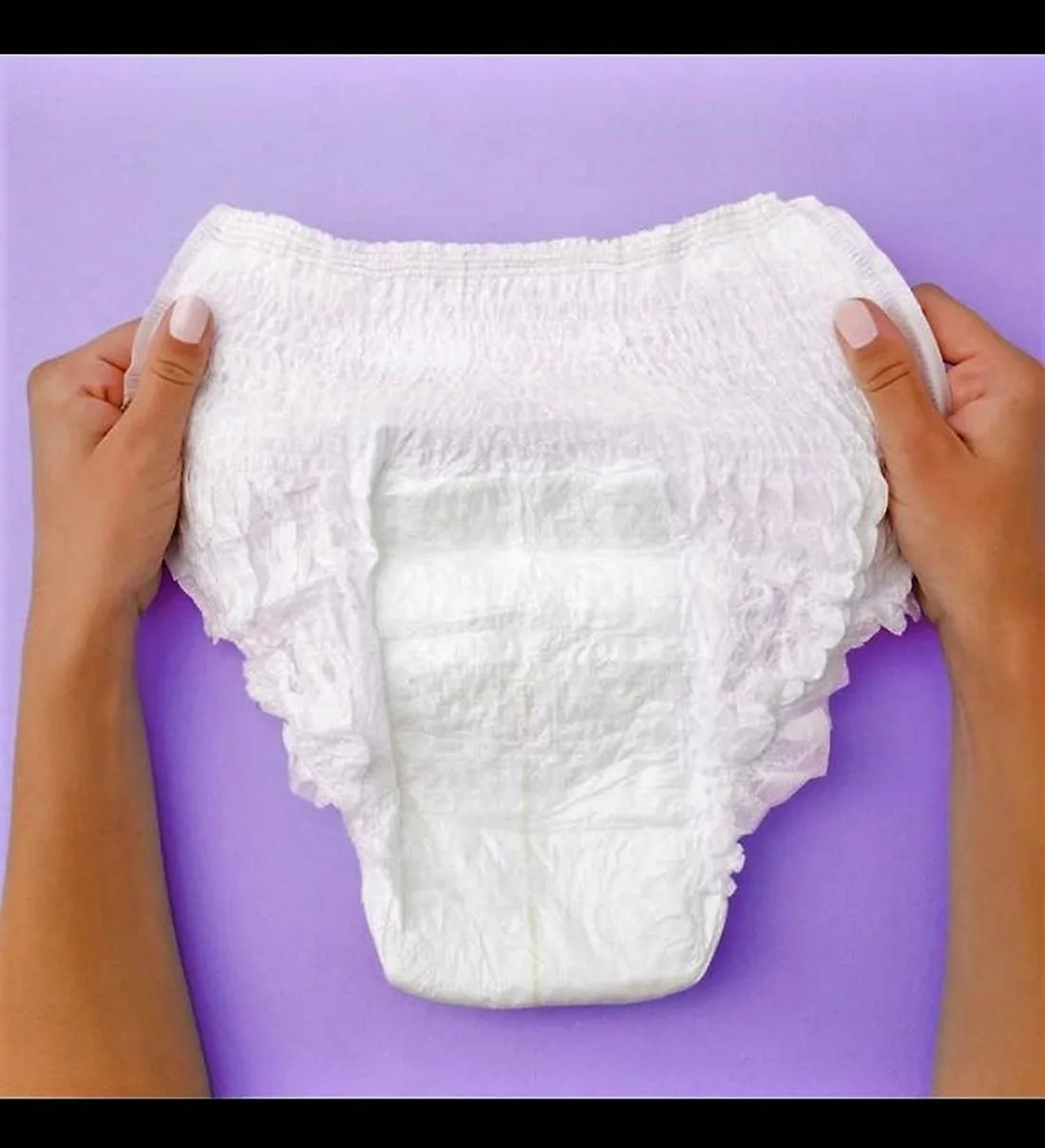
Disposable period panties are single-use absorbent underwear designed for menstrual protection without the need for washing or reuse. They offer the comfort of period underwear with the convenience of a sanitary pad, making them ideal for travel, heavy-flow days, postpartum recovery, or situations without laundry access. Choosing the right disposable period underwear depends on absorbency, skin sensitivity, odour control, fit and proper disposal, while hygiene is ultimately determined by proper use rather than by whether the product is disposable or reusable.
Quick Reads
- Disposable period panties are worn once and discarded; nothing is rinsed, soaked or kept for a second wear.
- Odour-free performance depends on a coating that slows bacterial growth on the fabric, not on fragrance masking the odour.
- Sensitive or rash-prone skin usually reacts to fragrance and prolonged wetness rather than to the disposable format itself.
- Hesitation about switching from pads is rarely about absorbency; it usually comes down to not knowing how to dispose of a used garment discreetly.
- Disposable and reusable period panties are equally hygienic in principle; the deciding factor is whether the aftercare, disposal, or washing is actually carried out.
Most people delay switching to period underwear for reasons that have nothing to do with fit or absorbency. The real hesitation is usually smaller and rarely discussed. It comes down to what to do with a used garment when there is no sink nearby and no real privacy. Disposable period underwear is built for exactly that gap. It is not a lesser version of a reusable panty. It is the format suited to situations where washing something mid-cycle is never realistic.
It offers the same coverage and snug fit as any period panty, without the rinse-and-dry routine. Each is worn once, then discarded. This places the category somewhere between a sanitary pad and a full reusable panty in terms of habit.
What Is Disposable Period Underwear?
A disposable period underwear or panty is a single-use garment with an absorbent core stitched directly into the fabric, worn for a single cycle and then discarded. Sofy's disposable period panty range is one example of this format, built with the same absorbent-core-and-barrier logic used in a standard sanitary pad, just shaped into underwear instead of a strip that sits on top of it.
The easiest way to picture disposable period panties is somewhere between a pad and a reusable panty. The shape and fit are those of a period panty, but the single-use habit is that of a pad, which is likely why people already comfortable with pads tend to find this format an easier first step than moving straight into a wash routine.
How Is It Different From a Regular Sanitary Pad?
A sanitary pad sits on top of existing underwear, held by an adhesive strip and a pair of wings folded around the edges. That setup leaves a seam along the border where fluid can occasionally travel sideways. A disposable period panty removes that seam entirely, since the absorbent layer is built into the garment itself rather than stuck onto something separate.
Underneath that fit, though, the mechanics haven't really changed. A stay-dry top sheet pulls fluid away from the skin almost immediately, an absorbent core, usually a superabsorbent polymer or a microfibre blend, locks it in, and a waterproof layer underneath stops it reaching your clothing. Most complaints about a pad by hour eight aren't really about the fluid at all. They're about what's been happening on that top sheet the whole time.
How Are Disposable Period Panties Worn & Disposed Of?
Disposal is usually what puts first-time buyers off more than the product itself, so it's worth knowing the sequence upfront rather than working it out as you go.
- Put the garment on like regular underwear, with the absorbent panel sitting centrally from front to back.
- Fold the soiled side inwards when removing it, just as you would with a used pad.
- Tear open the side seams on tear-away designs, which most single-use garments sold today feature.
- Roll the garment into a compact bundle instead of folding it flat.
- Wrap it in tissue or its original wrapper before placing it in a bin.
- Always dispose of it in a covered bin, never in a toilet, because the absorbent core and barrier layer do not break down in water pipes.
- Wash hands immediately afterward, regardless of the product used.
What Keeps Disposable Period Panties Odour-Free?
Bacteria acting on menstrual fluid over several hours create odour in period underwear, not the fluid itself. That is why a garment changed at hour four smells different from one worn until hour ten. Pee Safe's period panty range, for instance, uses a gel-based layer that holds fluid away from the surface and recommends changing every four to six hours to limit bacterial build-up.
Being fragrance-free doesn't make a product odour-prone; that's a common assumption, but it's not how these things actually work. It's the barrier and the recommended wear time doing the real work of keeping things fresh, not any added scent covering up a smell. So when you're comparing odour-free disposable period panties across brands, the wear time printed on the packaging usually tells you more than any fragrance claim ever will.
Disposable or Reusable, Which One Actually Protects Hygiene Better?
Both disposable and reusable period panties are equally hygienic when they're used correctly, full stop. The real answer to the disposable vs reusable period panties hygiene question isn't about the format at all; it's about aftercare.
Disposable period panties eliminate the need for aftercare because you simply discard them after use. That convenience appeals to hostel residents, frequent travelers, and anyone during the first physically demanding postpartum week. Reusable period panties work just as well when you rinse them in cold water immediately after use and allow them to air-dry completely before wearing again. Leaving a damp panty in a bag overnight, however, gives bacteria the opportunity to multiply.
Can Disposable Period Underwear Handle a Heavy Flow Overnight?
Whether heavy-flow overnight disposable period underwear options perform well depends largely on how far the absorbent core extends toward the back panel rather than on its total absorbency. Overnight period panties extend the absorbent core further up the rear panel to catch the backward pooling that occurs while lying down for several hours.
A retail worker on a ten-hour shift who changes an eight-hour-rated disposable panty midway through the day represents a typical example of this format performing well during a demanding heavy-flow day without requiring an unexpected change. If shopping for overnight protection, check the milliliter rating and the extent of rear coverage instead of relying solely on the word "overnight" printed on the packaging.
What About Sensitive or Rash-Prone Skin?
Three common causes usually trigger rashes linked to period products, and identifying the right one helps in avoiding switching products unnecessarily. Fragrance is the most common trigger because even a lightly scented product can cause a reaction that a fragrance-free option may not. Prolonged wetness against the skin is the second cause, which is why a high-performing stay-dry top sheet often matters more than a higher absorbency rating. Fabric sensitivity is the third and least discussed cause, and breathable, chlorine-free materials generally feel more comfortable on rash-prone skin than standard synthetic blends.
Sofy's disposable range uses a fragrance-free, breathable design for this reason, which is why it often appears in searches for the best period underwear for sensitive skin rash prone. Try a fragrance-free option for two to three hours on a lighter day before relying on it during a heavier flow.
Checklist Before Buying the First Pack
Run through this checklist before buying your first pack. Tick every point, and a product's far less likely to let you down, and honestly, it takes less time than scrolling through review after review trying to make up your mind.
- Does the packaging clearly state an absorbency rating in milliliters, rather than using terms such as "heavy" or "overnight"?
- Is it labeled fragrance-free, especially if you already know that your skin reacts to scented products?
- Does the packaging clearly explain the disposal method, whether through tear-away seams, roll-and-wrap, or another approach?
- Does the size chart use hip measurements rather than standard underwear sizes?
- Are you starting with a small trial pack instead of buying a bulk box before deciding on a preferred brand?
The Takeaway
Most people end up wearing a pad longer than they meant to, not because of anything wrong with the pad, but because changing it or washing up in a hurry isn't always easy when there's no privacy to speak of. That's the specific gap disposable period underwear fills, not some bigger hygiene problem, since sanitary pads already handle that part well enough on their own.
Honestly, trying one pack on a lighter-flow day will answer more questions than reading dozens of reviews ever could. Once the routine starts to feel familiar, it's an easy call from there, whether to stick with it, keep it around for travel, or go back to what you were using before.