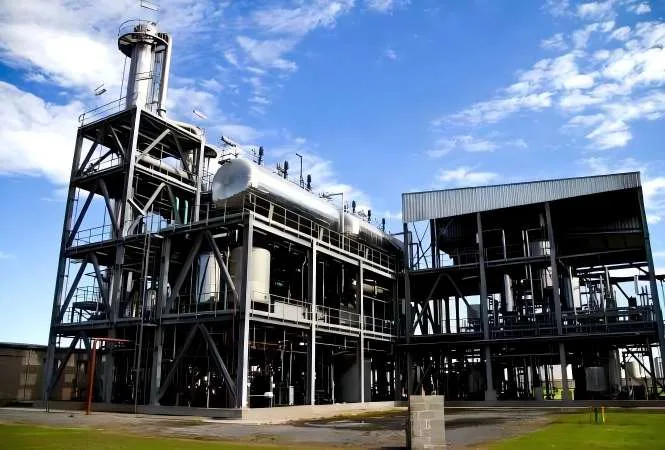
At the heart of every petroleum refinery lies a complex, interconnected ecosystem of processes designed to transform raw crude oil into a vast array of valuable products. This journey begins with the foundational crude oil distillation unit (CDU) and branches out into specialized pathways for products ranging from bulk fuels to high-purity solvents. Two such critical, yet distinct, pathways are the production of white spirit and the hydrotreating of various streams, showcasing the refinery's versatility and its response to diverse market and environmental demands.
The crude oil distillation unit serves as the refinery's initial separation hub. Utilizing a combination of atmospheric and vacuum distillation, the CDU efficiently fractionates incoming crude oil into its primary components based on boiling points. Lighter fractions like naphtha, kerosene, and diesel are drawn off at different stages, while heavier residues are further processed. One of the key mid-range cuts, often the kerosene fraction, becomes the vital feedstock for another specialized unit: the white spirit distillation unit. White spirit, a versatile industrial solvent, requires high purity and specific boiling ranges (from D40 to D140). The white spirit unit performs precise fractional distillation to isolate and purify this solvent cut, removing impurities and aromatics to produce various grades, including Low Aromatic White Spirit (LAWS), essential for paints, coatings, and degreasing applications. The efficiency of the CDU directly dictates the quality and availability of the feedstock for this valuable specialty product.
Meanwhile, other streams from the CDU, particularly naphtha and diesel, embark on a different journey essential for modern environmental compliance: hydrotreating. A hydrotreating plant is a refining workhorse that uses hydrogen and catalysts to remove impurities like sulfur, nitrogen, and oxygen compounds from petroleum fractions. For diesel and naphtha, this process, specifically Hydrodesulfurization (HDS), is non-negotiable for meeting stringent fuel standards such as Euro V. The hydrotreater transforms these raw cuts into clean-burning, environmentally compliant fuels. Its role doesn't end with fuels; advanced hydrotreating is also crucial for upgrading lubricant base oils from API Group I to higher-quality Group II specifications, significantly enhancing lubricant performance and longevity.
The interdependence of these units underscores modern refining strategy. The CDU's efficient operation ensures optimal yields and quality of feedstocks for downstream units. The white spirit unit adds value by transforming a standard distillate into a premium, high-margin chemical product. Simultaneously, the hydrotreating plant acts as the refinery's quality gatekeeper and environmental safeguard, ensuring that fuel products not only perform well but also meet the world's toughest emissions regulations. This integrated flow—from broad separation in the CDU, to precise purification in the white spirit unit, and deep chemical cleaning in the hydrotreater—exemplifies how a contemporary petroleum refinery is not just a fuel factory but a sophisticated chemical plant. It balances the economics of bulk production with the precision of specialty manufacturing and the imperative of sustainability, all starting from the foundational process of crude oil distillation.