
When people think of Morocco, images of golden dunes, camel caravans, and vast desert landscapes often come to mind. While the Sahara is undoubtedly one of the country's most famous attractions, Morocco offers far more than endless stretches of sand.
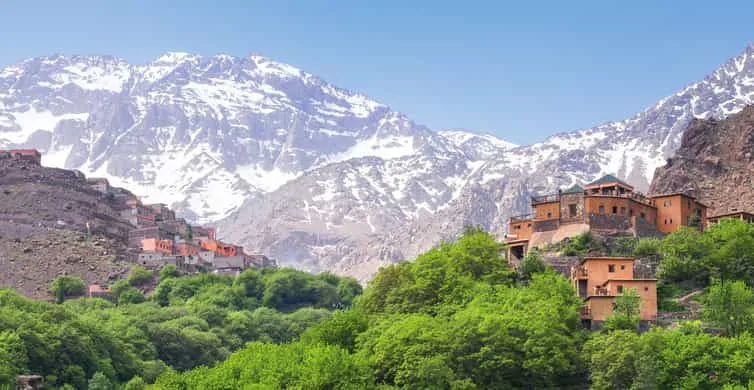
Rising dramatically across the heart of the nation, the Atlas Mountains provide a completely different side of the Moroccan experience. Filled with picturesque valleys, traditional Berber villages, lush forests, and breathtaking peaks, this mountain range is a destination that deserves equal attention.
The atlas mountains morocco region of Morocco extends for hundreds of kilometers, creating a natural barrier between the Atlantic coast, the fertile plains, and the desert beyond. Its stunning scenery and rich cultural heritage make it one of North Africa's most rewarding travel destinations.
Whether you are an adventure enthusiast, a nature lover, or a traveler seeking authentic cultural encounters, the Atlas Mountains offer something unique.
A Landscape of Extraordinary Diversity
One of the most remarkable features of the atlas mountains Morocco is the incredible variety of landscapes found within a relatively small area. Snow-capped peaks stand in contrast to green valleys filled with orchards and rivers. Rugged cliffs, dramatic gorges, and rolling hills create a constantly changing panorama that surprises visitors at every turn.
The range is generally divided into three major sections: the High Atlas, Middle Atlas, and Anti-Atlas. Each region has its own distinct character. The High Atlas is home to the country's highest peaks, including Mount Toubkal, the tallest mountain in North Africa.
The Middle Atlas features cedar forests and cooler climates, while the Anti-Atlas is known for its unique rock formations and semi-arid beauty.
Seasonal changes add another layer of appeal. Spring brings colorful wildflowers and lush greenery, while winter transforms the higher elevations into a snowy wonderland. This diversity makes the mountains attractive throughout the year.
The Heart of Berber Culture
Beyond their natural beauty, the mountains are also the cultural heartland of Morocco's Indigenous Amazigh, often known as Berbers. For centuries, communities have lived in remote villages nestled among the valleys and slopes, preserving traditions that have been passed down through generations.
Visitors can experience a way of life that remains closely connected to the land. Traditional stone and mud-brick homes blend seamlessly into the surrounding landscape. Local markets showcase handcrafted goods, colorful textiles, and artisan products made using age-old techniques.
Hospitality is an essential part of Amazigh culture. Guests are often welcomed with mint tea and warm conversation. Spending time in these communities offers valuable insight into local customs, language, music, and daily life. Such encounters often become the most memorable part of a journey through the mountains.
Adventure Opportunities for Every Traveler
The mountains have become a favorite destination for outdoor enthusiasts from around the world. Hiking is perhaps the most popular activity, with trails ranging from gentle village walks to challenging multi-day treks. Routes pass through terraced fields, mountain passes, and scenic valleys, providing endless opportunities for exploration.
For experienced climbers, Mount Toubkal presents an exciting challenge. Reaching its summit rewards adventurers with spectacular views that stretch across much of the country. Even those who do not attempt the climb can enjoy the surrounding landscapes through shorter excursions.
Mountain biking, rock climbing, and horseback riding are also popular activities. In winter, some areas even offer opportunities for skiing and snowboarding. The wide range of options ensures that visitors of all fitness levels can enjoy the region.
Hidden Valleys and Scenic Villages
Among the highlights of the mountain region are its beautiful valleys. The Ourika Valley, located near Marrakech, is famous for its rivers, waterfalls, and vibrant greenery. It provides an easy escape from the city's busy streets and offers visitors a glimpse of rural life.
The Dades Valley and Todra Gorge showcase dramatic geological formations and towering canyon walls. These areas attract photographers and nature enthusiasts who come to capture their striking beauty. Meanwhile, the Ait Bouguemez Valley, often called the "Happy Valley," is known for its peaceful atmosphere and traditional villages.
Each valley has its own unique charm, yet all share a sense of tranquility that encourages travelers to slow down and appreciate their surroundings.
Wildlife and Natural Wonders
The atlas mountains Morocco are home to a surprising variety of plant and animal species. Cedar forests shelter wildlife such as Barbary macaques, one of the few monkey species found outside Asia. Birdwatchers can spot eagles, falcons, and numerous migratory species that pass through the region.
The mountains also play an important ecological role by providing water resources for much of Morocco. Rivers originating in the highlands support agriculture and communities throughout the country. This connection between the mountains and the surrounding regions highlights their importance beyond tourism.
Nature lovers will appreciate the opportunity to explore ecosystems that differ dramatically from the desert environments commonly associated with Morocco.
A Different Side of Morocco
Many travelers arrive expecting desert adventures and historic cities, but leave with a newfound appreciation for the country's mountain landscapes. The atlas mountains morocco experience reveals a side of the nation that is rich in natural beauty, cultural authenticity, and outdoor adventure.
Unlike some of the more heavily visited tourist destinations, many mountain communities maintain a peaceful and unspoiled character. Visitors can enjoy meaningful interactions with local residents while discovering landscapes that remain relatively untouched by mass tourism.
The slower pace of life encourages reflection and connection. Whether sharing a meal with a local family, hiking through a remote valley, or watching the sunset over rugged peaks, travelers often find experiences that feel both genuine and unforgettable.
Conclusion
Morocco's mountains offer a compelling alternative to the country's famous desert attractions. With their dramatic scenery, vibrant cultural traditions, diverse wildlife, and endless opportunities for adventure, they provide an enriching travel experience that appeals to a wide range of visitors.
Exploring the atlas mountains morocco region of Morocco allows travelers to discover hidden valleys, welcoming communities, and some of North Africa's most spectacular landscapes. For anyone seeking to understand the true diversity of Morocco, a journey into these mountains is not simply an option—it is an essential part of the experience.