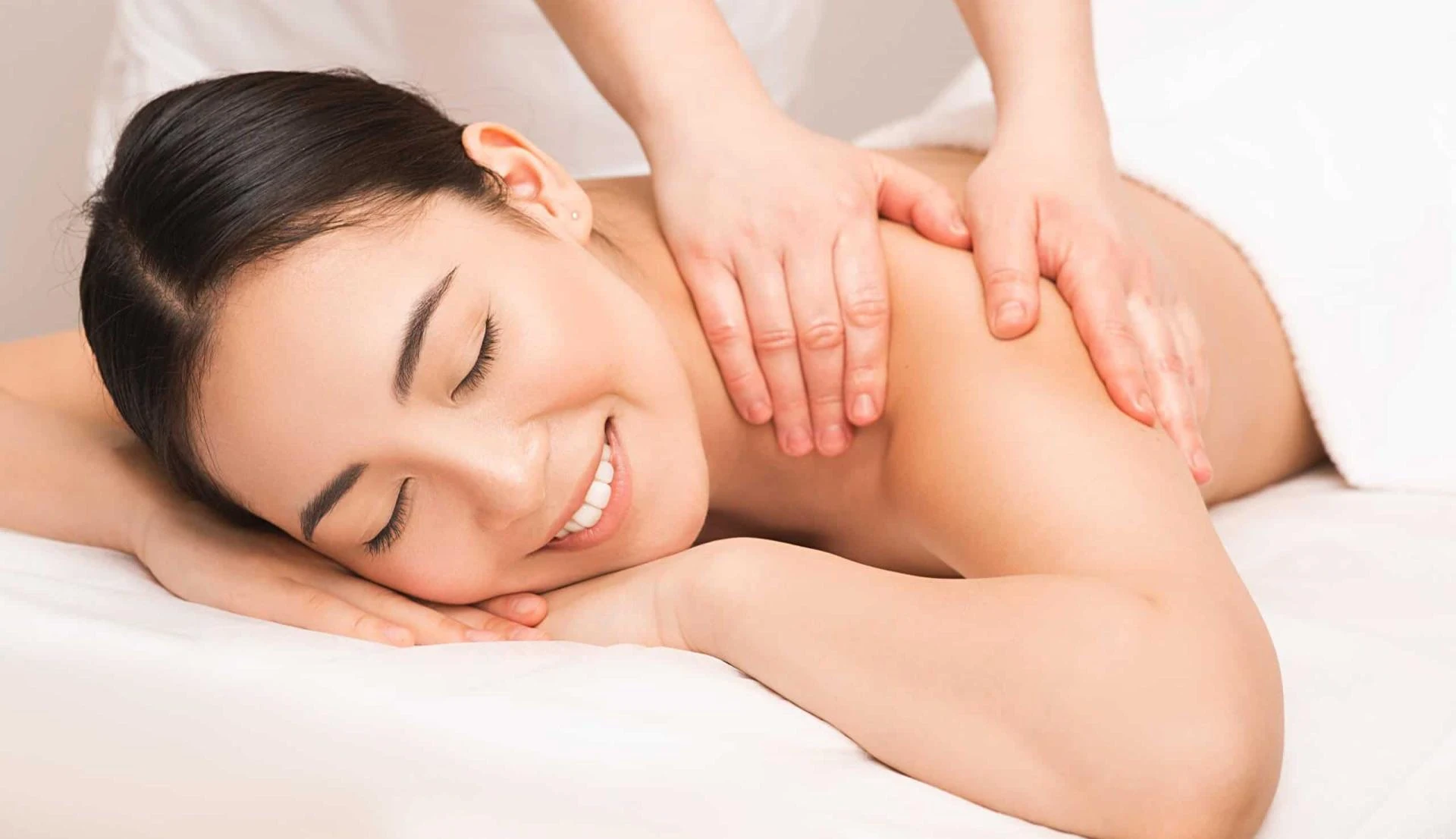
Thai massage, known as "Nuad Thai" in its homeland, is an ancient healing system that combines acupressure, Indian Ayurvedic principles, and assisted yoga postures. Rooted in traditions that date back over 2,500 years, Thai massage is more than just a method of relaxation—it is a therapeutic practice designed to promote physical and emotional well-being.
Unlike Western massage techniques that typically involve lying passively on a table while a therapist applies oil and manipulates the muscles, Thai massage is often described as "lazy man's yoga." It is traditionally performed on a padded mat on the floor, with both the client and the therapist dressed in loose, comfortable clothing. No oils or lotions are used, and the treatment may last anywhere from one to two hours.
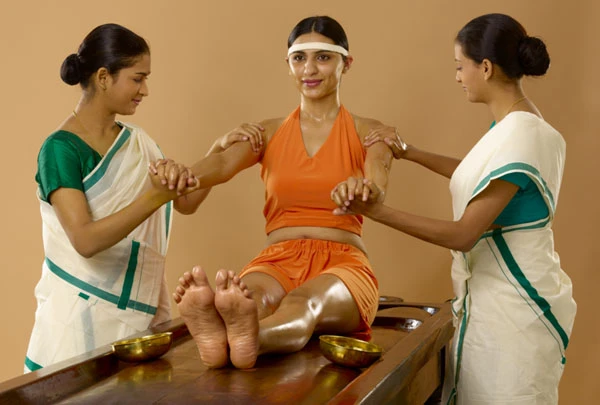
The foundation of Thai massage lies in the belief that life energy flows through the body along ten main channels called "Sen" lines. Practitioners use their hands, thumbs, elbows, knees, and even feet to apply rhythmic pressure along these lines. This pressure is combined with gentle stretching techniques that resemble yoga poses, aimed at improving flexibility, releasing tension, and stimulating internal organs.
One of the key benefits of Thai massage is improved circulation. By applying pressure and stretching the body, the therapy enhances blood flow, which in turn helps oxygen and nutrients reach tissues more efficiently. This boost in circulation also aids the lymphatic system, promoting detoxification and enhancing the immune response.
Another major advantage is stress relief. The meditative nature of Thai massage, combined with deep, intentional breathing and the slow pace of the treatment, helps calm the nervous system. Clients often report a profound sense of relaxation and mental clarity after a session. Additionally, the physical release of tension from muscles and joints contributes to an overall feeling of well-being.
Thai massage can also be beneficial for pain relief, particularly for individuals suffering from back pain, headaches, or joint stiffness. The dynamic movements and acupressure points can help relieve muscle knots, improve posture, and restore balance to the body. For athletes or those recovering from injury, it can also support faster recovery by increasing mobility and reducing inflammation.
Despite its many benefits, Thai massage may not be suitable for everyone. People with certain medical conditions—such as osteoporosis, cardiovascular issues, or recent surgeries—should consult with a healthcare provider before undergoing a session. It's also important to choose a certified practitioner, as proper technique is crucial to the effectiveness and safety of the massage therapy.
In recent years, Thai massage has gained global popularity, with spas and wellness centers around the world offering treatments. However, its roots remain deeply spiritual and holistic. In Thailand, it is still regarded as a sacred practice, often taught in Buddhist temples and passed down through generations.
Whether you're seeking relief from physical discomfort, a boost in flexibility, or a deeper sense of inner peace, Thai massage offers a time-honored path to holistic health. As more people seek natural and integrative approaches to well-being, Thai massage stands out as a powerful blend of bodywork, mindfulness, and ancient healing wisdom.