For families in Uzbekistan facing the lifelong challenge of thalassemia, access to advanced and affordable care is critical. Over the last decade, Thalassemia treatment in India has emerged as a global benchmark—combining medical expertise, modern technology, and cost-effective care. Today, Indian hospitals are transforming outcomes for international patients, especially from Uzbekistan, by offering comprehensive and personalized treatment solutions.
India’s rise as a medical tourism hub is not accidental. It is built on decades of clinical excellence, globally trained doctors, and hospitals equipped with cutting-edge hematology and transplant facilities. For Uzbekistan patients, India offers both hope and healing under one roof.
Understanding Thalassemia and the Need for Specialized Care
Thalassemia is a genetic blood disorder that affects hemoglobin production, often requiring lifelong management. Severe forms demand regular blood transfusions, iron chelation therapy, and in some cases, bone marrow or stem cell transplantation.
What makes treatment complex is the need for:
- Long-term monitoring
- Expert hematologists
- Advanced laboratory support
- Multidisciplinary care teams
This is precisely where Thalassemia treatment in India stands out.
Why Uzbekistan Patients Are Choosing India
Indian hospitals are increasingly preferred by Uzbekistan patients due to a unique combination of quality and affordability. Compared to Europe or other developed nations, treatment costs in India are significantly lower—often by 60–70%—without compromising on outcomes.
Key reasons include:
- Internationally accredited hospitals
- English-speaking medical teams
- Short waiting periods
- Dedicated international patient services
- Visa and travel assistance
For families seeking long-term thalassemia management or curative transplant options, India offers a clear advantage.
Advanced Treatment Options Available in India
Indian healthcare centers provide a full spectrum of thalassemia care, from diagnosis to advanced therapies.
1. Regular Blood Transfusion Programs
Hospitals follow strict protocols to ensure safe and timely transfusions with screened blood products.
2. Iron Chelation Therapy
Advanced chelation medicines help prevent iron overload, a common complication of repeated transfusions.
3. Bone Marrow / Stem Cell Transplantation
India is globally recognized for its expertise in stem cell transplantation. For eligible patients, this can be a curative option.
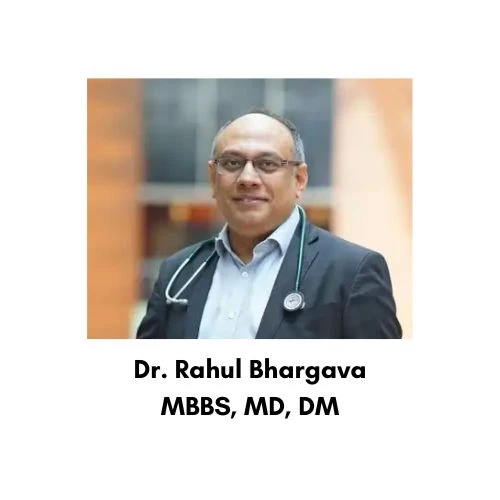
Doctors such as Dr. Rahul Bhargava, a renowned hematologist and stem cell transplant specialist, have played a pivotal role in improving survival rates for thalassemia patients through advanced transplant protocols.
World-Class Hospitals Driving Transformation
Several Indian hospitals are at the forefront of thalassemia care, offering internationally benchmarked treatment standards.
Institutions like Fortis Memorial Research Institute, Medanta – The Medicity, and Apollo Hospitals provide specialized hematology units with modern transplant infrastructure.
These hospitals integrate:
- Advanced diagnostic labs
- HEPA-filtered transplant units
- Infection-controlled environments
- Multilingual patient coordinators
Such comprehensive ecosystems are transforming Thalassemia treatment in India for international patients.
Cost Advantage for Uzbekistan Patients
One of the strongest reasons Uzbekistan patients travel to India is affordability.
Approximate cost comparison:
- Thalassemia management in Europe: Very high
- Thalassemia treatment in India: Affordable and transparent
- Despite lower costs, Indian hospitals maintain global safety standards, making treatment accessible without compromising quality.
- India is home to globally trained hematologists with decades of experience in treating complex blood disorders.
- Indian centers manage thousands of thalassemia cases annually, including international patients.
- Doctors like Dr. Rahul Bhargava are internationally recognized for stem cell transplantation and hematology care.
- High success rates, transparent communication, and patient testimonials build confidence among Uzbekistan families.
Medical Tourism Support for Uzbekistan Patients
Indian hospitals offer end-to-end support:
- Medical visa invitation letters
- Airport pickup and accommodation
- Dedicated international patient desks
- Follow-up care and teleconsultations
This seamless experience makes Thalassemia treatment in India not just medically effective, but emotionally reassuring.
Frequently Asked Questions (FAQs)
Q1. Is thalassemia treatment in India safe for Uzbekistan patients?
Yes. Indian hospitals follow international safety and infection-control protocols.
Q2. Can thalassemia be cured in India?
In eligible cases, stem cell transplantation can offer a permanent cure.
Q3. How long does treatment require staying in India?
It depends on the treatment type—transfusions may require short visits, while transplants need longer stays.
Q4. Are language barriers an issue?
No. International patient teams assist with communication and coordination.
Final Thoughts
India is redefining global standards in hematology care. With expert doctors, advanced hospitals, and patient-centric medical tourism services, Thalassemia treatment in India has become a life-changing option for Uzbekistan patients.
For families seeking not just treatment, but hope, India stands as a trusted destination—where science, compassion, and affordability come together to transform lives.