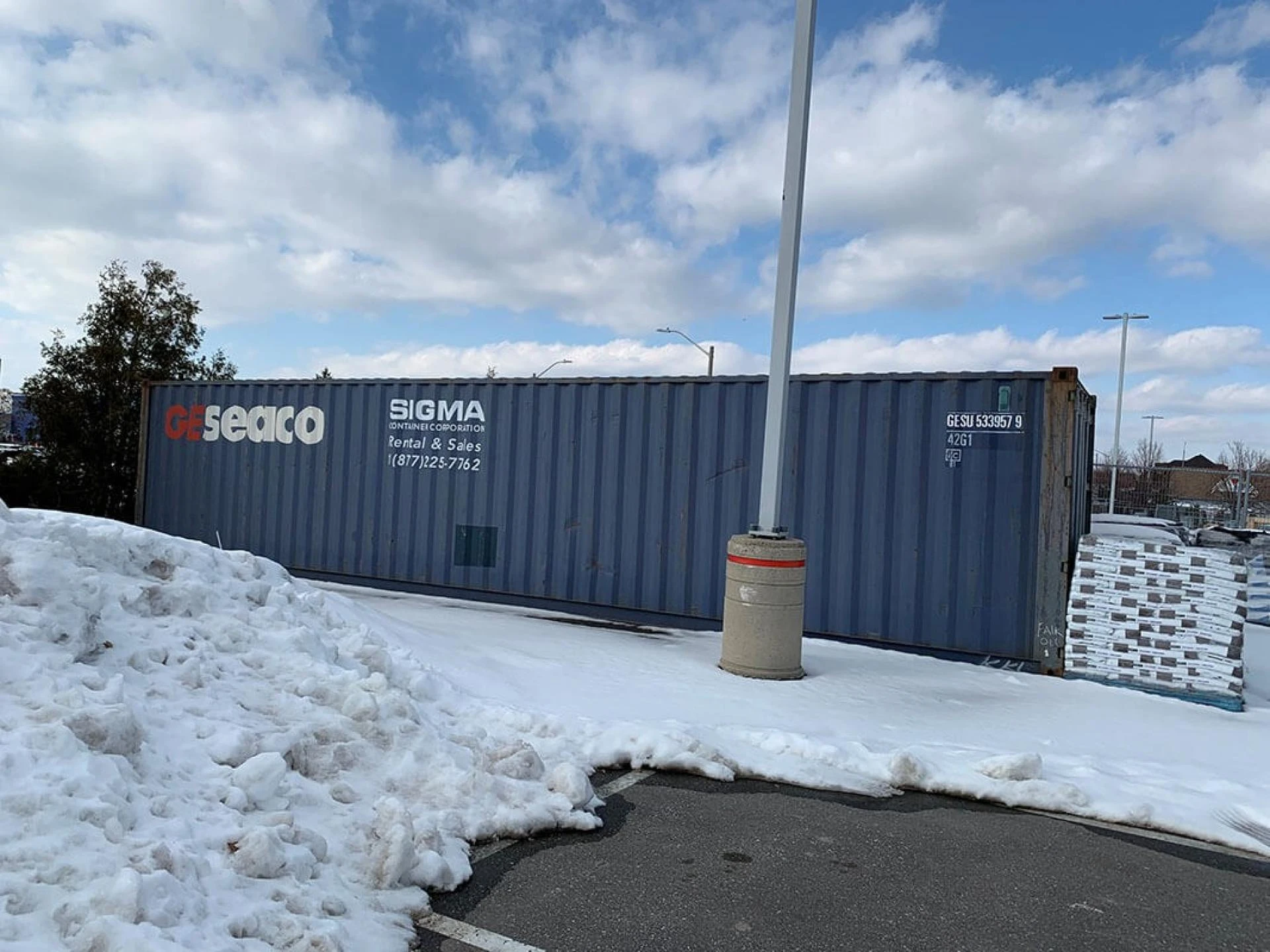
Containerized shipping is the engine of global trade. Nearly every product, from clothing to electronics to food, has spent part of its life inside a steel box traveling across oceans. This system delivers convenience and efficiency, yet it also leaves a significant environmental footprint. As trade volumes grow and shipping routes expand, global container transport faces increasing scrutiny for its emissions, waste, and long term effect on marine and coastal ecosystems. Understanding these impacts is essential for shaping a cleaner and more responsible supply chain.
How Container Shipping Contributes to Global Emissions
Container ships run on heavy fuel oil, a dense and inexpensive petroleum product with high sulfur content. When burned, it releases carbon dioxide, sulfur oxides, nitrogen oxides, and particulate matter. These emissions contribute to climate change, acid rain, and respiratory issues in coastal regions. Although shipping is more efficient per ton mile than road or air transport, the sheer scale of global container traffic makes its total emissions substantial.
Large container vessels are among the most energy efficient machines ever built, yet they still produce massive amounts of carbon due to their size and operating schedules. Ships often travel thousands of miles without stopping, consuming tons of fuel each day. As the global fleet grows, even small increases in vessel efficiency struggle to counteract the rising volume of cargo.
The Impact of Sulfur Emissions and Air Quality
One of the most serious environmental concerns linked to container transport is sulfur pollution. Heavy fuel oil releases high levels of sulfur oxides, which contribute to air pollution that harms both human health and the environment. Coastal cities and port communities experience increased rates of asthma, lung disease, and other health problems because ships burn fuel even when docked.
Recent regulations have lowered sulfur limits in marine fuel and led to the rise of cleaner alternatives like low sulfur fuel and scrubber systems. These steps have reduced local air pollution, but the industry still relies heavily on fossil fuels. Cleaner fuels help, yet they do not fully solve the problem of carbon emissions.
Underwater Noise and Its Effect on Marine Life
Container ships generate powerful underwater noise through their engines and propellers. This noise travels long distances and disrupts marine communication. Whales, dolphins, and other marine mammals rely on sound to navigate, hunt, and communicate, so persistent noise pollution can interfere with their survival.
Migration routes, breeding grounds, and feeding areas overlap with major shipping lanes, which makes the impact even more severe. Although ship design improvements and slower sailing speeds can reduce noise levels, the majority of vessels still operate with older, louder systems.
The Problem of Microplastic Pollution
Most people associate plastic pollution with consumer waste, yet container transport contributes in a less visible way. When containers fall overboard during storms or accidents, their contents spill into the ocean. Many of these containers carry plastic goods, packaging, or pellets used in manufacturing. Over time, these materials break down into microplastics that pollute marine ecosystems and enter the food chain.
The industry loses thousands of containers each year. Even with improved tracking and better stowage procedures, accidents remain a persistent environmental risk.
Ballast Water and the Spread of Invasive Species
To maintain stability, container ships pump seawater into ballast tanks. When they discharge this water in another region, they may release organisms that do not belong in the local ecosystem. This can introduce invasive species that disrupt fisheries, damage infrastructure, and outcompete native marine life.
Ballast water regulations now require treatment systems that neutralize organisms before discharge. These systems help reduce risk, but not all vessels have adopted them yet, especially older ships still in operation.
The Carbon Footprint of Port Operations
The environmental impact of global container transport extends beyond the ships themselves. Port operations also consume significant energy. Cranes, yard tractors, trucks, and refrigerated container storage all rely on fuel or electricity. Ports that lack modern equipment or clean energy sources produce high levels of emissions during cargo handling.
Congested ports add an extra layer of environmental strain. Ships may wait offshore for days, burning fuel while idling. Truck queues and inefficient yard operations further increase the carbon output of global trade.
The Challenge of Ship Recycling
When container ships reach the end of their service life, they require dismantling through a process known as ship breaking. Many older vessels end up in ship breaking yards in developing countries where safety and environmental protections are limited. Workers dismantle massive steel structures by hand, often without proper gear. Hazardous materials like asbestos, oils, and heavy metals can leak into the soil and nearby waters.
There are efforts to promote responsible ship recycling in certified facilities, but low costs still drive many owners toward yards with weaker environmental standards.
Steps Toward Cleaner Container Transport
Despite its environmental impact, container shipping is also undergoing transformation. Several promising approaches are emerging.
Cleaner fuels such as liquefied natural gas, methanol, and ammonia are being tested across new vessel designs. Renewable energy options, including wind assisted propulsion and solar powered systems, help reduce fuel usage on certain routes. Ports are investing in electric cranes, shore power connections, and low emission equipment. Digital route optimization helps ships reduce fuel consumption by choosing more efficient sailing paths. Industry wide commitments aim to reach net zero emissions by mid century. These efforts show progress, yet the scale of global shipping means that widespread adoption will take time.
Conclusion
Global container transport remains essential to the modern economy, but it carries a complex environmental cost. Emissions, underwater noise, plastic pollution, invasive species, and industrial waste all contribute to its footprint. The industry is moving toward cleaner fuels, better technology, and more responsible practices, but meaningful improvement requires long term commitment from shipping lines, ports, regulators, and consumers. A cleaner future for global trade is possible, though it will take consistent effort and innovation to balance economic growth with environmental protection.