Tendonitis is a common musculoskeletal condition that affects people of different ages and activity levels. It occurs when a tendon, the thick fibrous tissue connecting muscles to bones, becomes irritated or inflamed. The condition can cause pain, tenderness, swelling, and difficulty performing everyday movements. Whether it develops because of repetitive activities, sports injuries, physical strain, or age-related changes, early medical attention can help prevent symptoms from becoming persistent.
People searching for tendonitis treatment in Dubai can access a range of healthcare services, including orthopaedic consultations, physiotherapy, diagnostic imaging, medication, and specialised rehabilitation programmes. Understanding the causes, symptoms, and available treatment options is an important first step towards managing tendon-related problems and restoring normal movement.
What Is Tendonitis?
Tendonitis, also known as tendinitis, refers to irritation or inflammation of a tendon. Tendons are responsible for transferring the force generated by muscles to bones, allowing different parts of the body to move.
When a tendon experiences repeated stress or sudden excessive strain, it can become irritated and painful. Tendonitis commonly affects the shoulder, elbow, wrist, knee, and heel.
Some frequently diagnosed types include:
- Shoulder tendonitis: Often involves the rotator cuff tendons and causes discomfort when lifting or rotating the arm.
- Tennis elbow: Affects the tendons on the outer side of the elbow, commonly causing pain during gripping activities.
- Golfer's elbow: Involves the tendons on the inner side of the elbow.
- Patellar tendonitis: Affects the tendon connecting the kneecap to the shinbone and is frequently associated with jumping activities.
- Achilles tendonitis: Causes pain and stiffness in the tendon connecting the calf muscles to the heel.
- Wrist tendonitis: Develops when wrist tendons become irritated, often due to repetitive hand movements.
Although tendonitis is commonly used to describe tendon pain, some long-lasting tendon conditions involve degeneration rather than active inflammation. These are often referred to as tendinopathy.
Common Causes of Tendonitis
Tendonitis can develop due to several factors, including repetitive movements, sports activities, occupational demands, and underlying health conditions.
1. Repetitive Movements
Repeatedly performing the same movement can place excessive stress on a particular tendon. Activities such as typing, lifting objects, painting, gardening, and using handheld devices may contribute to tendon irritation.
2. Sports and Physical Activities
Athletes and physically active individuals may develop tendonitis because of sudden increases in training intensity, inadequate recovery, improper techniques, or excessive exercise.
Running, tennis, weightlifting, football, and basketball are some activities associated with tendon injuries.
3. Age-Related Changes
As people grow older, tendons may gradually lose flexibility and become less capable of tolerating repeated physical stress. This can increase the likelihood of tendon-related problems.
4. Poor Exercise Techniques
Incorrect posture, unsuitable footwear, improper lifting techniques, and insufficient warm-up routines may increase stress on specific tendons.
5. Underlying Medical Conditions
Certain health conditions, including diabetes, rheumatoid arthritis, and other inflammatory disorders, may increase the risk of tendon problems. Some medications, including certain fluoroquinolone antibiotics, can also be associated with tendon injury.
Symptoms of Tendonitis
The symptoms of tendonitis depend on the affected tendon and the severity of the condition. They may develop gradually or appear following an injury or sudden increase in physical activity.
Common symptoms include:
- Pain around the affected joint or tendon.
- Tenderness when touching the affected area.
- Mild swelling or local warmth.
- Stiffness, particularly after periods of inactivity.
- Discomfort during specific movements.
- Reduced flexibility and range of motion.
- Pain that increases during physical activity.
In some cases, discomfort may initially occur only during exercise or repetitive movements. As the condition progresses, pain may also develop during everyday activities.
Severe sudden pain, a popping sensation, significant weakness, or an inability to use the affected limb may indicate a tendon tear or rupture and requires prompt medical evaluation.
How Is Tendonitis Diagnosed?
Accurate diagnosis is essential for choosing the appropriate tendonitis treatment. Healthcare professionals generally begin with a physical examination and review of the patient's symptoms and medical history.
The diagnostic process may include the following:
Physical Examination: The doctor examines the affected area, checks for tenderness and swelling, and evaluates joint movement, strength, and flexibility.
Medical History: Information about previous injuries, exercise routines, occupational activities, and symptom duration helps identify possible causes.
Ultrasound: Musculoskeletal ultrasound can help assess tendon structure, swelling, and certain tendon injuries.
MRI Scan: Magnetic resonance imaging may be recommended when symptoms are persistent or a more detailed assessment of the tendon and surrounding tissues is necessary.
X-rays: Although X-rays do not directly show tendon inflammation, they can help identify bone abnormalities or other conditions contributing to pain.
Not every patient requires advanced imaging. The doctor determines which investigations are appropriate based on the clinical findings.
Effective Tendonitis Treatment in Dubai
Treatment depends on the affected tendon, the severity of symptoms, and whether the problem involves inflammation, degeneration, or an actual tendon injury. Most uncomplicated cases can initially be managed with non-surgical approaches.
1. Rest and Activity Modification
Reducing activities that aggravate the affected tendon is often an important part of treatment. However, complete immobilisation is not always necessary or beneficial.
Doctors may recommend temporarily avoiding high-impact exercises, heavy lifting, or repetitive movements while maintaining comfortable levels of daily activity.
Gradually returning to normal movement helps prevent unnecessary stiffness and loss of muscle strength.
2. Medication for Pain and Inflammation
Depending on the patient's condition, doctors may recommend pain-relieving medications or non-steroidal anti-inflammatory drugs (NSAIDs).
These medicines can help manage short-term pain and inflammation. However, they are not suitable for everyone and may cause side effects, particularly in individuals with certain kidney, stomach, or cardiovascular conditions.
Medication should always be taken according to medical advice.
3. Physiotherapy and Rehabilitation
Physiotherapy is one of the most important treatment approaches for many tendon-related conditions.
A physiotherapist develops an individual rehabilitation programme designed to improve mobility, strengthen surrounding muscles, and gradually restore tendon function.
Treatment may include:
- Gentle stretching exercises.
- Progressive strengthening exercises.
- Eccentric loading exercises where appropriate.
- Mobility and flexibility training.
- Posture and movement correction.
- Functional rehabilitation.
- Guidance on returning to sports and daily activities.
Progressive loading is particularly important in managing many chronic tendon conditions. Exercises should be introduced gradually and adjusted according to pain levels and recovery.
4. Ice Therapy and Supportive Care
Applying an ice pack wrapped in a towel to the affected area for approximately 15–20 minutes may provide temporary relief from pain, particularly after activity.
Depending on the location and severity of the condition, healthcare professionals may also recommend temporary braces, splints, or supportive devices.
These measures can reduce discomfort while the underlying tendon problem is addressed.
5. Shockwave Therapy
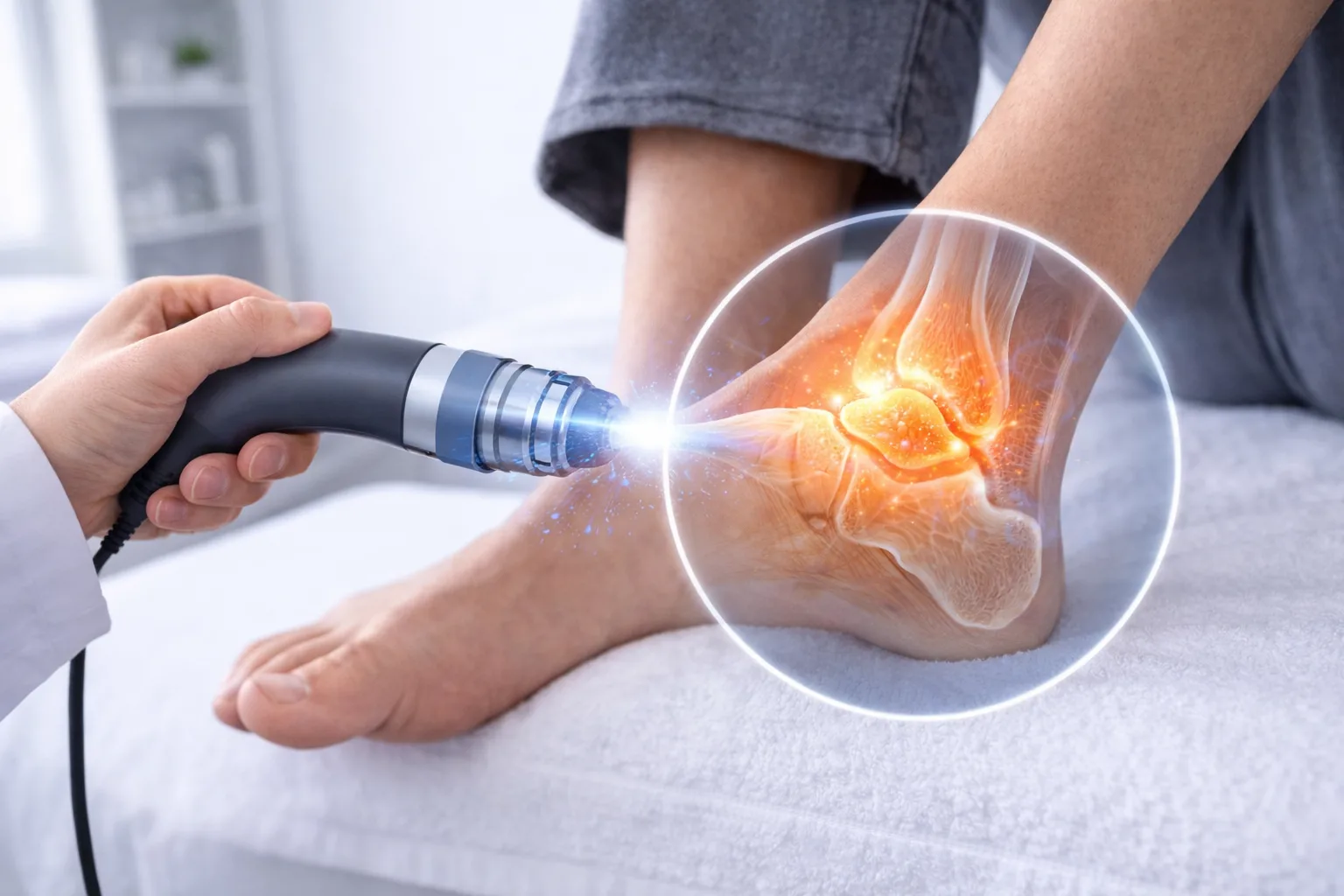
Extracorporeal shockwave therapy (ESWT) is a non-invasive treatment used for certain persistent tendon conditions.
It involves delivering acoustic pressure waves to the affected area using specialised equipment. It may be considered for conditions such as chronic Achilles tendinopathy, plantar fascia-related pain, and some cases of tennis elbow.
The effectiveness of shockwave therapy varies depending on the condition and treatment protocol. It is generally considered alongside an appropriate rehabilitation programme rather than as a replacement for exercise-based treatment.
6. Platelet-Rich Plasma (PRP) Therapy
Platelet-rich plasma therapy involves collecting a small amount of the patient's blood, processing it to concentrate platelets, and injecting the preparation into a targeted area when clinically appropriate.
PRP is sometimes offered for persistent tendon problems. However, research findings differ across tendon conditions, and the treatment is not guaranteed to produce results.
A specialist should explain the available evidence, possible risks, costs, and alternative options before recommending PRP.
7. Surgical Treatment
Surgery is generally considered only when conservative treatment does not provide sufficient improvement or when there is a significant tendon tear or rupture.
Depending on the injury, surgical procedures may involve repairing damaged tendon tissue, removing severely affected tissue, or addressing structural problems contributing to symptoms.
The recovery period depends on the procedure, the affected tendon, and the patient's overall health. Post-surgical physiotherapy is often necessary to restore strength and mobility.
How Long Does Tendonitis Take to Heal?
Recovery time varies depending on the location, severity, and duration of the tendon problem.
Mild cases may improve within a few weeks with appropriate activity modification and rehabilitation. More persistent tendon conditions can take several months to recover.
Factors influencing recovery include:
- The type and location of tendon injury.
- The severity of tendon damage.
- Age and general health.
- Consistency with physiotherapy.
- Activity levels and exercise intensity.
- Underlying medical conditions.
Following a structured treatment plan and avoiding a premature return to strenuous activities can support recovery.
How to Prevent Tendonitis
Although tendonitis cannot always be prevented, certain lifestyle and exercise habits can reduce the risk of developing tendon problems.
Consider these preventive measures:
- Warm up properly before exercising or playing sports.
- Increase workout intensity and duration gradually.
- Use correct exercise techniques and suitable equipment.
- Include rest and recovery days in your fitness routine.
- Strengthen muscles supporting commonly affected joints.
- Maintain proper posture during work and everyday activities.
- Wear appropriate footwear for running and other physical activities.
- Seek medical advice when persistent pain develops.
Individuals who work long hours at desks or perform repetitive manual tasks should also take regular movement breaks.
Choosing the Right Specialist for Tendonitis Treatment in Dubai
Selecting an appropriate healthcare provider is important for accurate diagnosis and effective recovery. Patients should consider consulting a licensed orthopaedic specialist, sports medicine physician, or musculoskeletal healthcare professional depending on their symptoms.
When choosing a clinic, consider the qualifications and experience of its medical team, availability of diagnostic facilities, physiotherapy services, personalised rehabilitation plans, and follow-up care.
A comprehensive treatment approach should address not only the immediate pain but also the factors contributing to tendon irritation or damage.
Conclusion
Tendonitis can affect everyday activities, physical performance, and overall quality of life. However, early diagnosis and appropriate treatment can help many individuals manage symptoms and regain comfortable movement.
People seeking tendonitis treatment in Dubai can explore several options, including medication, physiotherapy, activity modification, shockwave therapy, and selected regenerative procedures. The most suitable approach depends on the type and severity of the tendon condition.
With professional medical guidance, a structured rehabilitation programme, and appropriate lifestyle adjustments, individuals can work towards long-term tendon health and a safe return to their regular activities.