The telehealth revolution, accelerated by the recent global pandemic, has fundamentally changed how patients interact with healthcare providers. Virtual consultations and digital prescriptions have become commonplace, but a significant barrier has remained for a crucial category of healthcare: custom-fitted medical devices. How can you provide a patient with a perfectly tailored physical device without a physical, in-person fitting?
A new trend in health technology is now breaking down that barrier, leveraging the advanced sensors already present in millions of smartphones to bring the custom fitting process directly into the patient's home. This development signals a significant shift in accessibility for devices like custom orthotics, which have traditionally been tethered to a clinical setting.
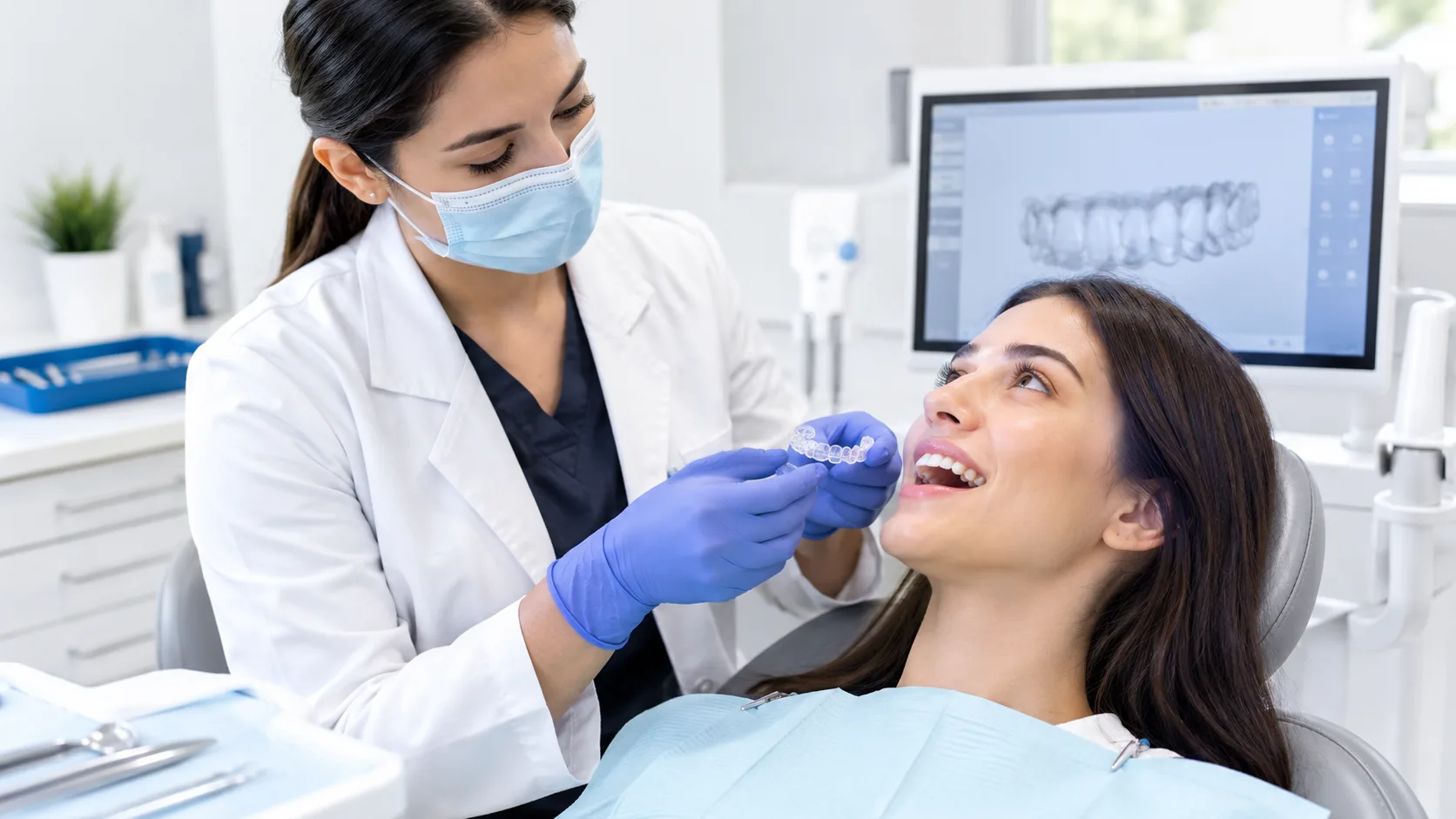
For decades, the process of obtaining a custom orthotic was a high-friction experience. It required a referral, an in-person appointment for a plaster or foam-box impression of the feet, and a lengthy wait while the physical mold was shipped to a lab and fabricated. This model presented significant challenges for patients in rural areas, those with mobility issues, or anyone with a demanding schedule.
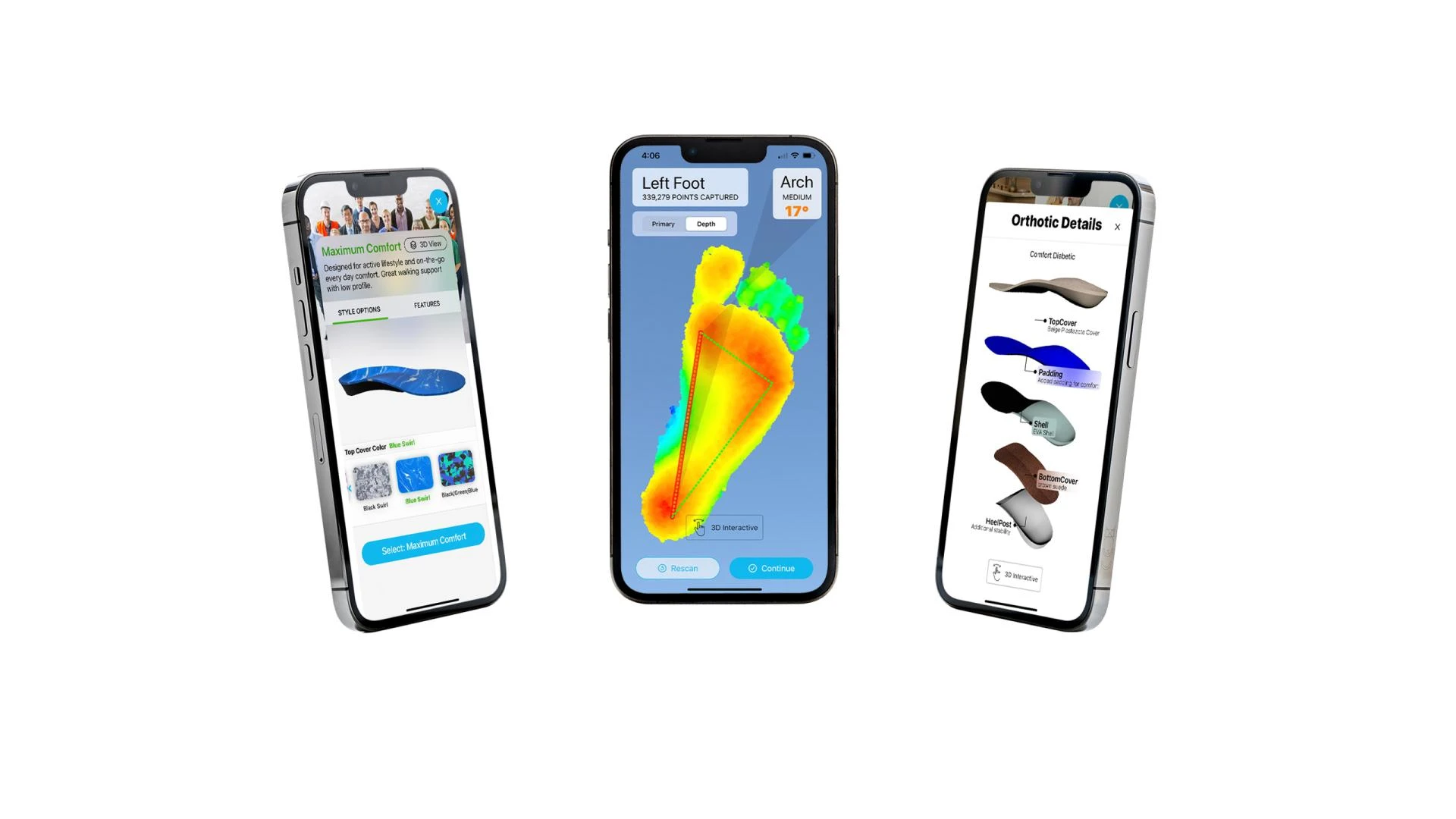
The technological breakthrough comes from a new health app that can perform a clinical-grade 3D scan - the direct-to-consumer platform Fits Perfect: Custom Orthotics. Their application uses the depth-sensing camera on a iPhone to create a sub-millimeter accurate digital 3D foot model. This digital twin of the patient's feet is then uploaded directly to the manufacturing lab, completely bypassing the need for a physical impression.
"This is a game-changer for patient access and compliance," say industry experts. "The ability to capture highly accurate anatomical data from home removes the biggest hurdle in the traditional workflow. It democratizes access to a medical device that can have a profound impact on a person's quality of life."
The impact of this trend is multifaceted:
- Improved Accessibility: Patients are no longer limited by their proximity to a specialist's office.
- Reduced Wait Times: The digital-first process dramatically compresses the timeline from assessment to receiving the final device.
- Enhanced Patient Empowerment: The new model allows patients to take a more active role in their healthcare, initiating the process when they feel the need and educating themselves on the different types of orthotics available for their lifestyle.
Healthcare professionals see this as a positive development, as it provides them with an effective, non-invasive treatment option they can recommend with confidence, knowing their patients can access it easily. By integrating a true custom orthotic into a conservative treatment plan for conditions ranging from plantar fasciitis to chronic lower back pain, clinicians can address foundational biomechanics without adding the burden of multiple appointments.
This shift to at-home 3D scanning is more than a convenience; it represents the next logical step in the evolution of telehealth. It's a move toward a more efficient, accessible, and patient-centric model where the delivery of tangible, personalized medical devices is finally catching up to the digital age.