
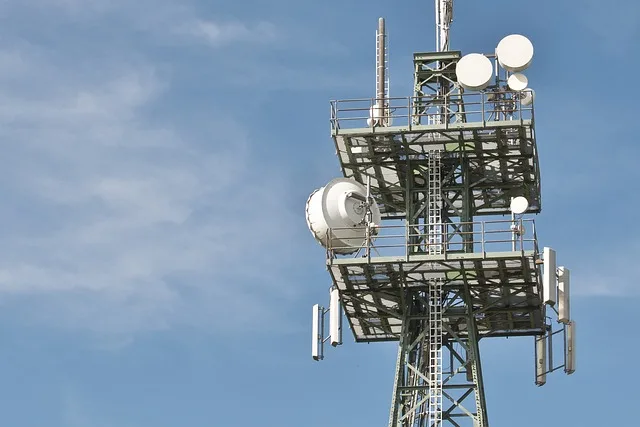
Telecommunications infrastructure makes modern communication possible by connecting people, businesses, communities, and organizations across cities, countries, and continents. It includes the physical and wireless networks that carry voice, internet, and data services, ranging from underground fiber-optic cables to cell towers, satellites, and submarine cable systems. As demand for reliable connectivity continues to grow, understanding where these assets are located and how they connect has become increasingly important.
Telecom infrastructure data provides the information organizations need to evaluate network availability, identify service providers, plan infrastructure investments, and make informed decisions about connectivity. By bringing together information about different network assets, this data offers a clearer picture of how telecommunications networks are distributed and where opportunities for development may exist.
What Is Telecommunications Infrastructure?
Telecommunications infrastructure refers to the interconnected networks and equipment that enable communication over local, regional, national, and international distances. These networks may use wired connections, wireless technology, or a combination of both, depending on the geography and connectivity requirements of an area.
In urban environments, telecommunications infrastructure often includes extensive fiber-optic networks, central offices, cell towers, and broadband connections. Rural and remote areas may rely on different combinations of wireless networks, terrestrial connections, satellite technology, and other infrastructure to provide communication services.
The infrastructure also extends beyond local networks. Submarine cables connect countries and continents, allowing international data traffic to travel across oceans. Satellites and microwave systems provide additional connectivity options where conventional wired networks may be difficult or expensive to deploy.
As telecommunications technology develops, infrastructure continues to evolve. The expansion of fiber networks, improvements in wireless connectivity, and deployment of 5G technology all contribute to a changing network landscape. Organizations therefore need current information to understand existing infrastructure and plan for future connectivity requirements.
What Information Is Included in Telecom Infrastructure Data?
Telecom infrastructure data consists of datasets describing the locations, routes, boundaries, and availability of telecommunications assets. These datasets help organizations understand where networks operate, which providers have infrastructure in particular areas, and how different network components relate to one another.
Several asset categories are particularly useful when evaluating telecommunications infrastructure.
Carrier Fiber Routes and Fiber-Lit Buildings
Carrier fiber routes show the paths used by telecommunications providers to deliver high-capacity connectivity. Understanding these routes can help organizations identify areas served by fiber infrastructure and evaluate potential network expansion opportunities.
Fiber-lit buildings provide another important perspective. This information identifies buildings with access to fiber connectivity, helping businesses and other organizations assess locations where high-speed network services may be available.
Cell Towers and Broadband Networks
Cell tower data provides information about the locations of wireless infrastructure. This can support network planning, coverage evaluation, and decisions involving wireless connectivity.
Broadband datasets offer additional insight into available network services. These may include broadband fiber, broadband wireless, and broadband terrestrial infrastructure. Examining these categories together helps organizations develop a broader understanding of connectivity options across different geographic areas.
Data Centers and Central Offices
Data centers are important components of the telecommunications ecosystem because they support the storage, processing, and distribution of digital information. Their locations can be relevant when evaluating network connectivity and the infrastructure supporting data-intensive operations.
Central offices are facilities used by telecommunications providers to house equipment and connect customers to their networks. Information about central office locations can help organizations understand the distribution of telecommunications facilities within a service area.
Wire Center Boundaries and Carrier Network Maps
Wire center data boundaries provide geographic information associated with telecommunications network facilities. These boundaries can help organizations examine service areas and understand how network infrastructure is organized.
Carrier network maps bring together information about provider infrastructure and network distribution. They can be useful for evaluating where telecommunications companies operate and identifying potential connectivity opportunities.
Submarine Cables, LATAs, and Area Code Boundaries
Submarine cables and their landing locations form a critical part of international telecommunications infrastructure. These systems carry significant volumes of data between countries and continents.
Local Access and Transport Areas, commonly known as LATAs, and area code boundaries provide additional geographic context. When combined with other infrastructure datasets, these boundaries can help organizations analyze telecommunications regions and understand how network information relates to specific locations.
Cable multiple system operators, or cable MSOs, are another relevant dataset category, providing information associated with cable network providers.
How Is Telecom Infrastructure Data Used?
Telecom infrastructure data supports a range of activities involving the monitoring, planning, operation, maintenance, and expansion of communication networks. It helps organizations understand existing infrastructure before making decisions that could affect network performance, coverage, or investment.
One important application is infrastructure development. Organizations planning to install additional fiber-optic cables need to understand existing routes and network availability. Infrastructure data can help identify areas where new connections may be needed and provide geographic context for planning potential installations.
Data also supports the location and evaluation of wireless infrastructure. Information about cell towers and carrier networks can assist with identifying potential sites, examining coverage conditions, and planning improvements to wireless connectivity.
Other operational applications include testing radio antennas, installing standard telephone equipment, maintaining network assets, and evaluating existing telecommunications facilities. Having access to organized infrastructure information can make these activities easier to plan and coordinate.
Industries That Benefit From Telecommunications Infrastructure Data
Telecommunications infrastructure information is useful beyond the companies that build and operate communication networks. Many industries rely on connectivity when evaluating locations, planning investments, and developing infrastructure projects.
Infrastructure and economic development organizations use connectivity information when assessing areas for development. Reliable telecommunications access can influence where businesses establish operations, where new facilities are constructed, and which locations are suitable for technology-dependent projects.
Private enterprises may use infrastructure datasets to compare potential business locations. A company evaluating a new office, warehouse, or commercial facility may need to understand which providers operate nearby and what types of connectivity are available.
Local, state, and federal government agencies can use telecom data to evaluate network availability, support infrastructure planning, and identify areas where additional connectivity may be needed. Geographic information can also contribute to broader economic development and public infrastructure initiatives.
Energy companies may depend on telecommunications networks to support operational communications, monitoring, and connected infrastructure. Understanding nearby fiber routes and wireless assets can help inform planning for energy-related projects.
Finance and investment organizations can use infrastructure information when evaluating telecommunications assets, network development opportunities, and the connectivity potential of particular markets.
Real estate professionals may consider telecommunications availability when assessing commercial and residential properties. Access to fiber and broadband services can be an important factor for businesses and occupants that depend on reliable internet connections.
Academic institutions and consultants can also benefit from infrastructure datasets when conducting geographic analysis, researching connectivity patterns, or supporting planning and advisory projects.
Why Accurate and Updated Telecom Data Matters
Telecommunications networks are constantly changing. Providers expand fiber routes, install new wireless infrastructure, upgrade existing facilities, and introduce new technologies. As these changes occur, older datasets may no longer provide an accurate representation of available connectivity.
Outdated information can affect decisions about site selection, network development, and infrastructure investment. For example, a business evaluating a property may rely on inaccurate assumptions about nearby fiber access. Similarly, an organization planning a network expansion may overlook existing infrastructure if its location data is incomplete.
Accurate and regularly updated telecom infrastructure data helps reduce these information gaps. It provides a more dependable foundation for comparing locations, evaluating network availability, and understanding the distribution of telecommunications assets.
The value of this information also increases when different datasets are considered together. Fiber routes, cell towers, data centers, central offices, broadband coverage, and geographic boundaries each provide a different perspective. Combining them can help organizations build a more complete understanding of the telecommunications environment.
Making Better Decisions With Telecom Infrastructure Data
Telecom infrastructure is the foundation of modern connectivity, but understanding its geographic distribution requires more than knowing which providers operate in a particular market. Organizations need detailed information about network routes, facilities, coverage, and supporting assets to evaluate opportunities and make informed decisions.
Telecom infrastructure data brings these elements together. Whether the goal is planning fiber-optic installations, evaluating cell tower locations, researching broadband availability, selecting a business site, or assessing infrastructure investment opportunities, reliable datasets can provide valuable geographic and operational insight.
As connectivity requirements continue to expand across industries, access to accurate telecommunications infrastructure information will remain important for organizations responsible for building, operating, investing in, and depending on connected networks.