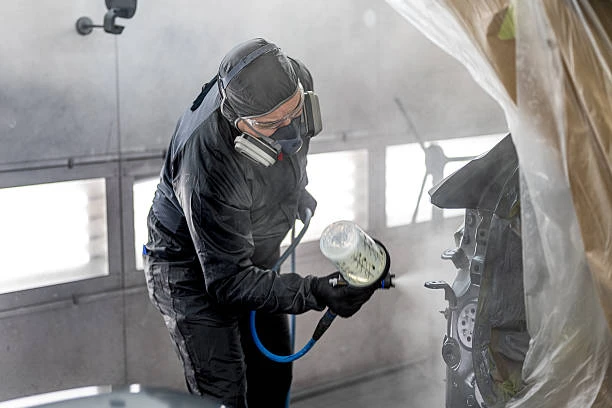
The world of industrial metal finishing is governed by precision and science. It is an industry where a few microns can make the difference between a successful product and a total mechanical failure. As manufacturing processes become more advanced, the demand for high-quality finishing services has never been higher, particularly in sectors where reliability is non-negotiable.
Professional finishers focus on improving the performance and longevity of metal parts through precise, high-quality coating processes. By adhering to international technical standards, these services provide a level of protection that allows automotive, aerospace, and industrial components to function reliably in the most challenging conditions.
The Engineering Behind Powder Coating
Designers specify dry finishing processes because of their remarkable consistency and durability. In an industrial setting, the goal is to create a finish that is functional first and aesthetic second. This involves selecting the right resin type—such as epoxy, polyester, or a hybrid—to match the specific needs of the part.
By choosing powder coating as the primary finishing method, manufacturers are investing in a process that offers superior edge coverage and a much more resilient surface than traditional paint. The electrostatic application ensures that the powder reaches into every corner, providing a thick, uniform layer that protects against the elements.
Meeting Aerospace and Automotive Requirements
The aerospace and automotive industries have some of the strictest finishing requirements in the world. Parts must be able to withstand rapid temperature changes, high-pressure environments, and exposure to corrosive fluids. Finishing services must be able to document their processes and verify that every part meets these exacting standards.
The Science of the Curing Process
Curing is more than just drying; it is a chemical transformation. In the curing oven, the heat triggers a reaction that bonds the powder particles together and to the metal substrate. This "cross-linking" creates a surface that is chemically stable and physically tough, making it the perfect choice for parts that will be subjected to mechanical stress.
Preparation: The Key to Coating Longevity
The longevity of a finish is determined 90% by the quality of the surface preparation and only 10% by the application of the coating itself. If the metal is not properly cleaned and profiled, the coating will not have the mechanical "grip" it needs to stay attached over the long term.
Shot Blasting for Surface Profiling
Shot blasting is a mechanical cleaning technique that is essential for industrial-scale finishing. It uses high-speed abrasive particles to strip away contaminants and create a "profile" on the metal. This profile increases the surface area available for the coating to bond to, significantly improving the overall adhesion and durability of the finish.
Multi-Stage Pre-treatment Systems
After the mechanical cleaning of shot blasting, parts move through a series of chemical stages. These stages often include an alkaline degreaser to remove oils, a freshwater rinse, and a final conversion coating. This chemical layer provides a base that is both corrosion-resistant and highly receptive to the final finish.
Quality Testing and Performance Validation
A high-quality finishing operation is built on a foundation of testing. Parts are inspected and tested for quality, including thickness, adhesion, and corrosion resistance, to meet technical standards. This data-driven approach gives clients the confidence that their parts will perform as expected in the field.
Essential Performance Tests
- Impact Testing: Dropping a weight to ensure the coating doesn't crack upon sudden force.
- MEK Rub Test: Ensuring the coating is fully cured and chemically resistant.
- Gloss and Color Measurement: Verifying the aesthetic consistency across large production batches.
Conclusion
The strategic value of professional metal finishing cannot be overstated. By focusing on the durability and resistance of metal parts through precise, high-quality coating processes, finishing experts allow manufacturers to build better, longer-lasting products. From initial shot blasting to the final quality report, every step is a critical link in the chain of industrial excellence.