Introduction: Why Pool Temperature Matters
Swimming pools are a great way to relax, exercise, or enjoy time with family. But have you ever jumped into a pool and felt like the water was too cold or too warm? That’s where a pool temperature sensor comes in. It helps you check the water temperature so that it’s always just right.
Whether you have a small backyard pool or a large commercial one, knowing the exact water temperature is important. A pool temperature sensor gives you accurate readings and helps maintain the perfect pool conditions. In this article, we will explain everything about pool temperature sensors in very simple words.
Let’s understand how these sensors work, what types are available, how to choose one, how to install it, and how to take care of it. We will also answer some common questions at the end. This guide will help you make the best choice for your swimming pool.
1. What Is a Pool Temperature Sensor?
A pool temperature sensor is a small device that measures the temperature of the water in your pool. It sends this temperature reading to a digital display or your smartphone, so you can always see how warm or cold your pool is.
These sensors are used in both home and public pools. They help pool owners keep the water at a comfortable and safe level. Some sensors work with pool heaters and can even adjust the water temperature automatically.
Key Features of Pool Temperature Sensors:
- Measures water temperature accurately
- Easy to install and use
- Can be wireless or wired
- Works with pool heating systems
- Sends data to a control system or app
Whether you swim daily or once a week, having a pool temperature sensor can improve your swimming experience.
2. Different Types of Pool Temperature Sensors
There are many types of pool temperature sensors available. Each type works a little differently. Choosing the right one depends on your pool size, budget, and whether your pool is indoor or outdoor.
Common Types of Pool Temperature Sensors:
a) Digital Sensors:
These sensors show the water temperature on a digital screen. They are accurate and easy to read.
b) Wireless Sensors:
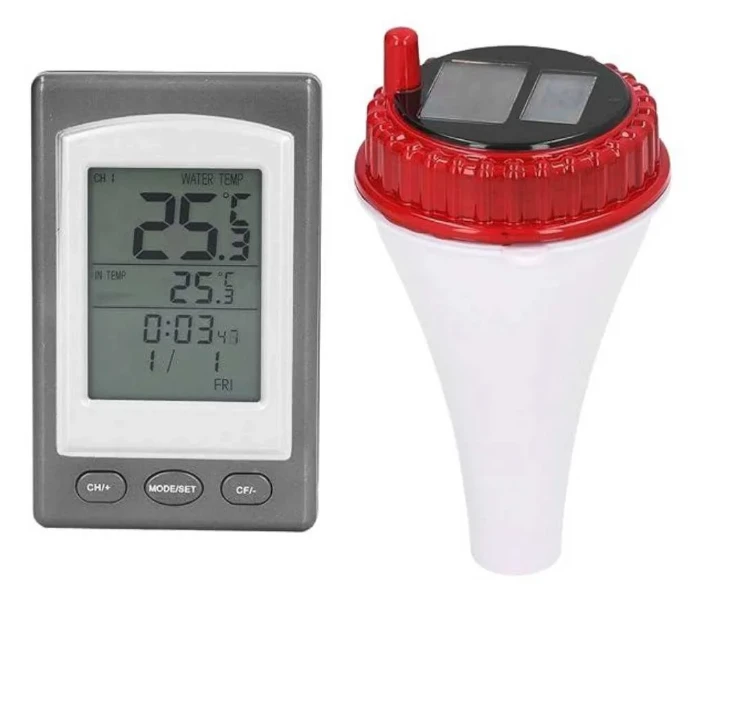
Wireless sensors send temperature data to your phone or smart pool system. No cables are needed, which makes them easy to install.
c) Floating Sensors:
These sensors float on the pool surface. They are often solar-powered and are ideal for small home pools.
d) In-Line Sensors:
Installed inside the pool plumbing, these sensors are hidden and give accurate temperature readings. They are perfect for large or heated pools.
e) Infrared Sensors:
These are non-contact sensors that measure the surface temperature of the pool water. They are quick but not as accurate as others.
No matter which type you choose, make sure it’s designed specifically for pool use. Ordinary temperature sensors may not survive in water for long.
3. How to Choose the Right Pool Temperature Sensor
Buying the best pool temperature sensor depends on a few important things. You should consider the size of your pool, your budget, how often you use the pool, and whether it is heated or not.
Things to Consider:
a) Accuracy:
You need a sensor that gives the correct temperature every time. Look for sensors with high accuracy ratings (±1°C or better).
b) Compatibility:
Some sensors work with heaters or smart pool systems. Make sure the sensor fits your pool setup.
c) Durability:
Since the sensor stays in water, it should be waterproof and strong. Go for weatherproof and rust-proof materials.
d) Ease of Use:
Choose a sensor that is simple to install and read. Wireless and digital options are best for ease.
e) Price:
There are affordable options and more advanced ones. Buy one that fits your budget but still meets your needs.
f) Reviews and Ratings:
Before buying, read customer reviews. It helps you know if the sensor is reliable and performs well in real-life use.
By choosing the right pool temperature sensor, you can enjoy a comfortable swim every time.
4. Installing a Pool Temperature Sensor Step by Step
Installing a pool temperature sensor may sound difficult, but it’s actually very simple. You don’t always need professional help. Most sensors come with easy instructions.
Step-by-Step Guide:
Step 1: Read the Manual
Before starting, read the installation guide that comes with your sensor.
Step 2: Choose a Good Location
If it’s a floating sensor, place it where water is calm. For in-line sensors, install them near the pump or heater.
Step 3: Mount the Sensor
Follow the instructions to fix or float the sensor in the pool. For wired models, connect the cable properly.
Step 4: Connect to Display or App
Digital and wireless sensors will show the temperature on a screen or mobile app. Make sure the connection is working.
Step 5: Test the Sensor
After installation, compare the sensor reading with a thermometer. This helps check if it’s working correctly.
Installing your pool temperature sensor correctly means more accurate readings and a better swimming experience.
5. Benefits of Using a Pool Temperature Sensor
There are many advantages to using a pool temperature sensor. Whether you are a pool owner, manager, or just a swimmer, this small device can make a big difference.
Top Benefits:
a) Comfort:
No one likes to swim in freezing or boiling water. A temperature sensor helps keep the water just right.
b) Safety:
Cold water can be dangerous, especially for kids or older adults. The sensor ensures a safe swimming environment.
c) Saves Energy:
When used with a pool heater, sensors help avoid overheating. This reduces electricity bills.
d) Easy Pool Management:
If you manage a public or commercial pool, sensors help you maintain the correct water temperature for all users.
e) Smart Features:
Modern sensors work with smart home systems. You can monitor and adjust pool temperature from anywhere.
f) Long-Term Use:
A good pool temperature sensor can last for years with minimal maintenance.
By using a temperature sensor, you get the perfect mix of comfort, control, and convenience.
6. How to Maintain a Pool Temperature Sensor
Once you install a pool temperature sensor, you must take care of it. Regular maintenance keeps the sensor working well and extends its life.
Maintenance Tips:
a) Clean Regularly:
Wipe the sensor gently with a soft cloth. Remove any dirt or algae that may affect readings.
b) Check Battery:
If it’s a wireless sensor, check the battery every few months. Replace it when needed.
c) Protect from Harsh Weather:
Bring floating or exposed sensors indoors during storms or extreme temperatures.
d) Check Calibration:
If readings seem off, compare with a separate thermometer. Recalibrate if possible.
e) Store Properly in Off-Season:
If you close your pool during winter, remove the sensor and store it in a dry, safe place.
Taking good care of your pool temperature sensor ensures it stays accurate and reliable all year round.
Conclusion: Enjoy Your Pool with the Right Sensor
A pool temperature sensor is a smart and simple tool for any pool owner. It gives you the power to know your water temperature anytime and keep your pool just right. With so many types available, there’s a perfect sensor for every pool and budget.
From helping you save energy to improving your swimming comfort, a pool temperature sensor offers many benefits. It’s easy to install, simple to use, and makes pool management stress-free.
So if you want a better swimming experience, don’t wait. Pick the best pool temperature sensor today and enjoy your pool every time you dive in.
Frequently Asked Questions (FAQ)
Q1: What is a pool temperature sensor used for?
A pool temperature sensor measures the water temperature in your pool. It helps keep the water at a comfortable and safe level.
Q2: Are pool temperature sensors waterproof?
Yes, all good pool temperature sensors are waterproof and designed to work in water without damage.
Q3: Can I install a pool temperature sensor myself?
Most pool temperature sensors are easy to install. You can do it yourself by following the instructions.
Q4: How do I know if my sensor is accurate?
You can compare its reading with a regular pool thermometer. If both match closely, the sensor is working fine.
Q5: Do I need a pool temperature sensor for a heated pool?
Yes. A sensor helps monitor and adjust the water temperature to avoid overheating and save energy.
Q6: How often should I clean my sensor?
Clean it every few weeks or when you notice any dirt or algae on it. Regular cleaning helps maintain accuracy.
Q7: What is the price of a good pool temperature sensor?
Prices vary. Basic models start around ₹1,500–₹2,000, while advanced ones can cost ₹5,000 or more.
Q8: Can I connect a pool temperature sensor to my phone?
Yes, many modern sensors are wireless and come with mobile apps that show you the temperature in real time.