Winters in Canada can be icy and snowy, so your car needs extra care. One of the most important things to look after is your tires. Winter tire care is essential. Winter tires are a must. We'll also share tips to keep your tires in good shape during the cold months.
Why You Need Winter Tires in Canada
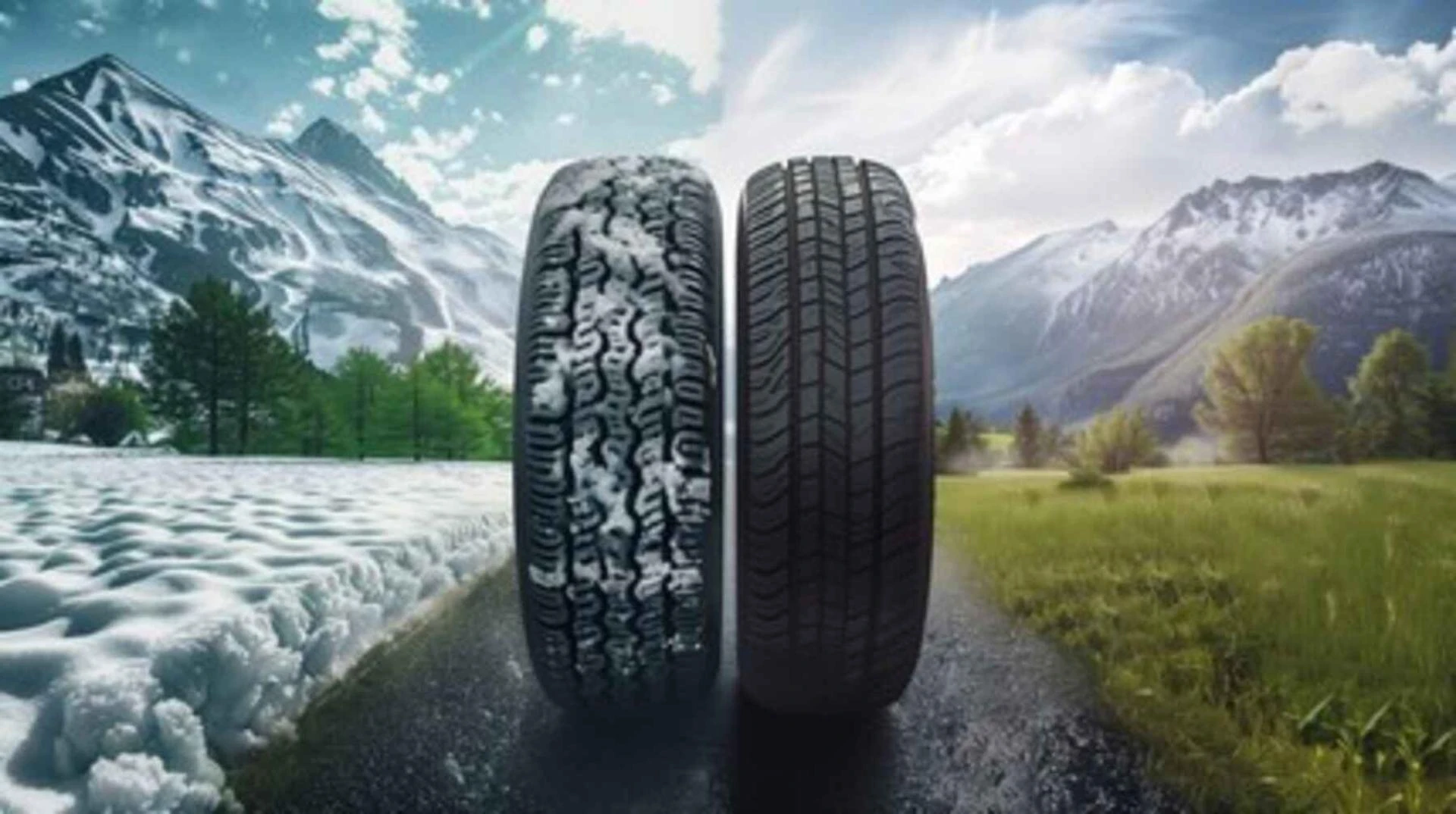
Regular tires become hard when the temperature drops below 7°C. This makes them lose their grip on the road. Winter tires are different. They are made with softer rubber and unique patterns. This helps them stay flexible and hold the road better in snow and ice.
In some parts of Canada, like Quebec, using winter tires is the law during certain months. But even where it's not required, switching to winter tires is still the smart and safe thing to do.
When to Change to Winter Tires
Don't wait for the first big snowstorm. Change your tires when the temperature stays below 7°C. This usually happens in October or November.
Also, check the manufacturing date if you're buying new winter tires. Old tires, even if unused, may not work well. It's best to purchase tires made in the last couple of years.
Check Tire Pressure Often
Cold weather makes the air inside your tires shrink. This means your tire pressure can drop without you even noticing. Low pressure can cause poor grip, lower fuel efficiency, and make your tires wear out faster.
Use a simple tire pressure gauge to check the pressure once a week. You can find the correct pressure level for your car on a sticker inside the driver's door or in your owner's manual.
Tip: Check the pressure when the tires are cold (before driving).
Look at Tread Depth
The tread is the part of the tire that touches the road. In winter, deeper tread helps your tires grip better in snow and slush.
You can use a tread depth gauge or even try the "toonie test": place a $2 coin into the tread. If you can see the bear's paws, your tread might be too low, and it's time to replace the tires.
Rotate Your Tires
Rotating your tires means changing their position. For example, moving the front tires to the back and the back ones to the front. Doing this every 8,000 to 10,000 km helps all tires wear evenly.
Even tire wear helps your tires last longer. It also makes your drive smoother and safer, especially in winter.
Store Your Other Tires the Right Way
Don't forget your regular all-season tires when you put on your winter tires. Clean them, label them (front left, rear right, etc.), and store them in a dry place away from sunlight and heat.
Using tire bags is also a good idea. It keeps the tires safe from dust and moisture.
Drive Carefully in Winter
Even with good winter tires, winter driving needs extra care. Don't speed up too fast. Brake slowly. Take turns gently. Even with the best tires, black ice and snow can still be dangerous.
If your car has a tire pressure warning light and it turns on, don't ignore it. Check your pressure right away.
Final Words
Canadian winters are harsh, but you can stay safe on the roads with the right tires and care. Switch to winter tires on time. Check your tire pressure often. Watch the tread depth. Drive safely. Taking care of your tires can prevent accidents. It also helps you save money and keeps your car running smoothly all year.