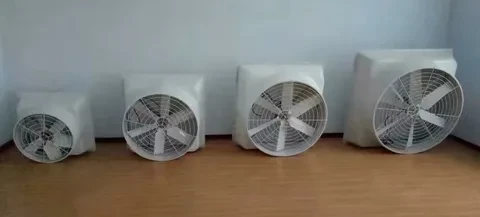
Proper ventilation plays a major role in maintaining healthy indoor environments, especially in industrial and commercial spaces. A well-planned exhaust system helps remove heat, fumes, moisture, and airborne pollutants efficiently. One reliable solution widely used today is the FRP fiberglass exhaust fan, known for its durability and performance in demanding conditions. Understanding how to use this solution strategically can help achieve better airflow, lower maintenance issues, and improved air quality over the long term.
Understanding the Importance of Smart Airflow Planning
Airflow improvement is not only about installing an exhaust unit; it also depends on how well the system is planned. Poor placement or incorrect capacity selection can reduce efficiency and increase energy costs. Before installation, it is important to analyze the size of the space, the type of contaminants generated, and the required air changes per hour. Proper planning ensures that the exhaust setup works effectively without overloading the system.
Choosing the Right Material for Harsh Environments
One of the most effective tactics for better airflow is selecting materials that can withstand challenging conditions. Fiberglass-reinforced plastic is highly resistant to corrosion, chemicals, and moisture. This makes it suitable for environments such as factories, laboratories, kitchens, and wastewater facilities. When the fan structure remains unaffected by rust or chemical damage, airflow remains consistent and reliable for years.
Correct Placement for Maximum Efficiency
Placement has a direct impact on how efficiently air is removed. Installing exhaust units closer to the source of heat, fumes, or odors allows contaminants to be captured quickly. Ceiling or wall-mounted installations should be planned so that fresh air enters from the opposite side, creating a smooth airflow path. This balanced movement prevents stagnant air pockets and improves overall ventilation performance.
Matching Fan Capacity With Space Requirements
Another important tactic is selecting the correct fan capacity. Oversized units may consume unnecessary power, while undersized ones may fail to ventilate properly. Calculating airflow requirements based on room volume and usage helps maintain a comfortable and safe environment. Proper capacity selection also reduces wear on components, leading to longer operational life.
Maintenance Practices That Sustain Airflow
Even the best ventilation systems need regular care. Periodic inspection, cleaning of blades, and checking mounts help maintain steady airflow. Fiberglass-based systems require less maintenance compared to metal alternatives, but routine checks still ensure that dust buildup or external obstructions do not reduce performance. Preventive maintenance supports consistent airflow and lowers long-term repair costs.
Energy Efficiency and Noise Control Benefits
Modern exhaust solutions are designed to operate efficiently while maintaining low noise levels. Efficient airflow reduces the need for multiple ventilation units, helping save energy. Proper installation and balanced airflow also minimize vibration and operational noise, making the environment more comfortable for occupants.
Conclusion
Improving airflow requires a combination of smart planning, durable materials, correct placement, and ongoing maintenance. When these tactics are applied correctly, ventilation systems perform reliably even in demanding environments. Businesses seeking long-term efficiency and dependable air movement can benefit from solutions offered by Presto Electromechanics Company LLC, known for delivering quality exhaust and ventilation systems tailored to practical needs.