
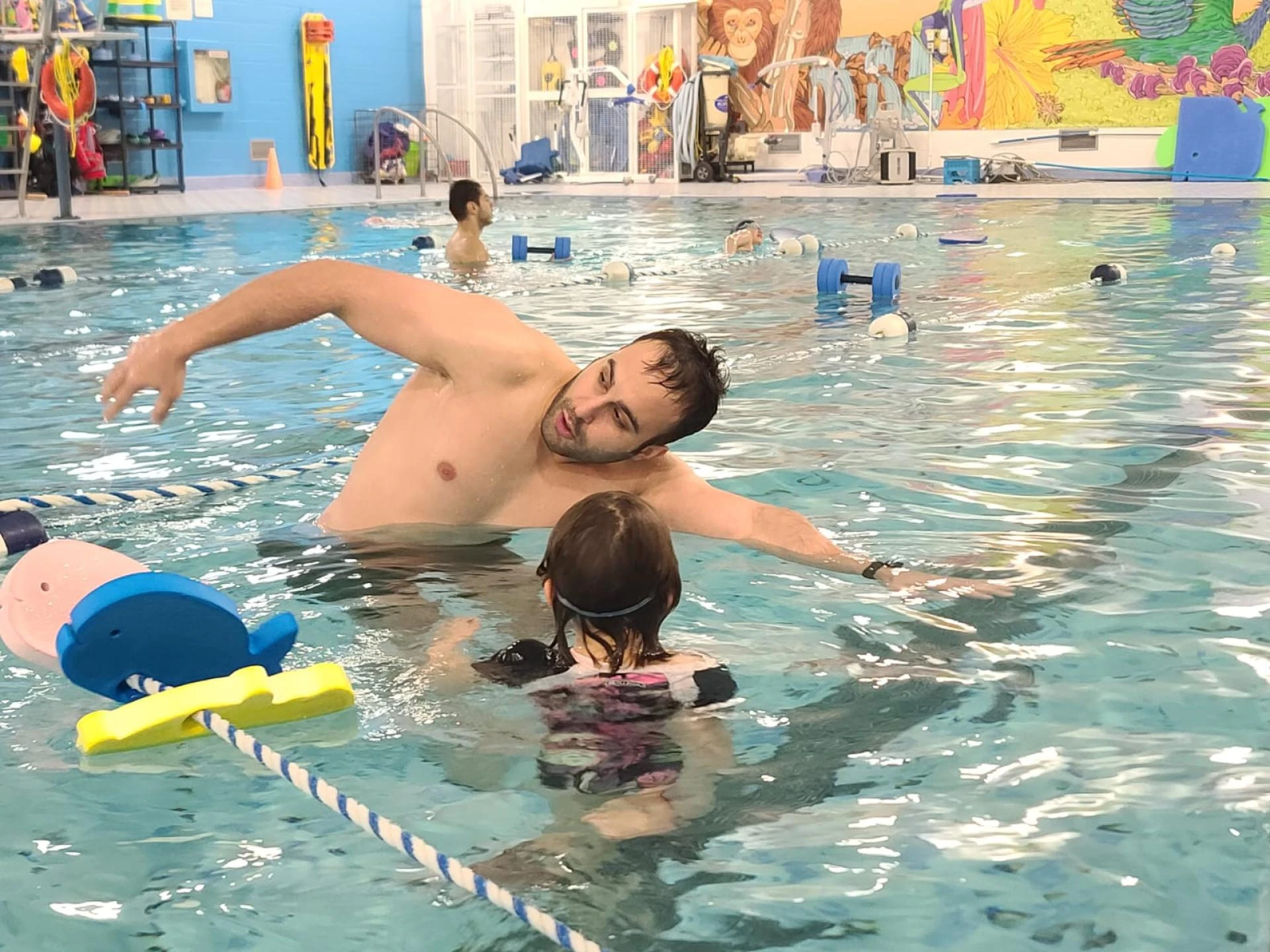
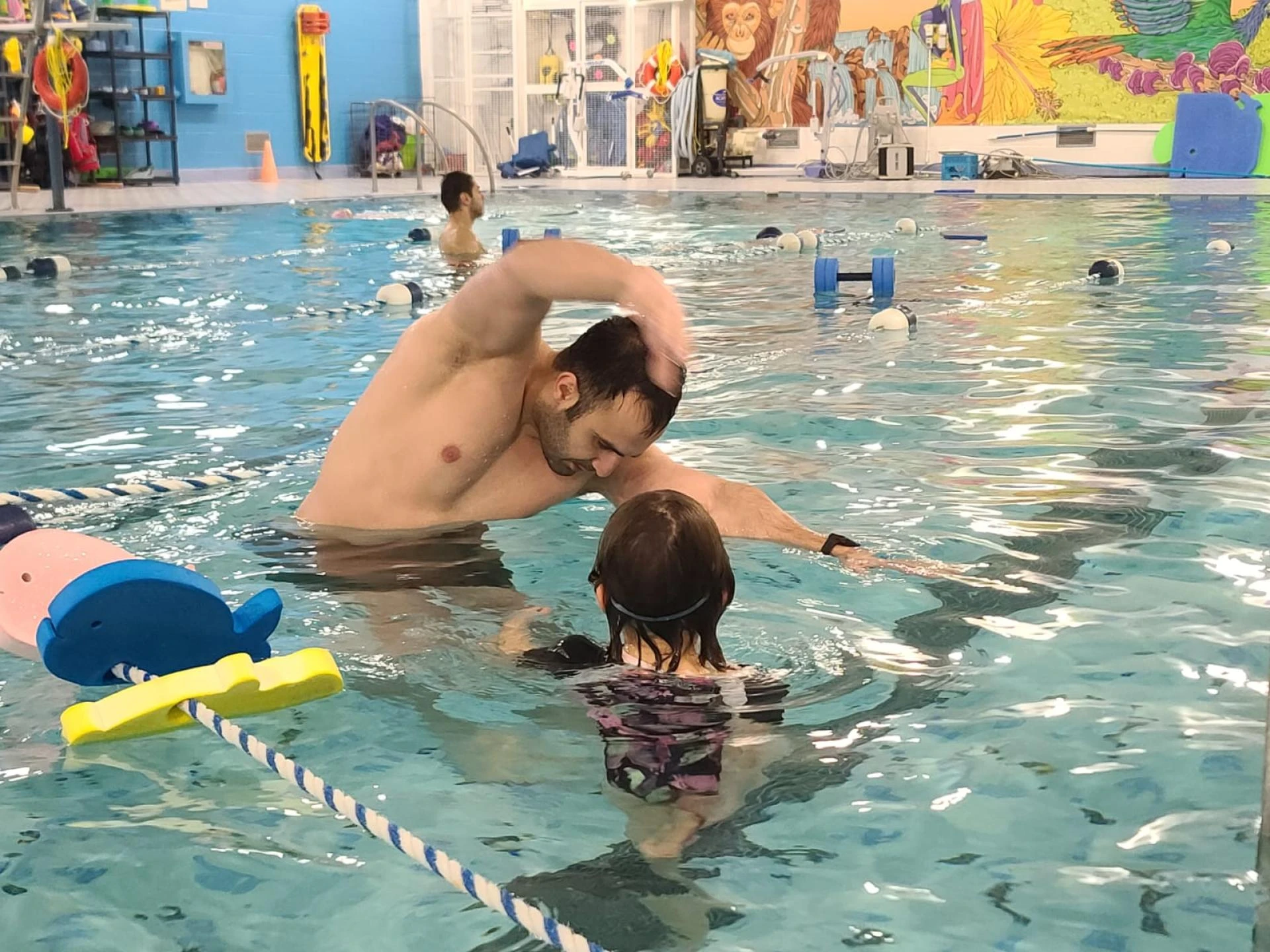
Learning to swim is not about memorizing techniques it’s about understanding how your body works in water. For beginners, swimming strokes are introduced as tools that build comfort, safety, and control step by step. When taught correctly, each stroke helps reduce fear, improve coordination, and create a sense of ease in the pool.
This article explains how beginners typically learn swimming strokes, what each one teaches, and why a gradual approach leads to stronger, more confident swimmers.
Why Beginners Learn Multiple Strokes Early On
Many people assume beginners should focus on just one stroke, but early swim education usually introduces elements of several strokes at once. Each stroke develops a different essential skill.
Swimming strokes help beginners learn how to:
- Balance their body in water
- Coordinate arms, legs, and breathing
- Manage effort and avoid panic
- Recover and rest safely
- Adapt to different swimming situations
By mixing skills from multiple strokes, beginners gain versatility and confidence faster.
Freestyle: Understanding Forward Motion
Freestyle introduces beginners to purposeful movement through the water. Instead of swimming long distances right away, beginners focus on learning how each part of the body contributes to motion.
Early freestyle skills often include:
- Flutter kicking while holding the wall or a float
- Practicing arm pulls separately
- Learning to turn the head to breathe
- Short, controlled swims
Freestyle teaches beginners how to stay streamlined and move efficiently without fighting the water.
Backstroke: Learning to Trust the Water
Backstroke is a powerful confidence-builder. Swimming on the back shows beginners that water can support their body even without constant effort.
This stroke helps beginners:
- Relax their breathing
- Improve posture and balance
- Overcome fear of floating
- Stay calm when resting
Backstroke also reinforces an important safety lesson: if you ever feel tired, turning onto your back can help you recover.
Breaststroke: Coordination at a Comfortable Pace
Breaststroke introduces a slower rhythm that encourages control rather than speed. The movements are easy to recognize and repeat, making this stroke ideal for beginners who prefer a steady pace.
Breaststroke helps swimmers learn:
- How timing affects movement
- How to use leg strength efficiently
- How to glide between movements
- How to breathe without rushing
This stroke often becomes a favorite for beginners because it feels controlled and predictable.
Elementary Backstroke: A Rest-and-Rescue Skill
Elementary backstroke is one of the most practical strokes beginners can learn. It’s designed to be calm, efficient, and restorative.
Through this stroke, beginners learn how to:
- Float comfortably for extended periods
- Breathe naturally without effort
- Move slowly while conserving energy
- Stay safe in unexpected situations
Elementary backstroke reinforces the idea that swimming is not just about moving forward—it’s also about knowing how to pause and recover.
How Stroke Skills Are Built Over Time
Beginner swimmers are not expected to master full strokes immediately. Instead, lessons focus on building blocks that gradually come together.
A common progression looks like this:
- Water entry and comfort
- Floating on front and back
- Basic kicking patterns
- Simple arm movements
- Coordinating breathing
- Combining skills into recognizable strokes
This layered approach prevents frustration and helps swimmers feel successful at every stage.
Why Structured Swim Lessons Matter
Learning swimming strokes with professional guidance helps beginners avoid bad habits and unnecessary fear. Structured lessons focus on technique, safety, and emotional comfort—not competition.
Programs such as those offered by Felix Swim Schools are designed to meet swimmers at their current ability level and guide them forward at a pace that feels achievable.
You can learn more about beginner-focused swim programs at https://felixswimschools.com/
Final Thoughts
Swimming strokes for beginners are about building trust—with the water and with yourself. By learning freestyle, backstroke, breaststroke, and elementary backstroke gradually, beginners develop balance, breathing control, and confidence that lasts a lifetime.
With the right instruction and patience, swimming becomes less intimidating and more empowering—one calm stroke at a time.