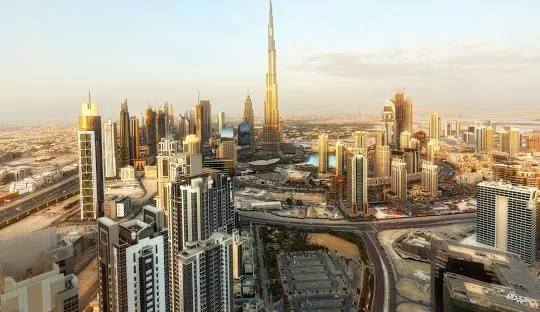
The UAE is often associated with towering skyscrapers, luxury developments and ambitious infrastructure. Yet beyond its impressive skyline, another story is unfolding — one centred on protecting natural resources, reducing waste and creating a healthier environment for generations to come.
Sustainability has gradually become an important part of the country's development strategy. From large-scale renewable energy projects to community recycling initiatives, the UAE is making considerable efforts to balance economic growth with environmental responsibility.
A Changing Approach to Environmental Protection
Living in a country with a hot climate, limited freshwater resources and a fragile desert ecosystem presents its own set of challenges. The UAE understands that development cannot continue indefinitely without careful management of natural resources.
Government initiatives are encouraging residents, businesses and industries to reconsider how they consume energy, use water and manage everyday waste. Solar energy installations, green building standards and improved public transport systems are among the measures helping shape a more environmentally conscious society.
The objective is not simply to reduce pollution. It is to create communities where modern living and environmental preservation can exist side by side.
Renewable Energy Is Changing the Landscape
One of the most noticeable developments in the UAE's sustainability journey is its investment in clean energy.
Solar power has gained significant attention, particularly in Dubai and Abu Dhabi. Projects such as the Mohammed bin Rashid Al Maktoum Solar Park demonstrate how the country is using its abundant sunshine to generate electricity with fewer carbon emissions.
These investments are gradually changing the energy landscape. They also create opportunities for innovation, employment and the development of technologies that can support a lower-carbon economy.
Waste Management Deserves Greater Attention
Energy production is only one part of the sustainability equation. What happens to unwanted household belongings, construction materials and commercial waste matters just as much.
Everyday disposal habits can have a considerable environmental impact. Furniture, electrical appliances, packaging and other discarded materials often contain components that could be reused, repaired or recycled rather than sent directly to landfills.
This is where responsible furniture disposal becomes particularly important. Instead of treating an unwanted sofa, wardrobe, dining table or bed as useless rubbish, residents can explore donation, refurbishment and recycling opportunities.
Professional waste collection services can also help ensure that unwanted household items are handled appropriately. Such practices reduce unnecessary dumping, recover useful materials and encourage a more thoughtful approach to consumption.
Water Conservation Is Not Optional
Freshwater is a valuable resource in the UAE. Although desalination provides much of the country's drinking water, producing it requires substantial energy and infrastructure.
Small changes in household behaviour can make a difference. Fixing leaking taps, installing water-efficient fittings, avoiding unnecessary washing and maintaining irrigation systems can help reduce daily consumption.
Businesses and property developers also have a role to play. Water recycling, efficient cooling systems and carefully designed landscaping can limit pressure on existing resources.
Sustainable Communities Begin With Residents
Environmental responsibility should not remain limited to government policies or large corporate projects. It becomes meaningful when ordinary people participate.
Residents can contribute by separating recyclable materials, avoiding single-use plastics, donating usable belongings and choosing products with less packaging.
Community clean-up campaigns, tree-planting activities and neighbourhood recycling programmes provide practical ways to get involved.
A discarded household item may seem insignificant, but thousands of similar items can create a considerable waste-management challenge. Responsible decisions at home can therefore contribute to wider environmental improvements.
Green Buildings and Smarter Urban Development
The UAE's expanding cities are also creating opportunities for more sustainable construction.
Modern buildings increasingly incorporate energy-efficient lighting, improved insulation, intelligent cooling systems and water-saving technologies. These features can reduce operational costs while lowering environmental pressure.
Urban planning is evolving as well. Parks, pedestrian-friendly areas, public transport connections and green spaces are important elements of healthier neighbourhoods.
The long-term value of a development should not be measured only by its appearance or commercial potential. Its environmental footprint deserves equal consideration.
The Road Ahead
The UAE has made meaningful progress in renewable energy, environmental planning and waste reduction. However, sustainability remains an ongoing responsibility rather than a destination that can be reached through a handful of major projects.
Businesses must reconsider their production and disposal practices. Residents need to make informed purchasing decisions. Property developers should prioritise resource efficiency, while waste management companies must encourage reuse and responsible recycling.
The next stage of progress will depend on how effectively these efforts become part of everyday life.
Final Thoughts
A greener UAE will not be built through impressive projects alone. It will also take shape through ordinary decisions made in homes, offices, shopping centres and residential communities.
Using less water, saving electricity, recycling materials and disposing of unwanted belongings responsibly are practical steps that anyone can take.
The country's vision for a sustainable future is ambitious, but its success will ultimately depend on collective participation. Protecting the environment is not merely an investment in tomorrow; it is a responsibility that begins with the choices we make today.