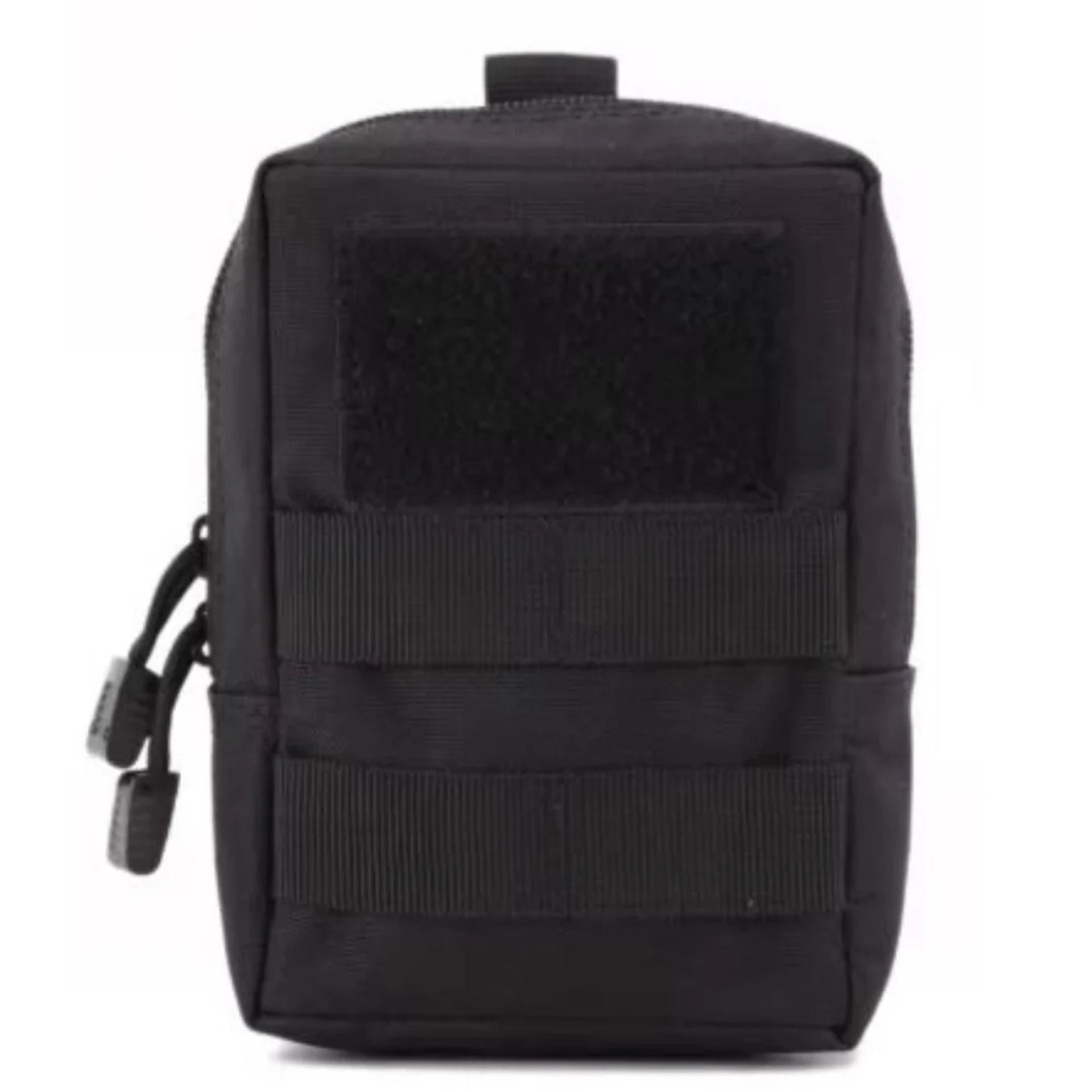
When venturing into the wilderness or preparing for emergencies, having the right equipment can make all the difference. One of the most important pieces of gear you can carry is a survival gear backpack. This specialized backpack is designed to hold everything you might need to survive in the wild, whether you’re camping, hiking, or in an emergency situation. In this blog, we’ll discuss why a survival gear backpack is essential, what should be included in it, and how to choose the right one for your needs.
Why You Need a Survival Gear Backpack
A survival gear backpack is not just any regular backpack. It is a carefully designed pack that provides all the essential tools and supplies you may need in an emergency situation. Unlike regular backpacks that are simply used for carrying personal items, survival backpacks are built for ruggedness and functionality.
- Emergency Preparedness: Whether you’re caught in a natural disaster, lost in the wilderness, or facing a medical emergency, having a survival gear backpack can be life-saving. It provides immediate access to critical supplies that can help stabilize your situation while waiting for help.
- Versatility: A survival gear backpack is useful for outdoor enthusiasts, travelers, campers, hunters, and anyone who spends time in areas where access to help may be limited. It’s designed to carry all the essential gear for survival, from food and water to fire-starting tools and first aid kits.
- Compact and Efficient Storage: Survival backpacks are designed with multiple compartments to organize your gear efficiently. This allows you to store everything you need in a way that is easy to access, especially in emergencies when time is of the essence.
Key Components of a Survival Gear Backpack
A well-equipped survival gear backpack should contain several essential items that could make the difference between life and death in an emergency. Here are some key components you should include in your survival gear backpack:
- Water Filtration System:
Water is one of the most critical resources you need to survive, and a survival gear backpack should always include a reliable water filtration system. Whether it’s a portable water filter or purification tablets, having the ability to safely drink water from streams or lakes is crucial for long-term survival.
- First Aid Kit:
Accidents happen, and having a first aid kit in your survival gear backpack can help you treat minor injuries and stabilize more serious wounds. Your kit should include bandages, antiseptic wipes, gauze, pain relievers, and any personal medications you might need. It’s also a good idea to include a tourniquet or hemostatic gauze for severe bleeding situations.
- Fire-Starting Tools:
- Fire is essential for warmth, cooking, and signaling for help. Your survival gear backpack should include fire-starting tools such as waterproof matches, a fire starter, or a magnesium fire starter. These tools should be reliable and easy to use, even in wet conditions.
- Food Supplies:
- While the human body can survive for days without food, it’s important to carry some emergency rations in your survival gear backpack. These can include freeze-dried meals, high-calorie energy bars, or packaged food that has a long shelf life. Make sure to also pack a portable stove or cooking equipment for when you need to prepare meals.
- Shelter and Warmth:
- In many survival situations, staying warm and protected from the elements is critical. Your survival gear backpack should include a compact shelter, such as a lightweight tent or tarp, as well as a sleeping bag or emergency bivvy bag. A space blanket can also provide extra insulation in cold conditions.
- Multi-Tool or Knife:
- A multi-tool or sturdy survival knife is a must-have in your survival gear backpack. These tools serve many purposes, from cutting wood and preparing food to building shelter and self-defense. Look for tools with a range of functions, such as a knife, pliers, screwdriver, and can opener.
- Navigation Tools:
- In emergency situations, you need to know where you are and how to find your way. Include a compass, map, and GPS device in your survival gear backpack. These tools will help you navigate unfamiliar terrain and find your way to safety.
- Signaling Devices:
- If you’re lost or in distress, signaling for help is essential. Your survival gear backpack should include a whistle, a signal mirror, and perhaps a small flashlight with extra batteries. These devices can attract attention from search and rescue teams or other survivors.
How to Choose the Right Survival Gear Backpack
Selecting the right survival gear backpack can be a daunting task, but it’s essential to choose one that fits your needs and will hold up in tough conditions. Here are some factors to consider when choosing your backpack:
- Size and Capacity:
- Choose a survival gear backpack that fits the type of activities you’ll be doing. For day hikes or short trips, a smaller pack (20-40 liters) may suffice. For extended trips or emergency preparedness, you’ll need a larger pack (50-75 liters) that can hold more gear and supplies.
- Durability:
- Your backpack will be exposed to the elements, so it’s important to choose one made from durable, weather-resistant material. Look for backpacks made from high-quality nylon, canvas, or similar rugged materials that can withstand wear and tear.
- Comfort:
- If you plan on carrying your survival gear backpack for extended periods, make sure it’s comfortable. Look for backpacks with padded shoulder straps, a padded waist belt, and proper weight distribution to reduce strain on your back.
- Organization and Access:
- A well-organized backpack can make a significant difference in an emergency. Choose a pack that has multiple compartments and easy access to your gear. Look for features like side pockets, front-loading compartments, and MOLLE webbing for attaching additional gear.
Maintaining Your Survival Gear Backpack
Maintaining your survival gear backpack is crucial to ensure that it’s always ready when you need it. Regularly check the contents to ensure that all items are in working order, food and water are not expired, and batteries are charged. Replenish any used or damaged items, and periodically refresh the supplies as needed.