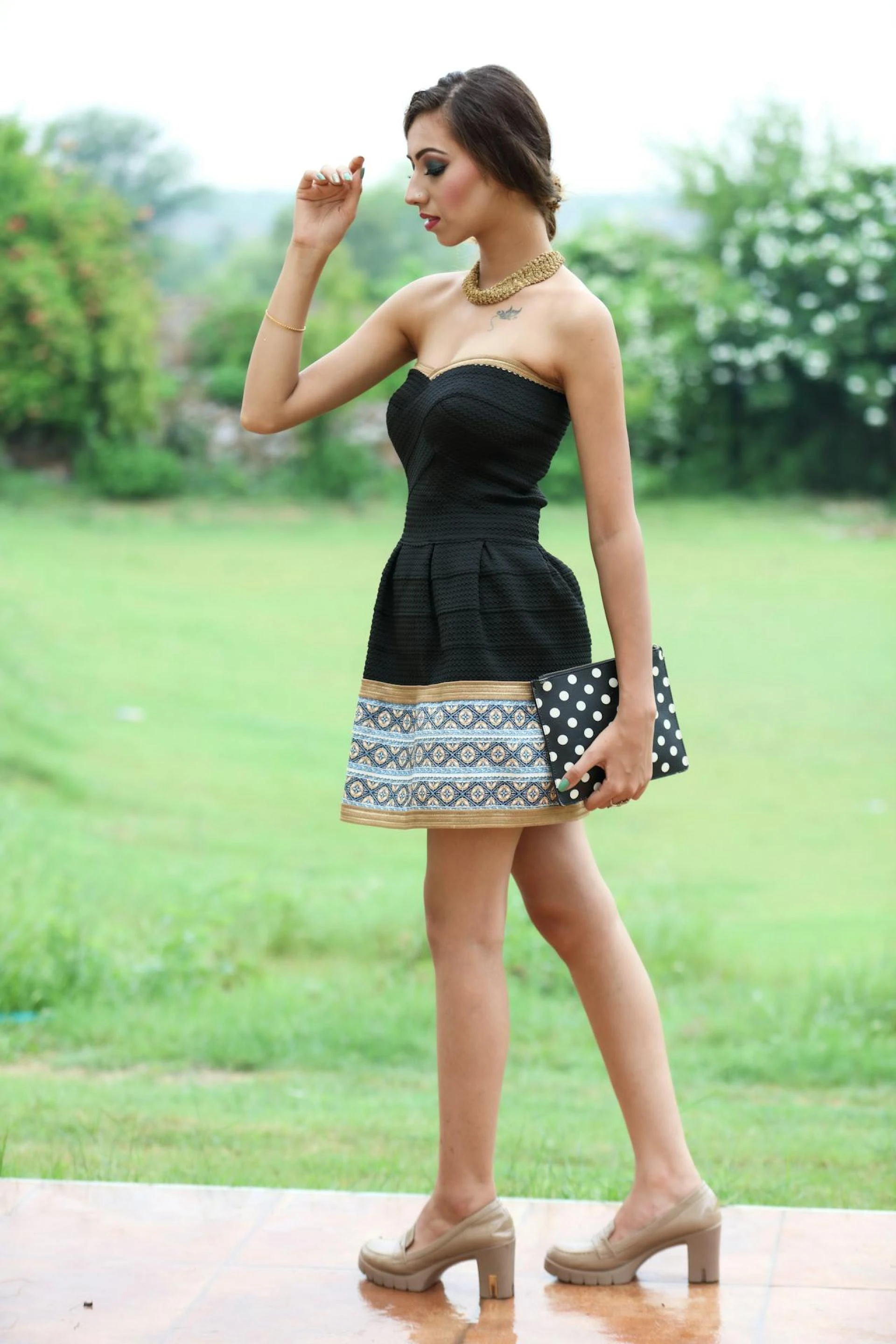
Summer is one of the most profitable seasons for boutique retailers. As temperatures rise, customers actively seek lightweight, comfortable, and stylish outfits for daily wear, vacations, and seasonal events. Among all warm-weather categories, wholesale summer dresses stand out as a consistent top performer due to their versatility, high turnover, and broad customer appeal.
For boutique owners, success in summer selling depends on smart sourcing, trend awareness, and reliable quality. This guide explores how boutiques can strategically leverage wholesale summer dresses to drive seasonal revenue while supporting long-term business growth.
Why Summer Dresses Are a Core Boutique Category
Summer dresses are an essential part of most women’s wardrobes. Customers purchase them not just for special occasions, but for everyday use—making them one of the most frequently worn apparel items during warmer months.
Wholesale summer dresses benefit boutiques by:
- Generating high-volume sales
- Encouraging repeat purchases
- Appealing to a wide range of age groups and lifestyles
Because customers often buy multiple summer dresses in a single season, this category supports both increased foot traffic and higher order frequency.
Fabric Choices That Drive Customer Satisfaction
Fabric quality is especially important in summer apparel. Customers expect dresses that feel breathable, lightweight, and comfortable throughout the day.
High-performing wholesale summer dresses typically feature:
- Cotton and cotton blends for breathability
- Rayon and viscose for softness and drape
- Chiffon and lightweight woven fabrics for airflow
Boutiques that prioritize comfort-focused fabrics reduce return rates and improve customer satisfaction, strengthening brand trust.
Popular Summer Dress Styles for Boutiques
While trends shift each year, certain summer dress styles consistently perform well at retail. Successful boutiques balance trend-inspired designs with proven silhouettes.
Strong-selling wholesale summer dresses include:
- Maxi and midi dresses for everyday wear and vacations
- A-line and relaxed-fit silhouettes
- Wrap dresses and adjustable waist styles
These designs flatter a variety of body types and allow customers to style dresses for casual or slightly elevated occasions.
Color Palettes and Prints That Sell in Summer
Color and print selection play a major role in summer dress performance. Customers gravitate toward shades and patterns that reflect the season’s light and energy.
Boutique-friendly color trends include:
- Soft neutrals and pastels
- Bright seasonal hues
- Floral, botanical, and abstract prints
Wholesale summer dresses that offer a mix of solids and prints allow boutiques to cater to both minimalist and statement-style shoppers.
Fit Consistency and Inclusive Sizing
Comfortable fit is a top priority in warm-weather clothing. Dresses that feel restrictive or poorly sized rarely perform well during summer.
Boutiques should source wholesale summer dresses that provide:
- Consistent sizing across styles
- Inclusive size ranges, including plus sizes
- Flexible design elements such as elastic waists or adjustable straps
Reliable fit increases customer confidence and encourages repeat business.
Pricing Strategy and Inventory Turnover
Summer dresses typically fall into accessible price ranges, which supports higher unit sales. From a business perspective, this means faster inventory turnover and steady cash flow.
Wholesale summer dresses allow boutiques to:
- Maintain competitive retail pricing
- Refresh collections frequently
- Respond quickly to emerging trends
Efficient turnover reduces the risk of end-of-season markdowns and improves overall profitability.
Inventory Planning for Seasonal Demand
Summer demand can vary based on region, climate, and consumer behavior. Strategic inventory planning helps boutiques capture peak sales while minimizing excess stock.
Best practices include:
- Buying core styles early in the season
- Reordering top-selling designs mid-season
- Limiting overbuying on short-lived trends
Wholesale summer dresses with broad appeal provide flexibility if demand shifts unexpectedly.
Building Brand Reputation Through Quality
Although summer dresses are often casual, quality still matters. Customers expect garments that hold their shape, wash well, and remain comfortable over time.
High-quality wholesale summer dresses support brand reputation by:
- Reducing customer complaints and returns
- Encouraging positive reviews and referrals
- Reinforcing consistent product standards
Boutiques known for dependable quality build stronger customer loyalty season after season.
Supplier Reliability and EEAT Alignment
EEAT principles—Experience, Expertise, Authoritativeness, and Trust—extend beyond content to sourcing decisions. Reliable wholesale partners are critical to maintaining consistent quality and availability.
Strong wholesale summer dress suppliers offer:
- Transparent fabric and sizing information
- Consistent production quality
- Dependable restock and fulfillment timelines
These factors help boutiques scale operations with confidence.
Multi-Channel Selling Opportunities
Summer dresses perform exceptionally well across in-store and online channels. Their visual appeal and everyday wearability make them ideal for digital merchandising.
Wholesale summer dresses support:
- Social media styling content
- E-commerce lookbooks and seasonal edits
- In-store summer collections and displays
Multi-channel flexibility allows boutiques to maximize exposure and reach customers wherever they shop.
Final Thoughts
Wholesale summer dresses are a foundational category for boutique retailers. Their comfort, versatility, and strong consumer demand make them a reliable driver of seasonal revenue and customer engagement.
By focusing on fabric quality, fit consistency, thoughtful style selection, and trusted wholesale partners, boutiques can build summer dress collections that perform year after year—supporting both immediate sales and long-term brand growth.