What Are High Arches and Why Do They Hurt?
High arches — medically known as cavus foot — occur when the arch of your foot sits unusually elevated off the ground. Unlike flat feet, which spread weight across the whole sole, high arches concentrate pressure on the heel and ball of the foot. Over time, this uneven distribution causes pain, instability, and a cascade of issues from the ankles all the way up to the lower back.
Common symptoms include sharp heel pain in the morning, metatarsal soreness, ankle sprains, and general foot fatigue after standing for even short periods. Athletes, people who stand for long hours, and those with a genetic predisposition are especially vulnerable.
Studies suggest that nearly 20% of the population has some degree of high arches — yet most never address it with proper footwear support, leading to chronic, avoidable pain.
How Insoles Help With High Arches
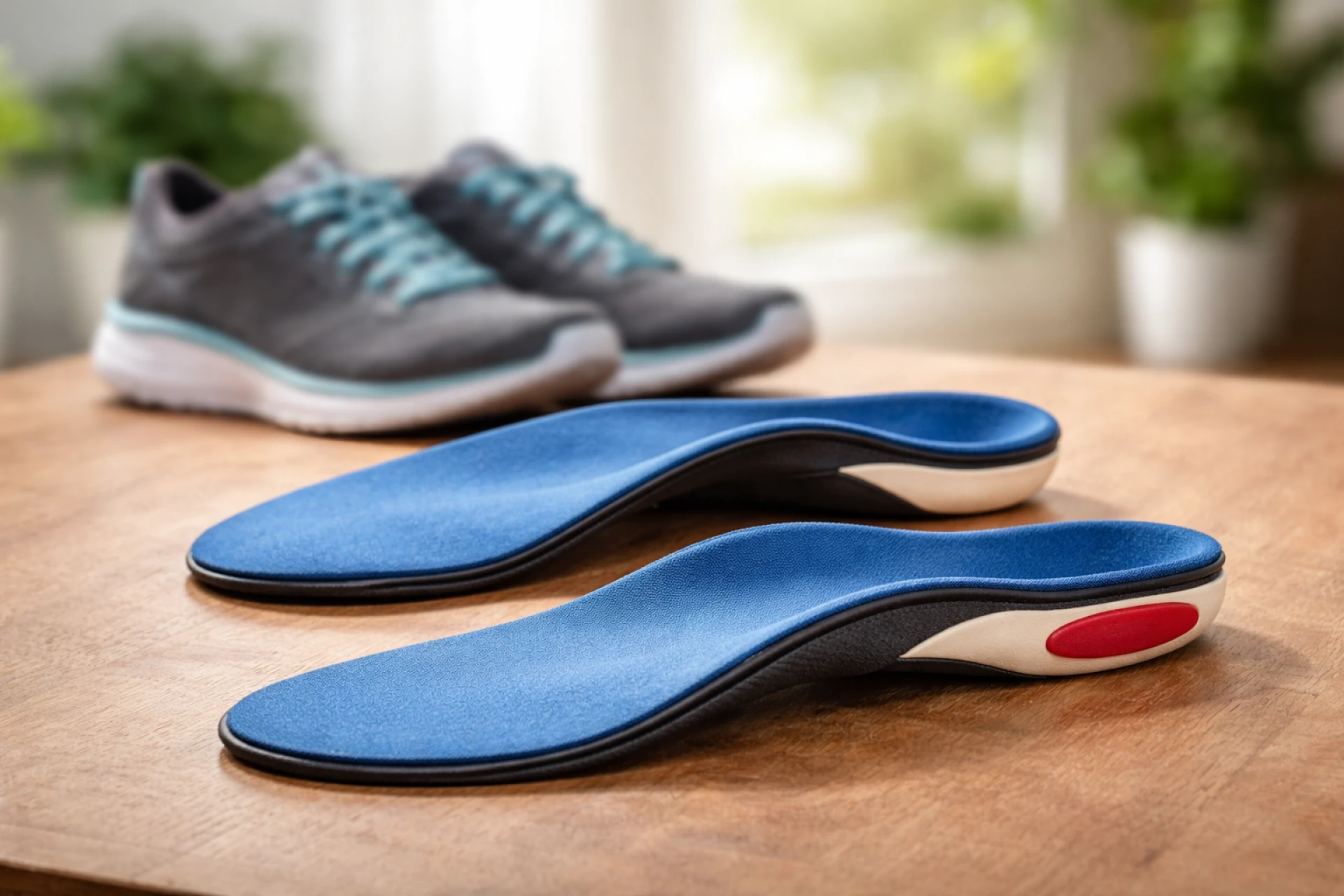
The right insole doesn't just add cushioning — it redistributes pressure, supports the arch structure, and corrects your gait. Think of it as a custom foundation built under your foot. A well-designed insole fills the gap beneath your elevated arch, reducing strain on pressure points and absorbing shock that your foot would otherwise transfer directly into bone and soft tissue.
When shopping for the best insoles for high arches, there are three core features to prioritize: a deep heel cup, firm arch support (not just soft padding), and a metatarsal pad to offload the ball of the foot.
Top 5 Best Insoles for High Arches in 2026
Here's a quick breakdown of top-rated options trusted by podiatrists and everyday users alike:
- Superfeet GREEN — The industry gold standard. Features a rigid shell with a deep heel cup. Best for walking and casual shoes.
- Powerstep Pinnacle — Semi-rigid arch support with dual-layer cushioning. A great all-day comfort pick for most foot types.
- Dr. Scholl's ARCH — Budget-friendly and widely available. Reinforced arch support designed for mild-to-moderate high arches.
- Spenco Total Support — Medical-grade support with a contoured shape. Ideal for sports and active lifestyles.
- Tread Labs Stride — Lifetime guaranteed shell with four arch height options — perfect for dialing in the exact fit your foot needs.
What to Look for When Buying Insoles for High Arches
Not every insole marketed as "arch support" is suited for high arches. Here's what separates a great pick from a wasted purchase:
- Firm, not just soft: Soft foam alone won't support a high arch. Look for a semi-rigid or rigid base layer beneath the cushioning.
- Deep heel cup: This cradles the heel, reducing lateral movement and impact with each step.
- Correct arch height: Some brands like Tread Labs offer multiple arch heights. Match the insole height to your actual arch for best results.
- Metatarsal support: A small raised pad behind the ball of the foot helps redistribute pressure away from the metatarsal heads.
- Shoe compatibility: Running insoles differ from dress shoe insoles — always check the intended footwear category before buying.
When to See a Podiatrist
While the best insoles for high arches can provide significant relief for most people, they are not a substitute for medical care in severe cases. If you're experiencing persistent numbness, balance issues, or the pain doesn't improve after 4 to 6 weeks of using quality insoles, schedule a visit with a podiatrist. Custom orthotics — though more expensive — may be the right next step for structural foot conditions that over-the-counter insoles can't fully address.
Final Thoughts
High arches don't have to mean a life of discomfort. With the right pair of insoles, you can restore proper alignment, reduce pain, and get back on your feet — literally. Start with one of the five picks above, focus on firm arch support and heel cupping, and give your feet the foundation they've always needed. Your entire body, from your ankles to your lower back, will thank you.