Offshore industries depend on advanced technologies to maintain reliable communication, electrical power transmission, and data exchange in challenging underwater environments. From offshore oil and gas platforms to renewable energy installations and subsea research facilities, every system requires dependable connections to operate safely and efficiently.
Underwater equipment faces constant exposure to high pressure, saltwater corrosion, temperature variations, and mechanical stress. These conditions make selecting appropriate connection technologies essential for long-term performance.
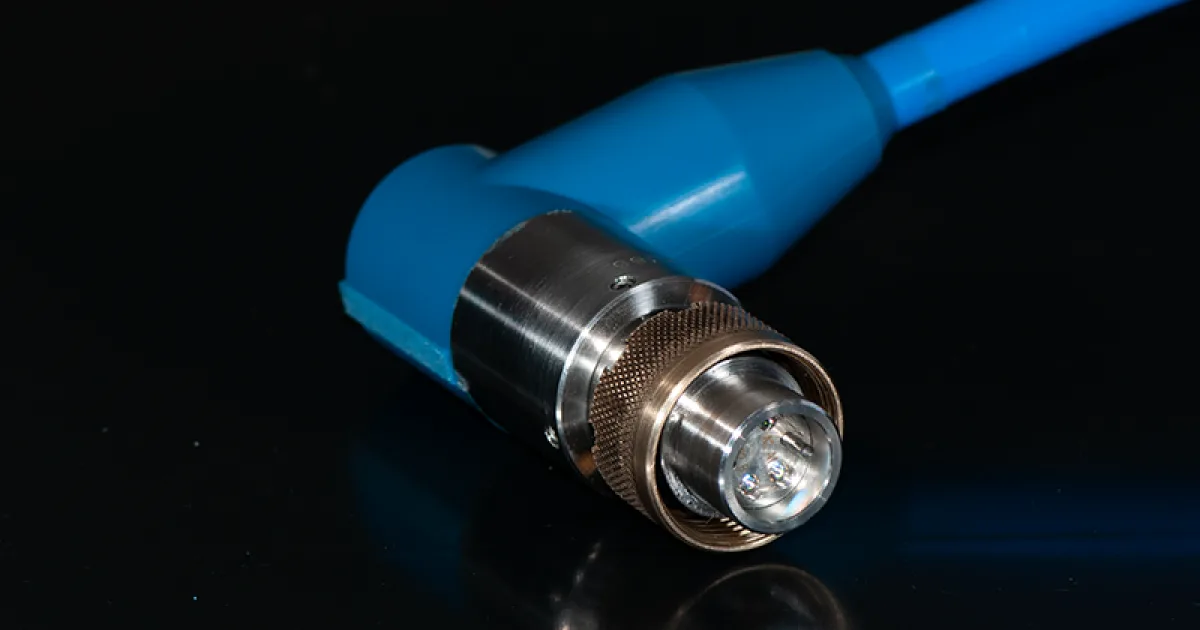
A subsea electrical fiber connector plays an important role in supporting modern offshore infrastructure by combining dependable connectivity with advanced communication capabilities. These solutions help connect underwater equipment, sensors, control systems, and monitoring devices.
As offshore operations become increasingly automated and technologically advanced, reliable subsea connectivity continues to be a major requirement for industrial success.
Understanding Subsea Electrical and Fiber Connector Technology
Subsea connector technology is specifically developed to establish secure connections between electrical and optical systems operating underwater. Unlike standard industrial connectors, subsea solutions must withstand extreme environmental conditions while maintaining consistent performance.
Electrical connectors transmit power and electrical signals between underwater components, while fiber optic connectors support high-speed data communication. Both technologies are important for modern offshore infrastructure because many subsea installations require simultaneous power delivery and reliable information exchange.
Subsea electrical fiber connectors are commonly integrated into underwater control modules, remotely operated vehicles, subsea sensors, distribution systems, and communication networks. Their specialized construction helps protect sensitive internal components from water penetration, pressure damage, and environmental deterioration.
The Importance of Reliable Offshore Connectivity
Offshore operations often involve equipment installed hundreds or thousands of meters below sea level. Accessing underwater systems for maintenance can be expensive, complicated, and time-consuming. Consequently, reliable connectivity is essential for reducing operational interruptions and maintaining productivity.
A dependable connection helps ensure that electrical power reaches critical equipment and communication signals travel accurately between underwater devices and surface control stations.
Poor connectivity can create several operational problems, including:
- Unexpected equipment interruptions.
- Loss of communication between control systems.
- Reduced monitoring accuracy.
- Increased maintenance requirements.
- Higher operational and replacement costs.
- Potential safety risks during offshore activities.
High-quality subsea connection systems help minimize these challenges by providing dependable performance in demanding marine environments.
Key Features of Advanced Subsea Connector Solutions
Modern underwater connectors incorporate several specialized features that support reliable operation. Their designs focus on environmental protection, mechanical strength, electrical performance, and long-term durability.
1. High-Pressure Resistance
Water pressure increases significantly with depth, placing considerable stress on underwater equipment. Subsea connectors must therefore be engineered to maintain their structural integrity under demanding pressure conditions.
Specialized housings, sealing systems, and carefully designed internal components help prevent water ingress. These protective features allow connectors to operate reliably in deepwater installations where conventional connection technologies may fail.
2. Corrosion Resistance
Saltwater is highly corrosive and can gradually damage unsuitable materials. Offshore connector systems frequently use corrosion-resistant metals, protective coatings, and durable polymer materials to improve their resistance to marine conditions.
Material selection is particularly important for equipment expected to remain underwater for extended periods. Proper corrosion protection helps maintain connection quality and reduces the need for frequent replacement.
3. Reliable Electrical Performance
Electrical connections must maintain stable power transmission and signal integrity. Poor contact quality, insulation failure, or environmental damage can affect system performance.
Advanced connector designs incorporate suitable insulation materials, reliable contact arrangements, and protective sealing technologies. These features support consistent electrical operation across different offshore applications.
4. High-Speed Fiber Optic Communication
Fiber optic technology is increasingly important in offshore industries because modern installations generate substantial amounts of operational data.
Fiber connections support high-speed communication, allowing sensors, monitoring equipment, and control systems to exchange information efficiently. They also offer advantages such as low signal loss and resistance to electromagnetic interference.
This makes fiber optic connectivity valuable in complex offshore environments where reliable communication is essential.
Applications Across Offshore Industries
Subsea connection technologies support numerous industries that depend on underwater infrastructure. Their versatility makes them suitable for different operational environments and technical requirements.
Offshore Oil and Gas Operations
Oil and gas companies use underwater production systems, control modules, monitoring equipment, and distribution networks to manage offshore resources.
Reliable electrical and fiber connections help transmit power and information between subsea equipment and offshore platforms. They also support real-time monitoring, enabling operators to observe equipment conditions and respond to operational changes.
Offshore Renewable Energy
Offshore wind farms and other marine renewable energy projects require dependable underwater electrical infrastructure. Subsea cables connect offshore installations with electrical networks, while communication systems support monitoring and operational control.
Advanced connector technologies help maintain connections between underwater equipment and other components within renewable energy installations.
Subsea Research and Exploration
Marine research organizations use underwater sensors, cameras, scientific instruments, and remotely operated vehicles to explore ocean environments.
Reliable electrical and optical connections allow researchers to collect data, transmit images, and control specialized equipment. These capabilities are important for deep-sea exploration and long-term environmental monitoring.
Telecommunications Infrastructure
Underwater communication networks rely heavily on fiber optic technology to transmit large volumes of information across long distances.
Specialized optical connection systems support communication infrastructure by maintaining dependable connections in challenging underwater conditions.
Benefits of Investing in Quality Subsea Connections
Choosing appropriate underwater connector solutions provides several advantages for offshore operators.
Improved operational reliability: Durable connection systems help maintain consistent communication and electrical performance, reducing unexpected interruptions.
Lower maintenance expenses: Reliable materials and protective designs can extend equipment service life, reducing the frequency of underwater maintenance operations.
Better data transmission: Fiber optic technology supports fast and accurate information exchange between underwater equipment and surface facilities.
Enhanced operational safety: Dependable connections help monitoring and control systems function correctly, supporting safer offshore activities.
Long-term cost efficiency: Although specialized subsea equipment may require a higher initial investment, reliable performance can help reduce replacement and maintenance expenses over time.
Why Choose Hysfsubsea for Subsea Connectivity Solutions?
Hysfsubsea focuses on subsea connectivity technologies designed to support demanding underwater and offshore applications. Reliable electrical and fiber optic connection solutions are important for industries that require consistent power transmission, accurate communication, and long-term equipment performance.
By emphasizing specialized subsea engineering, product reliability, and application-specific requirements, Hysfsubsea supports the needs of offshore operators, marine technology providers, and industrial projects. Selecting suitable connection products from an experienced subsea technology provider can help businesses develop dependable underwater systems and maintain efficient offshore operations.
Conclusion
Reliable underwater connectivity is essential for the performance and safety of modern offshore systems. From oil and gas production to renewable energy, telecommunications, and marine research, specialized connectors help maintain electrical power and communication between critical underwater components.
Investing in durable materials, pressure-resistant designs, and advanced fiber optic technology can improve operational efficiency while reducing maintenance challenges. As offshore industries continue to adopt more advanced technologies, dependable subsea connection solutions will play an increasingly important role in supporting long-term industrial development.
Choosing suitable products and working with knowledgeable providers such as Hysfsubsea can help organizations build reliable and efficient offshore infrastructure.