Sinus allergies are more than just a seasonal inconvenience. For many people, especially in cities like Hyderabad, they become a recurring problem that affects daily comfort, sleep, and productivity. Constant nasal blockage, headaches, and irritation can make even simple tasks feel exhausting. This FAQ-style guide explains allergic sinusitis in a clear and practical way, helping you understand the condition and the most effective treatment approaches available.
What are sinus allergies and allergic sinusitis?
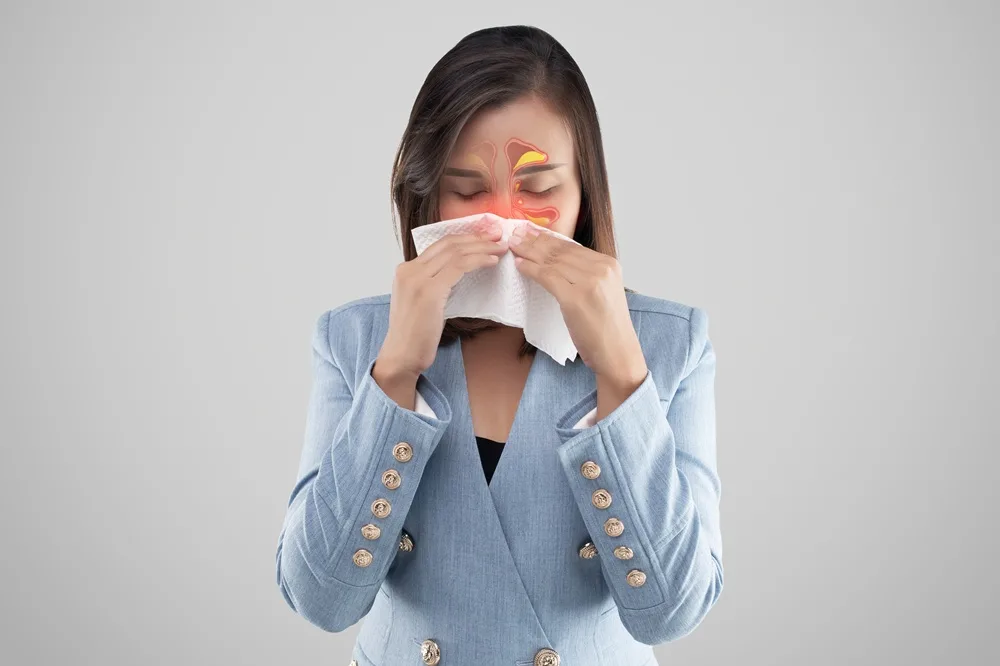
Sinus allergies, commonly referred to as allergic sinusitis, occur when the sinus lining becomes inflamed due to allergens. When your immune system reacts to substances like dust or pollen, it triggers swelling inside the nasal passages. This swelling blocks normal mucus drainage, leading to pressure, congestion, and discomfort.
Unlike temporary sinus infections, allergic sinusitis tends to be ongoing or recurrent, especially when exposure to allergens continues.
Why do sinus allergies feel worse in urban environments?
In a fast-growing city environment, exposure to airborne irritants is higher. Air pollution, dust from construction, and changing weather conditions all play a role in aggravating sinus allergies. Indoor spaces are not always safe either, as dust mites, mold, and poor ventilation can silently trigger symptoms.
This combination of outdoor and indoor triggers makes allergic sinusitis more persistent, especially for people who are already sensitive to allergens.
How do you know if your sinus problem is allergy-related?
Many people confuse allergic sinusitis with a regular cold or infection. The difference often lies in the pattern and persistence of symptoms. Allergy-related sinus issues usually involve clear nasal discharge, frequent sneezing, and recurring episodes rather than a one-time illness.
You may also notice that symptoms worsen in specific environments or seasons, such as during dusty conditions or weather changes. Unlike infections, allergic sinusitis rarely causes fever but can still cause significant discomfort.
What happens inside the body during allergic sinusitis?
When exposed to allergens, the immune system releases chemicals like histamines. These chemicals cause inflammation in the sinus lining, leading to swelling and blockage. As a result, mucus gets trapped instead of draining normally.
This buildup creates pressure in the face, particularly around the forehead, cheeks, and eyes. Over time, repeated inflammation can make the condition chronic if not properly managed.
What are the most effective treatments for allergic sinusitis?
Treatment focuses on reducing inflammation, controlling allergic reactions, and improving sinus drainage. Instead of quick fixes, the goal is long-term relief.
Medications play a central role in treatment. Antihistamines help control the body’s allergic response, while nasal sprays reduce inflammation directly within the sinus passages. Saline rinses are often recommended to gently clear mucus and allergens, improving breathing comfort.
In cases where symptoms persist, treatment may need to be more structured and personalized. At Respire Airway Clinics, care is focused on identifying triggers and creating a plan that works for each individual, rather than relying on temporary symptom relief.
Can lifestyle changes really make a difference?
Yes, lifestyle adjustments are a key part of managing allergic sinusitis. Reducing exposure to allergens can significantly improve symptoms over time. This may include maintaining clean indoor spaces, improving ventilation, and being mindful of outdoor exposure during high pollution or pollen periods.
Hydration also plays an important role, as it helps keep mucus thin and easier to clear. Simple practices like steam inhalation can provide relief by opening up blocked sinuses and easing pressure.
While these changes may seem small, they contribute greatly to long-term control when combined with medical treatment.
Why do symptoms keep coming back even after treatment?
Recurring symptoms often mean that the root cause has not been fully addressed. Allergic sinusitis is closely linked to environmental exposure and immune sensitivity. If triggers remain present, inflammation can return even after temporary relief.
Another reason could be inconsistent treatment. Many people stop medication once they feel better, which allows symptoms to gradually return. Long-term management requires a consistent approach guided by a healthcare professional.
When should you seek medical help for sinus allergies?
If your symptoms persist beyond a short duration or keep returning frequently, it is important to seek medical advice. Difficulty in breathing, severe facial pressure, or disrupted sleep are signs that the condition needs proper evaluation.
Early consultation helps prevent complications and reduces the risk of chronic sinus issues. It also ensures that you are not mistaking allergic sinusitis for another underlying condition.
Can allergic sinusitis be completely cured?
Allergic sinusitis is not always completely curable, especially if exposure to allergens continues. However, it can be effectively controlled with the right treatment plan. Many people experience long periods without symptoms when their condition is properly managed.
The focus is on improving quality of life by reducing frequency, intensity, and discomfort of symptoms.
What is the long-term outlook for people with sinus allergies?
With proper care, most individuals can manage allergic sinusitis successfully and lead a comfortable life. The key is consistency in treatment, awareness of triggers, and timely medical guidance.
Specialized care from centers like Respire Airway Clinics ensures a structured approach that goes beyond symptom relief, focusing on lasting control and respiratory wellness.
Struggling with sinus allergies can feel frustrating, especially when symptoms keep returning. However, understanding the condition and following the right treatment approach can make a significant difference.
Instead of relying on temporary solutions, focus on long-term management and expert care. With the right support, you can reduce discomfort, breathe easier, and regain control over your daily life.