
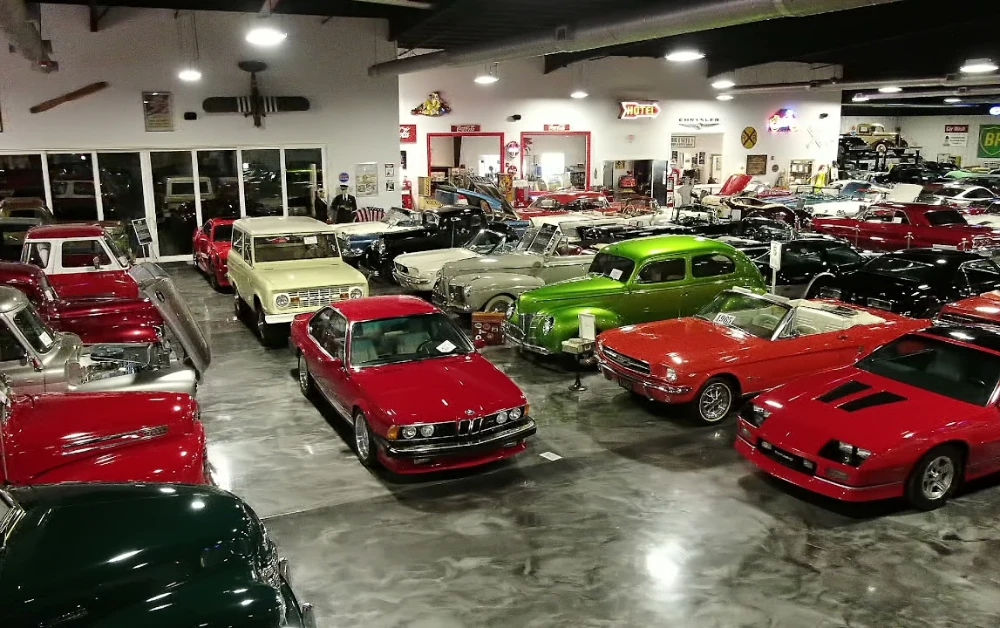
Owning a vintage vehicle is more than just having a mode of transportation—it’s about preserving a piece of history. Classic cars are admired for their timeless design and craftsmanship, but maintaining them requires special attention, especially when it comes to Classic Car Glass. Over the years, exposure to weather, road debris, and aging materials can lead to a variety of glass-related problems that affect both safety and appearance.
Unlike modern vehicles, older cars were built using different manufacturing techniques and materials. Because of this, even small issues such as scratches, cracks, or worn seals can quickly become bigger concerns if they are ignored. Understanding these problems and knowing how to address them can help keep your vintage vehicle looking authentic while ensuring a safe and comfortable driving experience.
Why Glass Problems Are Common in Vintage Vehicles
Aging Materials and Long-Term Wear
Classic vehicles have often spent decades on the road or in storage. During this time, the glass and surrounding components naturally weaken. Rubber trims and adhesives used in older vehicles lose their flexibility as they age, which can cause windows to loosen or develop gaps.
This gradual wear is a normal part of a car’s lifecycle, but it becomes more noticeable in vintage models. Without proper maintenance, small issues may turn into major repairs that require professional attention.
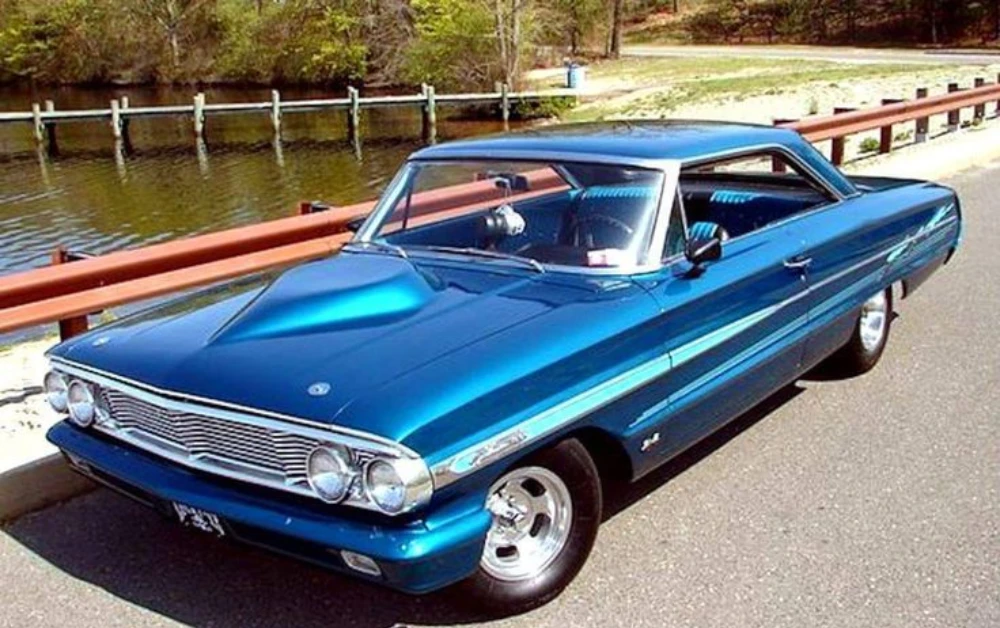
Effects of Weather and Environment
Environmental exposure also plays a significant role in glass deterioration. Years of sunlight, temperature fluctuations, rain, and dust slowly damage both the surface and the supporting seals.
Over time, these conditions can cause discoloration, minor cracks, and reduced clarity. Keeping a classic vehicle protected from extreme weather conditions can significantly extend the life of its glass components.
Scratches That Affect Visibility
How Surface Scratches Develop
Scratches are one of the most common problems seen in older vehicles. Small particles such as dust, sand, or debris can create fine marks on the surface when the windshield wipers move across the glass.
Although these scratches may seem minor at first, they can accumulate over time. Eventually, they begin to affect visibility, especially when sunlight or headlights reflect off the damaged surface.
Repairing Minor Scratches
Light scratches can often be reduced through professional polishing techniques. Specialized polishing compounds are used to smooth out the glass surface and restore clarity without damaging the original material.
In cases where scratches are deeper, a professional assessment may determine whether repair or replacement is the best option. Regular cleaning and proper wiper maintenance can also help prevent future damage.
Cracks That Spread Over Time
How Small Chips Turn into Large Cracks
Even a small chip can develop into a long crack if it is left untreated. Vibrations from driving and changes in temperature place stress on the glass, causing the damage to spread across the surface.
Once a crack begins to expand, it becomes harder to repair. In some cases, it may also compromise the structural strength of the windshield, making it a potential safety risk.
Early Repairs Can Prevent Bigger Problems
Addressing cracks early can often prevent the need for a full replacement. Repair methods such as resin injection seal the damaged area and stop the crack from growing further.
However, if the crack becomes too large or interferes with the driver’s view, replacing the glass becomes the safest and most effective solution.
Worn or Damaged Window Seals
Signs of Failing Rubber Seals
Rubber seals around windows are designed to keep water, dust, and wind out of the vehicle. In classic cars, these seals often become brittle and shrink after years of use.
Drivers may notice water leaking during rain, unusual wind noise, or loose window movement. These are clear signs that the seals are no longer functioning properly.
Restoring the Window Fit
Replacing old seals with new, durable materials can restore the proper fit of the windows. This not only improves comfort but also prevents moisture from entering the vehicle’s interior.
Properly installed seals help protect the vehicle’s frame from rust and extend the lifespan of surrounding components.
Cloudy or Foggy Glass Surfaces
Why Glass Becomes Cloudy
Cloudy or hazy glass is another issue commonly found in vintage vehicles. Years of exposure to sunlight, pollution, and moisture can create a dull layer on the surface.
This haze can reduce visibility and make driving less comfortable, particularly during nighttime or in bright sunlight.
Restoring Clear Visibility
Professional cleaning and polishing techniques can often remove surface haze and restore transparency. These restoration methods carefully remove buildup without harming the glass.
Regular maintenance, gentle cleaning products, and proper storage can help prevent the glass from becoming cloudy again in the future.
Also Read :- What Everyone Gets Wrong About Car Glass Tinting (And What Works)
Conclusion
Maintaining the glass in a vintage vehicle requires careful attention and timely repairs. Issues such as scratches, cracks, worn seals, and cloudy surfaces are common in older cars, but they can be resolved with proper care and professional assistance.
If you want to restore clarity and ensure your classic vehicle remains safe and visually appealing, expert help is essential. Professional services like Mr Glass Qatar can provide the right solutions to keep your vintage car looking its best while preserving its original charm.