
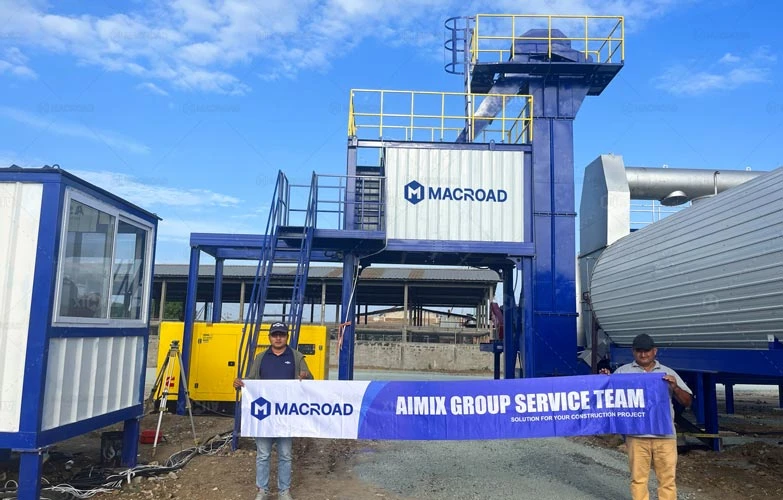
A profound transformation is sweeping across Latin America's road construction sector. Fueled by growing public awareness, urban air quality concerns, and alignment with global climate goals, governments from Mexico to Chile are enacting stricter environmental regulations. These policies are directly targeting industrial emissions, placing the traditional asphalt plant(planta de aglomerado) under unprecedented scrutiny. For contractors and plant owners, the era of operating with only basic dust collection is rapidly closing. The new imperative is a strategic shift toward low-emission technologies. This transition is not merely a compliance exercise; it is becoming a critical factor for winning public tenders, maintaining social licenses to operate near communities, and ensuring long-term business viability. The drive toward cleaner production is reshaping investment decisions, operational protocols, and the very design of asphalt mixing facilities across the continent.
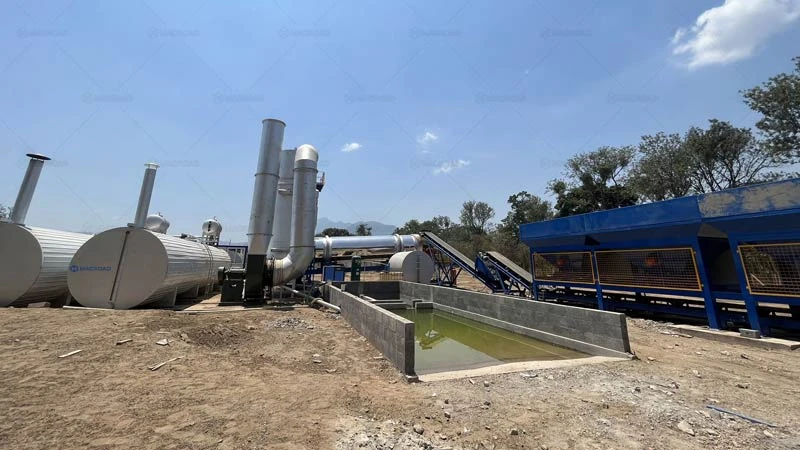
The Regulatory Pressure: Understanding the New Compliance Landscape
The first step for any operator is to clearly understand the evolving regulatory demands. These are no longer vague guidelines but specific, enforceable standards.
Targeting Particulate Matter and Visible Emissions
The most immediate focus of new regulations is on particulate matter (PM), including the fine dust visible as blue smoke—often a sign of overheating recycled asphalt pavement (RAP). Modern laws set strict limits on opacity and PM concentration in exhaust gases. This makes the traditional, often undersized, baghouse filter obsolete for many applications. Authorities are conducting more frequent stack tests and using drone surveillance to monitor compliance, leading to substantial fines and even temporary shutdowns for non-conforming plants. For a stationary asphalt plant in a peri-urban area, upgrading to a high-efficiency baghouse with advanced filter media is no longer optional; it is the baseline for continued operation.
Controlling Volatile Organic Compounds and Odors
Beyond dust, regulators are increasingly targeting gaseous emissions. Volatile Organic Compounds (VOCs) released from bitumen at high temperatures contribute to ground-level ozone and create the characteristic "asphalt smell" that generates community complaints. New regulations in major cities and environmentally sensitive areas are beginning to mandate VOC abatement systems. Furthermore, regulations governing noise levels and light pollution are forcing plants to consider enclosures and strategic site planning. This holistic regulatory approach means that upgrading an asphalt plant must now address a multi-faceted environmental footprint, not just one pollutant.
Key Low-Emission Technologies for Modernization
To meet these stringent standards, a suite of proven technologies is available. The optimal combination depends on the plant's location, age, and primary fuel source.
Advanced Filtration and Dust Management Systems
The heart of any emission control upgrade is the primary dust collector. The industry standard has shifted toward pulse-jet baghouse filters with high cloth ratios (e.g., 7:1 or higher). These systems offer superior filtration efficiency, often capturing over 99.9% of particulate matter. For plants incorporating high rates of RAP—where the risk of blue smoke is high—specialized baghouse designs with stable inflow and proper mixing chambers are critical to prevent combustible dust incidents and ensure complete capture. Additionally, fugitive dust control at aggregate stockpiles through automated misting systems and covered conveyors is becoming a standard part of a compliant site plan.
Burner Modernization and Alternative Fuels
The burner is a major source of nitrogen oxides (NOx) and carbon emissions. Modernizing this component offers significant gains. New low-NOx burner designs utilize techniques like staged combustion or flue gas recirculation to dramatically reduce NOx formation. An even more impactful strategy is fuel switching. The adoption of cleaner-burning fuels, such as natural gas or liquefied petroleum gas (LPG), is accelerating. While infrastructure for these fuels is still expanding in Latin America, their use virtually eliminates sulfur dioxide (SO2) emissions and significantly cuts PM and NOx compared to traditional heavy fuel oil or asphalt-based fuels. For remote projects, the use of biodiesel blends is also emerging as a viable, lower-carbon alternative.
Bitumen Fume and VOC Suppression
Addressing gaseous emissions requires targeted solutions. For VOC and fume control, two main technologies are leading the way:
- Oxidation Systems: These systems, such as Regenerative Thermal Oxidizers (RTOs), capture exhaust gases from the mixing drum and silo and incinerate them at high temperatures, destroying over 99% of VOCs and odors. While an investment, they are becoming a requirement for plants in densely populated areas.
- Fume Suppression Systems: A more focused approach involves capturing fumes directly at key emission points—the mixing unit and the truck loading chute—using hoods and ducts. The captured fumes are then typically routed back into the burner as combustion air, where the VOCs are destroyed. This is a highly efficient method for tackling the most noticeable odor sources.
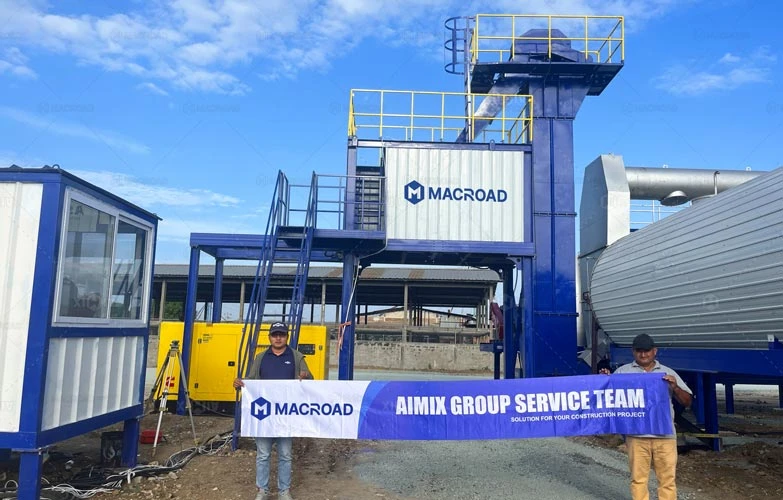
The Economic Calculus: Cost, Value, and Strategic Positioning
Adopting low-emission technology involves significant capital expenditure, a factor that directly influences the mobile asphalt plant price and the upgrade budget for fixed facilities. However, a purely cost-centric view is shortsighted.
Analyzing the Total Cost of Ownership
While the upfront mobile asphalt plant price(planta de asfalto movil precio) for a model equipped with a Tier-4 final engine, advanced baghouse, and fume management will be higher, the total cost of ownership often tells a different story. Cleaner-burning, efficient plants consume less fuel. Advanced baghouses with automatic cleaning reduce maintenance downtime. Most importantly, these investments prevent costly regulatory fines, project delays due to shutdowns, and reputational damage that can lose future bids. They transform an asphalt plant from a potential liability into a compliant, community-friendly asset.
Gaining Competitive Advantage in the Market
In today's market, environmental performance is a powerful differentiator. Public and private clients are increasingly awarding points in tender evaluations for sustainability practices. A contractor who can demonstrate a low-emission asphalt plant has a decisive edge over competitors relying on aging, polluting equipment. Furthermore, this capability is essential for working on projects financed by international development banks, which have their own strict environmental and social safeguards. Strategically, modernizing emissions technology is not an expense but an investment in market access and long-term competitiveness.
In conclusion, the wave of stricter environmental regulations in Latin America is an irreversible force, fundamentally redirecting the industry's technological trajectory. For asphalt plant operators, proactive adaptation is the only viable path. By strategically investing in advanced filtration, cleaner burners, and fume management—whether for a new facility or a comprehensive retrofit—contractors can turn regulatory compliance into a core strength. This transition ensures not only the right to operate but also positions forward-thinking companies as leaders in building the sustainable infrastructure that Latin America demands for its future.