In construction, managing the logistics of workers, equipment, and materials is a critical aspect of ensuring that projects run smoothly and efficiently. One of the most challenging yet vital tasks in this process is dispatch management. Traditionally, dispatching resources has been a manual, time-consuming task that often leads to inefficiencies, mistakes, and delays.
However, with the advent of modern technology, the best software for construction dispatch management has revolutionized how construction companies handle their dispatching operations. These software solutions not only optimize the dispatch process but also improve coordination, increase productivity, and reduce costs.
In this article, we’ll explore how construction dispatch management is streamlining construction operations, ensuring projects are completed on time, and helping companies stay competitive in a rapidly evolving industry.
The Importance of Effective Dispatch Management in Construction
Dispatch management involves coordinating the movement of people, vehicles, equipment, and materials to the right place at the right time. In construction, this process is crucial to ensuring that the necessary resources are available when needed. Poor dispatch management can lead to delays, miscommunication, and resource underutilization, all of which contribute to increased project costs.
Studies show that inefficient dispatching is one of the leading causes of construction project delays, accounting for up to 30% of project-related inefficiencies. For example, miscommunication about equipment delivery or delays in worker transportation can cause downtime on the job site, which in turn pushes back project timelines and inflates costs.
Construction dispatch management comes into play. These solutions automate and optimize dispatch operations, providing construction companies with real-time insights into their resources and workflows. This not only ensures that the right assets are in the right place at the right time but also enhances the overall efficiency of the project.
How Software Solutions Optimize Construction Dispatch Management
1. Real-Time Resource Tracking
One of the most valuable features of the best software for construction dispatch management is real-time resource tracking. With GPS-enabled features, these tools provide a live feed of equipment, vehicles, and workers on the job site. This allows project managers to track where resources are at any given moment and adjust their schedules accordingly.
For instance, if a piece of equipment is needed at a different location on the job site, the dispatch software can instantly notify the team, ensuring that the equipment is moved without unnecessary delays. Similarly, if a worker is running late or delayed on a task, the system can send alerts to the relevant team members so that the project schedule can be adjusted.
Real-time tracking helps eliminate the guesswork and inefficiencies often associated with manual dispatching, allowing construction companies to optimize their workforce and equipment usage. This level of visibility also aids in reducing downtime and improving project timelines.
2. Automated Scheduling and Dispatching
With the construction dispatch management, scheduling and dispatching become automated processes. The software can generate optimized schedules based on available resources, work requirements, and timelines. This automation ensures that resources are dispatched promptly, minimizing the likelihood of human error and reducing the amount of time spent manually arranging logistics.
For example, when a team needs to be assigned to a specific task or equipment needs to be delivered to a site, the software can automatically allocate the right resources based on factors such as availability, skill set, and proximity to the task. This reduces the complexity of managing multiple dispatch requests and ensures that all resources are used efficiently.
Automated scheduling and dispatching not only save time but also ensure that no resources are overlooked or underutilized. As a result, construction projects can proceed more smoothly, with fewer delays caused by logistical issues.
3. Optimized Communication and Collaboration
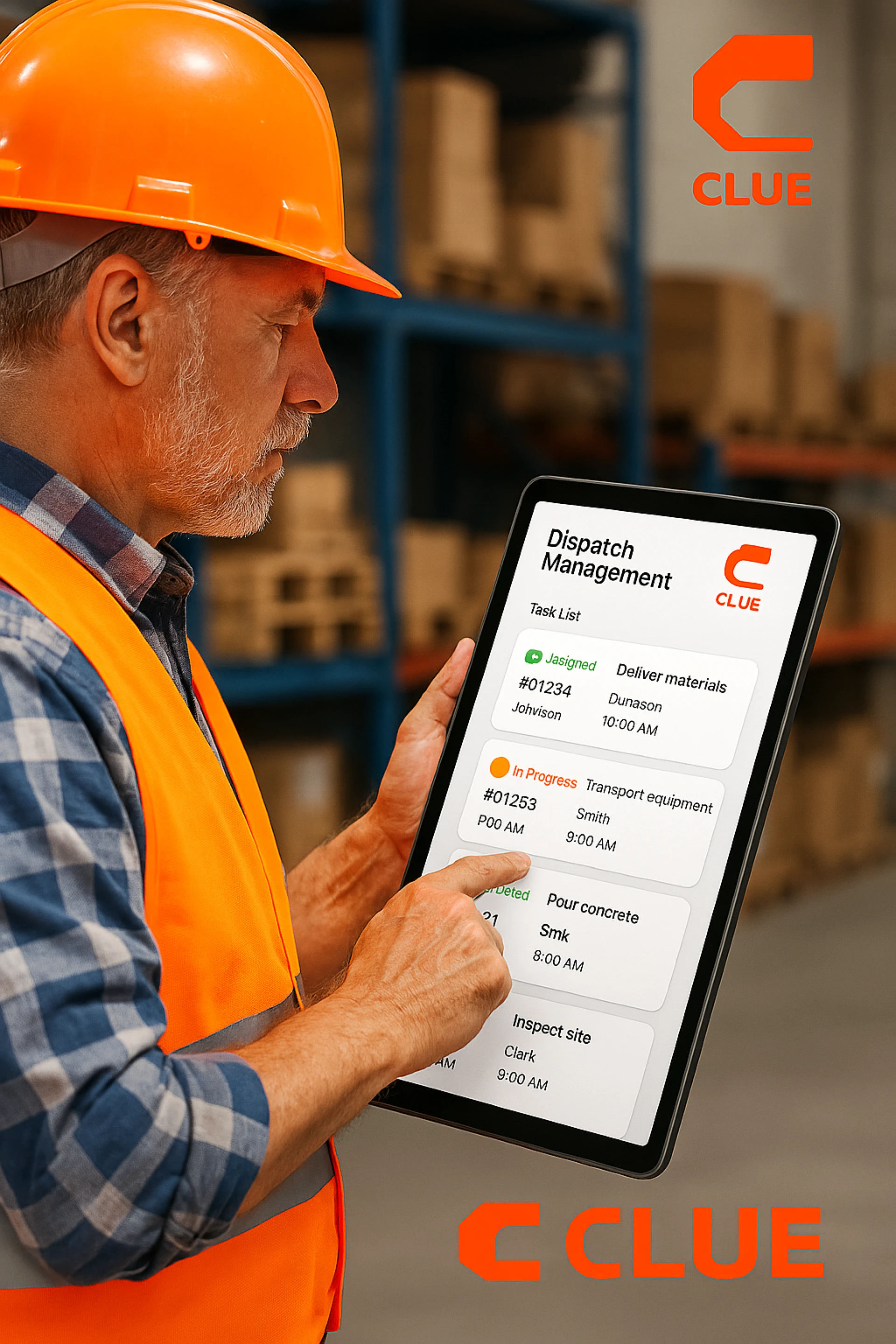
Effective communication is essential to ensuring that dispatch management runs smoothly. Software for construction dispatch management improves communication by offering a centralized platform where all relevant parties—such as project managers, dispatchers, equipment operators, and workers—can collaborate in real time.
Through the software, managers can send instant updates or changes in schedules to workers, reducing the likelihood of confusion or miscommunication on the job site. For example, if there’s a last-minute change in the task order or location, the software can instantly notify all team members involved, ensuring everyone is on the same page.
This level of communication also reduces the amount of back-and-forth required between teams, allowing for faster decision-making and quicker responses to changing conditions.
4. Integration with Other Construction Management Tools
Construction projects often involve multiple software systems to manage various aspects such as budgeting, scheduling, and resource management. The software for construction dispatch management integrates seamlessly with other construction management tools, providing a cohesive platform where all aspects of the project can be managed in one place.
For example, by syncing dispatch data with project management tools, managers can ensure that all scheduling and logistics align with the overall project timeline and budget. This integration helps streamline workflows, reduce duplication of work, and ensure that resources are allocated efficiently across all departments.
Moreover, integrating dispatch management with financial systems allows managers to track project costs in real-time, enabling them to keep expenses under control while maintaining an efficient dispatch operation.
5. Data-Driven Insights and Reporting
Data analytics and reporting are key benefits of modern dispatch management software. These tools provide detailed reports on resource usage, dispatch efficiency, and overall project progress. Managers can track key metrics such as delivery times, fuel usage, and worker productivity to identify areas of improvement and optimize workflows.
For instance, if a certain vehicle is consistently late in delivering equipment or if fuel consumption is higher than expected, the software can flag these issues, allowing managers to take corrective action. These data-driven insights help construction companies make informed decisions about their dispatch operations, leading to improved efficiency and cost savings.
The Benefits of Streamlining Dispatch Management
1. Increased Efficiency and Reduced Downtime
By automating scheduling, tracking, and communication, best software for construction dispatch management eliminates much of the inefficiency associated with manual dispatching. This leads to fewer delays, faster decision-making, and more efficient use of resources, ultimately resulting in reduced downtime and increased productivity on the job site.
2. Cost Savings
Streamlining dispatch management helps construction companies reduce operational costs. By optimizing resource allocation, minimizing idle time, and preventing unnecessary delays, companies can save on fuel, labor, and equipment costs. Additionally, data-driven insights help companies identify areas where they can further cut costs, whether by reducing fuel consumption or improving equipment maintenance schedules.
3. Improved Project Timelines
With better coordination, communication, and scheduling software for construction dispatch management ensures that construction projects are completed on time. By having the right resources in place when needed, companies can keep their projects on track and avoid delays that could push them past deadlines or inflate costs.
Conclusion
In conclusion, the best software for construction dispatch management is a game-changer for the construction industry. By automating scheduling, improving communication, and providing real-time insights, these software solutions streamline dispatch operations, reduce inefficiencies, and ensure that projects run smoothly.
As construction companies continue to adopt digital tools, integrating dispatch management software will be essential for staying competitive and maintaining optimal project performance. If you’re looking to optimize your construction dispatch operations, it’s time to explore the best software solutions available. Streamlining your dispatch process will not only save time and money but will also help ensure the timely and successful completion of your construction projects.